- Defining the reckless antihero
- Iconic classics with flawed protagonists
- Modern takes on antihero narratives
- Breaking the rules: themes and risks
- Audience appeal of moral complexity
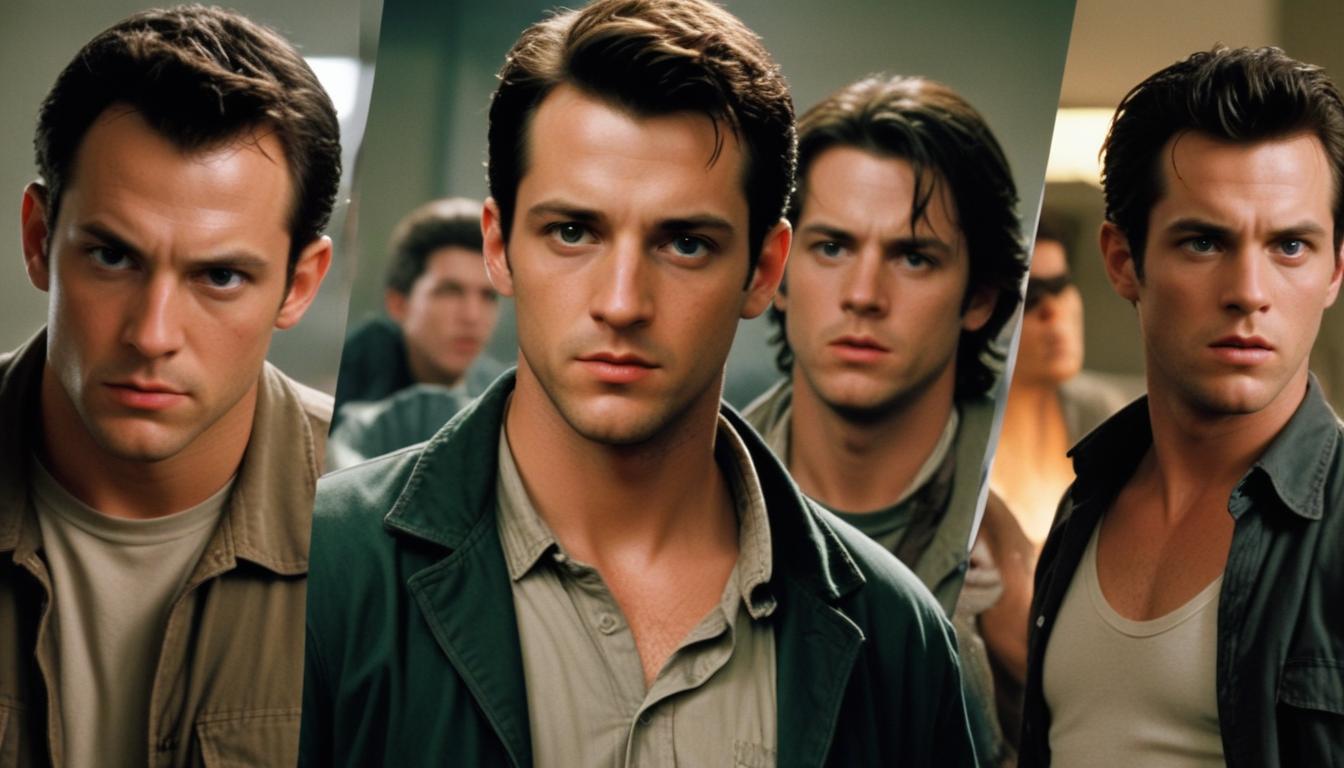
At the heart of what makes a reckless antihero so compelling lies their dual nature—a combination of charisma, moral ambiguity, and self-destructive tendencies. Unlike traditional heroes who act as paragons of virtue, antiheroes challenge conventional ideals by operating in the gray areas of morality. These flawed characters often struggle with internal conflicts, which shape their decisions and actions. Their recklessness, whether driven by desperation, vengeance, or a stubborn refusal to play by societal rules, is both their greatest allure and their primary downfall. Antihero films thrive on this tension, creating protagonists whose questionable choices often raise deeper questions about ethics, justice, and personal responsibility.
One defining feature of these complex protagonists is their departure from traditional hero narratives. Instead of seeking glory or selfless redemption, they tend to navigate their worlds with a mix of cynicism, impulsiveness, and raw survival instincts. They may bend or outright break the moral code, justifying their actions with personal pain, ideals, or a distorted sense of justice. Yet, even as they veer into morally compromising terrain, they remain profoundly human—embodying the complexities and contradictions that underpin real-world decisions.
Recklessness, as a trait, often acts as the catalyst for these characters’ journeys. They take risks others would avoid, whether through acts of violence, deception, or rebellion against authority. However, this is rarely without consequence. Their impulsive choices frequently lead to devastating costs—both to themselves and those around them. In antihero films, these repercussions are part of what makes them relatable, highlighting their imperfections and humanity. In essence, they reflect our own struggles to reconcile personal desires with a larger sense of right and wrong.
Iconic classics with flawed protagonists
When it comes to timeless cinematic masterpieces, some of the most memorable stories owe their depth and intrigue to flawed characters who operate on the fringes of morality. Antihero films in the classic era set the stage for audiences to embrace protagonists who were far from perfect yet magnetically compelling. Take, for instance, the enduring legacy of Michael Corleone in “The Godfather.” Beginning as a man with seemingly noble intentions rooted in family loyalty, Michael’s transformation into a cold, calculating crime boss reveals the destructive capability of ambition and power. His complexity lies in his internal struggle—holding onto his humanity while succumbing to a world of violence and corruption. The audience is drawn into his journey, watching a once-hopeful figure become consumed by his own choices.
Another prime example comes from the cinematic legend “Taxi Driver,” where Travis Bickle, portrayed by Robert De Niro, epitomizes the reckless antihero archetype. A Vietnam veteran plagued by loneliness and disconnection, Travis’s sense of justice quickly spirals into something darker. His actions, driven by frustration and alienation, blur the line between heroism and pure chaos. Whether rescuing a child or taking violent vengeance, his unpredictable nature forces viewers to question what justice really looks like when filtered through a distorted lens. Travis exemplifies the complex protagonist, teetering dangerously between redemption and destruction.
Similarly, the titular character in “Scarface” takes recklessness to an extreme. Tony Montana’s rise from a determined immigrant to a ruthless drug kingpin showcases a gripping narrative of self-made success turned toxic by unchecked greed and ego. His tumultuous decisions, laced with defiance of societal norms and authority, make him both a figure of admiration and tragedy. The film’s brilliance lies in its ability to root Tony’s downfall in his own character flaws, making his journey as enthralling as it is devastating.
These iconic classics proved that antihero films resonate because they explore the messiness of human existence, free from the constraints of idealized morality. They present central figures who walk the fine line between right and wrong, making choices that reflect their inner turmoil. Whether driven by vengeance, ambition, or survival, these complex protagonists revealed the enduring cinematic appeal of characters who are unapologetically flawed and unapologetically human.
Modern takes on antihero narratives
In recent years, antihero films have evolved, offering fresh takes on flawed characters who refuse to conform to traditional notions of morality or heroism. Modern storytelling has embraced the complexity of these protagonists, blending their reckless impulses with deeper emotional layers that allow audiences to understand—even if not always agree with—their actions. Films like “Joker” (2019) push the boundaries of the genre, giving viewers an intimate look into the unraveling mind of Arthur Fleck. Played masterfully by Joaquin Phoenix, Arthur transforms from a struggling, marginalized man into a symbol of pure anarchy. The film doesn’t ask for sympathy but instead challenges the viewer to reflect on how societal neglect and mental illness can create monsters within a broken system. This exploration of a deeply flawed character roots itself in emotional depth, making the reckless choices of the protagonist feel tragically inevitable rather than gratuitous.
Another standout in modern antihero narratives is Ryan Gosling’s enigmatic turn in “Drive” (2011). The “Driver,” as he’s simply called, leads a double life as a stuntman-turned-getaway driver, balancing his quiet stoicism with bursts of unrelenting violence. Recklessness becomes a defining trait of his character, as he risks everything to protect those he cares about, regardless of the bloodied path it leaves in his wake. What makes him particularly compelling as a complex protagonist is his grace under fire—an unsettling mix of calm determination and brutal tendencies that keep audiences on edge. The moral ambiguity of his choices forces viewers to grapple with their own perceptions of justice and necessity in the face of chaos.
Similarly, Charlize Theron’s Furiosa in “Mad Max: Fury Road” (2015) brought a revolutionary take to the antihero archetype. Fueled by trauma and rage, Furiosa channels her ruthless determination into a desperate pursuit of freedom and redemption. Her reckless defiance against the tyrannical Immortan Joe is not without cost, as it constantly threatens both her life and the lives of those she’s trying to protect. However, it’s her unrelenting humanity, woven into moments of vulnerability and resolve, that cements her status as a modern complex protagonist. The film’s intense pacing and breathtaking visuals mirror the emotional chaos within Furiosa, underscoring how modern antihero films have elevated the genre with innovative storytelling and dynamic characters.
These modern films continue the legacy of antiheroes while adapting them for contemporary audiences. They explore the intricate layers of flawed characters who aren’t defined solely by their impulsiveness or rejection of societal norms. Instead, these protagonists embody a dynamic interplay of pain, anger, and aspiration, creating a moral complexity that resonates deeply in today’s world. By presenting reckless antiheroes who reflect the multifaceted nature of humanity, these films challenge viewers to look beyond clear-cut definitions of right and wrong, offering stories that feel more relevant and compelling than ever.
Breaking the rules: themes and risks
Antihero films thrive on their ability to challenge conventional storytelling by spotlighting flawed characters willing to break the rules in pursuit of their goals. These stories often delve into themes of rebellion, ambition, and the consequences of stepping outside the boundaries of traditional morality. The protagonists in these narratives are not concerned with adhering to societal expectations or conventional codes of heroism. Instead, they operate on their own terms, making choices that can be both thrilling and unsettling. Their willingness to defy rules, whether societal, legal, or moral, sets them apart as complex protagonists capable of captivating audiences with their unpredictability and raw human flaws.
Themes of power, revenge, and moral ambiguity frequently emerge in these narratives, driving the story forward and allowing viewers to consider the fragile line separating righteousness from corruption. The chase for power, as depicted in antihero films like “Scarface,” often starts as a quest for survival or self-improvement but transforms into a cautionary tale about hubris and unrestrained recklessness. Similarly, characters like “The Joker” in “The Dark Knight” or Arthur Fleck in “Joker” explore themes of chaos rippling through a system intent on suppressing individuality or dissent. These stories force the audience to confront uncomfortable truths about how desperate circumstances—or unchecked privilege—can exacerbate a character’s self-destruction while dragging others into their orbit of devastation as well.
Breaking the rules comes with inherent risks, not just for the characters themselves but for the world they inhabit. For flawed characters like Walter White from “Breaking Bad,” the path of rule-breaking ambition leads to a domino effect of destruction as their moral compromises spread and escalate. This pattern of risky decisions often leads to irreversible consequences, compelling audiences to grapple with the ethical cost of rebellion. In some cases, these characters become outright villains without losing their antiheroic essence, as their reckless and self-serving actions continue to resonate with deeply human motivations, such as love, vengeance, or survival. These themes of consequence highlight that no decision exists in a vacuum, and the ripples of an antihero’s defiance can echo far beyond their intentions.
However, the risks of reckless behavior in antihero films also emphasize their humanity. Complex protagonists feel real because they make mistakes that have significant, often catastrophic, fallout. Films like “The Wolf of Wall Street” show the high-octane, morally bankrupt life of Jordan Belfort, whose reckless disregard for legality and ethics in pursuit of wealth results in chaos for himself and everyone tied to him. Though the character engages in exploitation and fraud, his charm and ambition expose the audience to the seductive yet destructive nature of excess. Similarly, in “No Country for Old Men,” Llewelyn Moss’ decision to keep stolen drug money sets off a chain reaction of brutality and death. His choice to break the rules for personal gain illustrates how a single reckless decision can tear through the lives of everyone involved, including innocent bystanders. These stories resonate because they blend tense, risky narratives with introspection on the fragility of human morality.
Risk-taking antiheroes also upend expectations about who deserves redemption—or whether redemption is even possible. They often serve as mirrors for society’s flaws, embodying the extremes of human behavior when confronted with failure, loss, or oppression. Whether they are indulging selfish impulses or fighting an unjust system by questionable means, their journey often asks difficult questions about the systems of power and control they oppose. By stepping into morally questionable territory, these characters force viewers to grapple with their own values and allegiances. Can the ends ever justify the means in stories about complex protagonists who leave chaos in their wake? Are reckless antiheroes rebels worth admiring, or do their actions inevitably condemn them?
The beauty of this narrative approach lies in its refusal to give easy answers. Antihero films embrace the moral gray areas, using their flawed characters to push boundaries and provoke thought. Rules are broken, often spectacularly, and the consequences of these actions remind viewers that nothing in life—fictional or real—is as simple as “good versus evil.” By breaking the rules, these stories become richer and more impactful, leaving an enduring impression long after the credits roll.
Audience appeal of moral complexity
One of the most compelling aspects of antihero films is their ability to tap into the audience’s fascination with flawed characters and complex protagonists. Unlike traditional heroes who personify virtue and steadfast morality, antiheroes reflect the messy, layered contradictions of real human beings. This moral complexity draws viewers in, forcing them to explore uncomfortable truths about themselves and the world around them. At their core, these stories offer a mirror that reveals society’s imperfections, challenging audiences to question their own values and ethical boundaries.
Flawed characters resonate because they make decisions that feel human—sometimes selfish, other times altruistic, but always rooted in emotions that audiences can relate to, whether it’s anger, fear, loneliness, or desperation. Antihero films such as “Nightcrawler” place viewers at the crossroads of fascination and discomfort. Lou Bloom, played by Jake Gyllenhaal, embodies ruthless ambition in his quest for success, operating in moral gray zones that border on sociopathic. His unethical actions, such as staging crime scenes and exploiting tragedy for personal gain, provoke a mixture of revulsion and admiration. The film forces viewers to confront the uncomfortable reality of ambition unchecked by morality, even as Lou’s charisma and cleverness make him disturbingly captivating.
Another layer of this appeal lies in how complex protagonists invite empathy despite their reckless behavior. Take Hugh Jackman’s Wolverine in “Logan,” for example. The character’s rage and cynicism mask a deeply ingrained pain from years of loss and violence. His final journey toward redemption is littered with brutal choices that reflect his inner turmoil. By showcasing his vulnerability and humanity, the film propels viewers to root for a character who is hardly a traditional hero. Wolverine’s moral ambiguity and reckless tendencies make his victories feel earned, while his defeats carry an emotional weight that leaves a lasting impression.
This emotional weight stems from the antihero’s role as a deconstruction of the traditional heroic archetype. Viewers are drawn to their unpredictability and the sense of danger that comes from following a protagonist who doesn’t always make the “right” choice. Films like “American Psycho,” featuring Christian Bale’s Patrick Bateman, unsettle and intrigue in equal measure. While Bateman’s psychopathy and acts of violence place him firmly in the realm of moral bankruptcy, the film critiques the emptiness of consumerism and toxic masculinity through his character. Audiences are left questioning whether society’s values create individuals like Bateman, making the character disturbingly relevant despite his abhorrent actions.
Antihero films often work because they blur the line between empathy and condemnation. They force viewers to reckon with their own moral compass, asking whether it’s possible to root for a character who transgresses ethical boundaries in pursuit of personal goals or vengeance. This dynamic plays out beautifully in “There Will Be Blood,” where Daniel Day-Lewis’s Daniel Plainview epitomizes greed and ambition in their rawest forms. His ruthless rise to power comes at the expense of his humanity and relationships, yet his relentless drive and intelligence create an undeniable allure. Viewers are fascinated by his complexity and his willingness to go further than any traditional hero ever would.
Moreover, antihero films thrive on the tension created when flawed characters reflect societal issues. Protagonists like Arthur Fleck in “Joker” or Walter White in “Breaking Bad” resonate because they emerge from recognizable struggles—poverty, marginalization, broken systems, or unrealized potential. These stories use their protagonists’ descent into chaos as a critique of larger forces, from systemic inequities to the weight of societal pressures. By grounding these characters in reality, these films magnify their moral dilemmas, making their reckless actions feel like a logical response to an unjust world. This complexity is particularly captivating in modern media, where audiences crave nuance and authenticity over simplistic good-versus-evil narratives.
The appeal of flawed characters ultimately stems from their relatability. Antiheroes reflect the part of humanity that stumbles, questions, and grapples with imperfect choices. Their moral complexity challenges audiences to engage on a deeper level, creating a cinematic experience that lingers long after the film ends. Through their reckless defiance and raw humanity, these protagonists claim their place as some of the most enduring and compelling figures in storytelling. Whether they inspire admiration, pity, or even disdain, their journeys remind us of the fragile and intricate nature of morality itself.
