- defining unforgettable villains
- villains who steal the show
- psychological masterminds
- iconic physical threats
- legacy of unforgettable villains
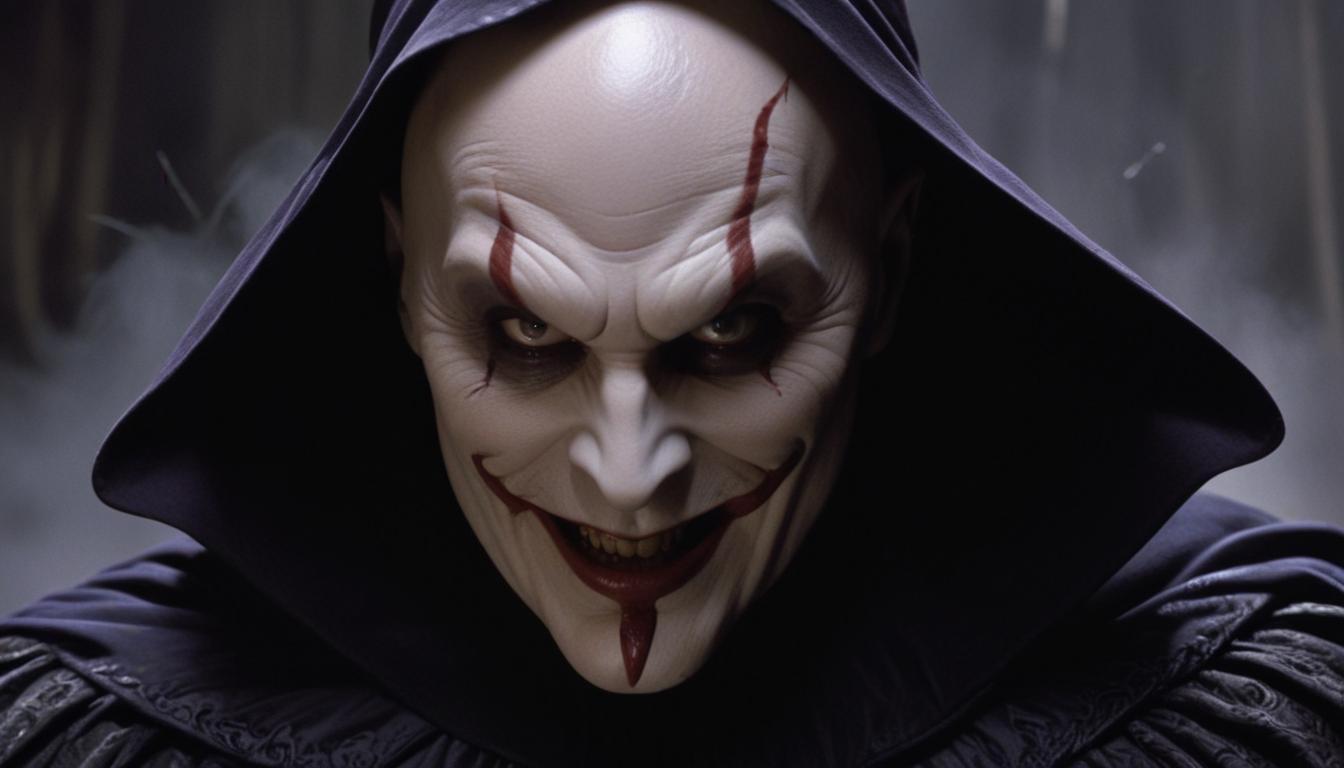
What exactly makes a movie villain unforgettable? Is it their chilling demeanor, their sinister motivations, or the profound sense of danger they bring to the story? The most iconic antagonists often strike a careful balance, blending psychological depth with an undeniable allure. They aren’t simply individuals acting out of malice; the best villains emerge as fully fleshed-out characters whose actions, no matter how horrific, often contain a sliver of human relatability. This depth is what transforms ordinary antagonists into the kind of movie villains whose presence lingers in the minds of audiences long after the credits roll.
One of the key elements in defining such villains lies in the art of storytelling. Gripping cinema demands not just heroes we root for but adversaries who challenge them at every corner. The push and pull between good and evil, or even moral ambiguity, becomes far more engaging when the villain feels as complex and compelling as the protagonist. Villains who stand out tend to reflect the darker aspects of humanity, whether through greed, power, revenge, or fear. By embodying these universal flaws, they create a mirror for the audience—one that can be as unsettling as it is fascinating.
Equally important is how these characters are introduced and developed throughout the narrative. The best movie villains often come with carefully constructed layers that peel away as the story progresses. They’re not defined solely by their crimes or acts of destruction but also by the moments where their vulnerabilities or personal philosophies come to the forefront. It’s in these moments that audiences find themselves both repelled and captivated, struggling with an oddly reluctant fascination.
Unforgettable villains often benefit from striking performances that enhance their written personas. The way an actor moves, speaks, or even carries an emotion can elevate a villain into legendary status. Consider the chilling calmness of Hannibal Lecter or the chaotic energy of the Joker; these performances are burned into our collective memory because of how authentically and powerfully the characters are portrayed. This authenticity brings the villain off the screen and into the cultural zeitgeist, ensuring they become touchstones in the larger conversation about iconic antagonists in cinema.
villains who steal the show
Some villains possess such a magnetic screen presence that they end up overshadowing everyone else in the movie—even the story’s supposed heroes. These are the characters who, from the moment they step into a frame, command attention with every line, gesture, and calculated glance. Gripping cinema thrives on this rare phenomenon: the villain who not only challenges the hero but also steals the show entirely. These performances transcend the typical bad guy tropes, etching their way into the audience’s memory as more than just an obstacle to be overcome. They become the highlight of the film, often the reason we return to it again and again.
This kind of effortless dominance comes in various forms. For some iconic antagonists, it’s their flamboyant charisma or theatrical flair that draws us in. Think of the Joker in “The Dark Knight,” where every wild smirk and enigmatic phrase oozes malevolent charm. It’s not just Heath Ledger’s unforgettable performance that captures our attention, but the way the character bends the entire narrative around his sheer unpredictability. The Joker doesn’t just exist within the story; he owns it, creating chaos that forces not just Gotham City but the very fabric of the film to revolve around his vision.
For others, their ability to steal the show lies in their quiet intensity. Anton Chigurh in “No Country for Old Men” is a prime example of a movie villain who doesn’t seek the spotlight, yet every encounter with him is steeped in tension and dread. His soft-spoken yet sinister demeanor is a stark contrast to the violence he delivers. Each word, every pause, feels methodical, giving his presence an unsettling gravity that keeps viewers on edge. His philosophy about fate and choice makes him chillingly unique, more than just a villain—he’s a harbinger of inevitability, impossible to ignore.
These show-stealing villains elevate their films by creating a distinct energy that lingers in every scene they’re in, even when they’re absent from the screen. In their own twisted way, they are the driving force of the plot, constantly outshining the protagonist’s journey. Their actions and philosophies not only propel the narrative but, in many cases, shift the moral compass of the story altogether. Iconic antagonists who dominate in this way blur the lines between good and evil, forcing audiences to rethink their own allegiances and moral judgments.
A crucial aspect of these unforgettable villains is how they feel larger than life, yet grounded in some form of reality. They are unshakably human, no matter how grotesque or morally corrupt they may seem. This relatability is what gives their performances such a captivating edge. When audiences understand even a tiny fraction of their motives—whether it’s revenge, survival, or rebellion—they can’t help but be drawn into their perspective, no matter how outrageous it may be. This connection serves as the foundation for their enduring appeal, cementing them as legends of gripping cinema.
Ultimately, villains who steal the show are not just antagonists in a traditional sense; they are the soul of the story, demanding that you watch them, analyze them, and—however reluctantly—admire them. Their memorability doesn’t just rest on the shoulders of their actors or the writing but on the synergy between performance and narrative. They become the reason their films thrive, repeatedly drawing viewers into their web of fascination. Their ability to dominate the conversation long after the credits roll is one of the defining marks of truly unforgettable movie villains.
psychological masterminds
There is a certain allure to villains who rely on their intellect and psychological manipulation to spread chaos. These types of antagonists—psychological masterminds—operate on a level far removed from physical strength or sheer force. Instead, they dismantle their enemies through wit, strategy, and an unsettling understanding of human nature. Their cunning nature makes them some of the most fascinating movie villains in cinematic history, as the tension they create doesn’t come from brute action but from the lingering sense that they are always one step ahead of everyone else.
One of the most renowned examples of this archetype is Dr. Hannibal Lecter from “The Silence of the Lambs.” Played masterfully by Anthony Hopkins, Hannibal is more than just a convicted serial killer—he is a psychological puppeteer who uses charm, intelligence, and a razor-sharp understanding of his adversaries to manipulate those around him. Even while confined to a prison cell, he exerts control over both the protagonist, FBI trainee Clarice Starling, and the broader narrative. His conversations with Clarice are rife with subtle power plays, showcasing his ability to dig into her psyche and expose vulnerabilities with chilling precision. It’s in these moments that Hannibal transcends the role of a typical antagonist to become an intellectual force of nature, making audiences both fear and admire him in equal measure.
Similarly, John Doe, the antagonist in David Fincher’s “Se7en,” demonstrates the terrifying power of a psychological mastermind. Unlike other villains who dominate through overt violence, Doe’s true weapon is his deep understanding of the human condition, which he uses to orchestrate a series of murders modeled after the seven deadly sins. Played with unnerving calmness by Kevin Spacey, John Doe’s calculated actions become a morbid symphony, crafting a narrative that forces both the characters and the viewers to confront the darkness within themselves. By the time his plan reaches its devastating conclusion, it becomes clear that John Doe’s greatest weapon isn’t his physical ability but his ability to manipulate others into unwittingly participating in his grisly vision of justice.
What makes these psychological masterminds particularly compelling is their ability to challenge protagonists on a mental and emotional level. These iconic antagonists don’t just attack the hero’s physical surroundings—they invade their minds, entangling them in a web of doubt, fear, and exhilaration. The Joker in Christopher Nolan’s “The Dark Knight” exemplifies this perfectly. While his chaotic actions create physical destruction, the true damage he inflicts lies in the moral dilemmas he forces upon Batman. The Joker’s ability to twist the motivations of his adversary, pitting him against his own code of ethics, turns the film into more than just a battle of good versus evil. It becomes a study of moral ambiguity, one where the villain’s psychological games leave a lasting impact on both the characters and the audience.
There’s also Norman Bates in Alfred Hitchcock’s “Psycho,” whose entire identity is a masterclass in psychological manipulation. On the surface, Norman appears to be a shy and harmless young man running a remote motel, but as the story unfolds, his damaged psyche gives way to terrifying truths. His polite demeanor and unsettling kindness mask a fractured mind controlled by a darker alternate personality. The duality of Norman Bates is what makes him so unforgettable. He isn’t solely a villain but a tragic character whose psychological state blurs the line between victim and predator, unsettling audiences with his uncanny relatability.
What sets psychological masterminds apart from other types of movie villains is their ability to thrive in the gray areas of morality and humanity. They are not relentless forces of destruction but carefully calculated architects of chaos. This makes them feel hyper-realistic—after all, we fear not just their actions but their intelligence, which often reflects a warped mirror of society’s darkest fears. These villains dig into the psyche of the audience just as much as they do the protagonists, leaving a lingering sense of unease that stays long after the story ends.
The brilliance of psychological masterminds lies in their depth. They are not caricatures of evil but fully realized characters whose motivations, however dark, make a twisted kind of sense. It’s this relatability, combined with their ability to exert absolute control over those around them, that cements their legendary status in gripping cinema. With their intellectual prowess and manipulative charm, these villains shape not just the narrative but also the audience’s perception of right and wrong, ensuring that they remain unforgettable components of their films and of the larger cultural conversation surrounding iconic antagonists.
iconic physical threats
When it comes to villains who dominate through sheer physical presence, their imposing forms and relentless aggression make them unforgettable forces of nature. These iconic antagonists don’t just intimidate—they obliterate, leaving havoc in their wake while carving a lasting impression on the audience. In gripping cinema, physical threats hold a unique power: they evoke primal fears, reminding us of our vulnerability when faced with overwhelming strength, brutality, or destructive intent.
Take Darth Vader, for instance, whose towering presence and mechanized breathing signify an omnipresent menace in the “Star Wars” saga. Despite the layered complexity of his backstory, it’s his commanding physicality that initially arrests viewers. The sharp contrast between his silent, calculated movements and explosive moments of violence amplifies his impact. Whether dueling with a lightsaber or simply walking onto a rebel ship, Vader’s dominance over every scene emanates from both his physical prowess and his ability to instill fear by merely standing in the room. He’s the embodiment of a villain who doesn’t need to shout or rush—his deliberate movements and larger-than-life appearance do all the talking.
Similarly, the T-800 from the “Terminator” series is another classic example of an iconic physical threat. Played by Arnold Schwarzenegger, this relentless cyborg assassin combines the deadliest aspects of machine-like efficiency with brute human strength. What makes the T-800 terrifying is not only its ability to withstand ungodly amounts of damage but also its unyielding pursuit of its target. The repetitive thud of its boots or the mechanical rise as it springs back from defeat creates an atmosphere of dread that underscores its inhuman persistence. The T-800 doesn’t just chase Sarah Connor—it stalks her, turning every encounter into a nerve-wracking display of survival against insurmountable odds.
Among other showstoppers is Bane from “The Dark Knight Rises,” whose overwhelming physicality matches his methodical cunning. A rare blend of raw strength and mental acuity, Bane is introduced as a true antithesis to Batman, tearing through Gotham’s protector with ease. His now-infamous showdown with Batman in the sewers marked one of the most chilling displays of an iconic antagonist’s power. Without flashy gimmicks or superpowers, Bane’s crushing grip, tactical brilliance, and disturbingly calm demeanor injected a palpable sense of hopelessness into the film. His declaration—“I was wondering what would break first, your spirit or your body”—rings out as one of the most ominous moments in cinema because he truly represents a villain who thrives on dominating others with his brutal force.
Then there’s the shark in “Jaws,” a villain unlike any other. Though it lacks dialogue or a face, the monstrous predator represents nature’s unyielding threat at its most visceral. What makes “Jaws” so effective isn’t just the shark’s attacks but the psychological weight of the unseen menace. The haunting tones of the score build tension until the beast finally emerges to strike with merciless ferocity. The shark’s formless terror taps directly into primal fears, proving that in gripping cinema, true horror doesn’t need human form or motive—it only needs to remind us of how small we are in the face of a vast, uncaring force.
Physical villains don’t always need immense size or inhuman powers to be memorable. Take Hans Gruber from “Die Hard.” Although primarily known for his sharp intellect and charisma, Gruber is no stranger to physical confrontation. With effortless composure, he never hesitates to assert dominance or eliminate threats in his path, blending strategic brilliance with an intimidating presence. His ability to command both mentally and physically makes him one of the most fascinating movie villains of all time. While bullets and brawn are often secondary to his schemes, his moments of physical authority create stark reminders that he’s not to be underestimated.
What makes these physical threats iconic is their ability to impact not just the characters within the story but the audience as well. They bring a sense of grounded reality to their brute strength, anchoring their aggression in a way that feels personal and immediate. Whether it’s a quiet stroll intensified by the sound of heavy boots or the thunderous destruction in an action sequence, their physical domination serves as a stark reminder of the hero’s (and by extension, our) mortality. These villains tower over their films—figuratively and literally—marking their presence as indelibly as their crushing blows or relentless chases.
At their core, these physical antagonists embody the primal challenges of survival, forcing protagonists into a world where wit or strategy alone might fail. Their fearsome designs and overpowering physiques draw audiences deeper into the tension of the narrative, making their cinematic moments all the more gripping. Whether human, machine, animal, or something in between, these villains transcend the bounds of ordinary threats to become larger-than-life adversaries who remind us why they’ll remain unforgettable symbols of danger and power in movie history.
legacy of unforgettable villains
Unforgettable villains leave behind more than just a trail of destruction; they etch themselves into the cultural consciousness, becoming symbols of power, fear, and complexity in storytelling. Their legacy isn’t confined to the films they inhabit but extends into the broader realm of cinematic history. These movie villains often transcend the screen, influencing popular culture, inspiring other creators, and forever shaping the way we view the role of an antagonist in gripping cinema.
One of the key markers of an unforgettable villain’s legacy is their enduring presence in conversations, decades after their films premiered. Darth Vader, for example, has become more than just the central antagonist of the “Star Wars” franchise—he is a symbol of redemption as much as he is a representation of overwhelming control and darkness. His imposing image, deep mechanical breathing, and tragic arc are referenced far beyond sci-fi circles, finding their place in countless parodies, homages, and adaptations. Similarly, the Joker, particularly through portrayals such as Heath Ledger’s in “The Dark Knight,” has become a template for villains who marry chaos with complexity. The clown prince of crime has been reimagined time and again, but his core remains the same: a figure who forces society (and the audience) to confront the fragility of order and morality.
Unforgettable villains also create a ripple effect within the storytelling industry itself. Iconic antagonists like Hans Gruber from “Die Hard” set a precedent for suave and sophisticated villains who can dominate a room with wit and cunning just as much as with violence. His blend of charisma, intellect, and menace has influenced countless action films, as writers and filmmakers strive to capture lightning in a bottle with similarly layered villains. Such characters elevate their genres, proving that an antagonist doesn’t have to be a two-dimensional obstacle but rather a fully realized counterweight to the hero’s journey.
These villains also leave their imprint on the audience’s psyche, often shaping their perceptions of right and wrong. Hannibal Lecter, for instance, forces viewers to wrestle with the discomfort of simultaneously condemning his actions while being entranced by his brilliance. The T-800 from “The Terminator” embodies another kind of moral complexity, where an emotionless killing machine transforms into a figure of reluctant protection in later films, creating a tension about what it means to be human—both for villains and for heroes. These iconic antagonists compel viewers to look beyond black-and-white morality, offering glimpses into the gray, often uncomfortable areas of human nature.
Pop culture, too, immortalizes these villains, cementing their place in history through merchandise, references, and reinterpretations. Think of how many Halloween costumes still channel the unsettling presence of characters like Norman Bates or the flamboyant chaos of the Joker. Villains with this level of resonance go beyond being memorable characters—they become cultural milestones. Their lines of dialogue, visual motifs, and even their philosophies seep into our collective language. Phrases like “Why so serious?” or “I am your father” instantly evoke vivid memories of the characters who delivered them, proving their enduring influence.
Not to be overlooked is the way these villains often redefine the careers of the actors who play them, engraving an indelible mark on their filmographies. Anthony Hopkins’s chilling portrayal of Hannibal Lecter in “The Silence of the Lambs” has become the yardstick against which all other cerebral villains are measured, while Arnold Schwarzenegger’s role as the T-800 shaped his legacy as both an action hero and a cultural icon. These performances bring the written character to life, but they also benefit from the synergy between director, script, and actor to create villains who feel larger than life yet deeply rooted in authenticity.
The legacy of unforgettable villains shapes the very essence of what gripping cinema aspires to be. A film with a compelling villain doesn’t just entertain; it provokes thought, emotion, and engagement. These antagonists leave audiences asking questions long after the closing credits—about human nature, the thin line between good and evil, and the choices that define us. They elevate movies from mere spectacle or escapism into stories that resonate on a profound level, cementing their status as cornerstones of cinematic excellence.
