- timeless classics
- unforgettable performances
- masterful storytelling
- cinematic breakthroughs
- nostalgia rewound
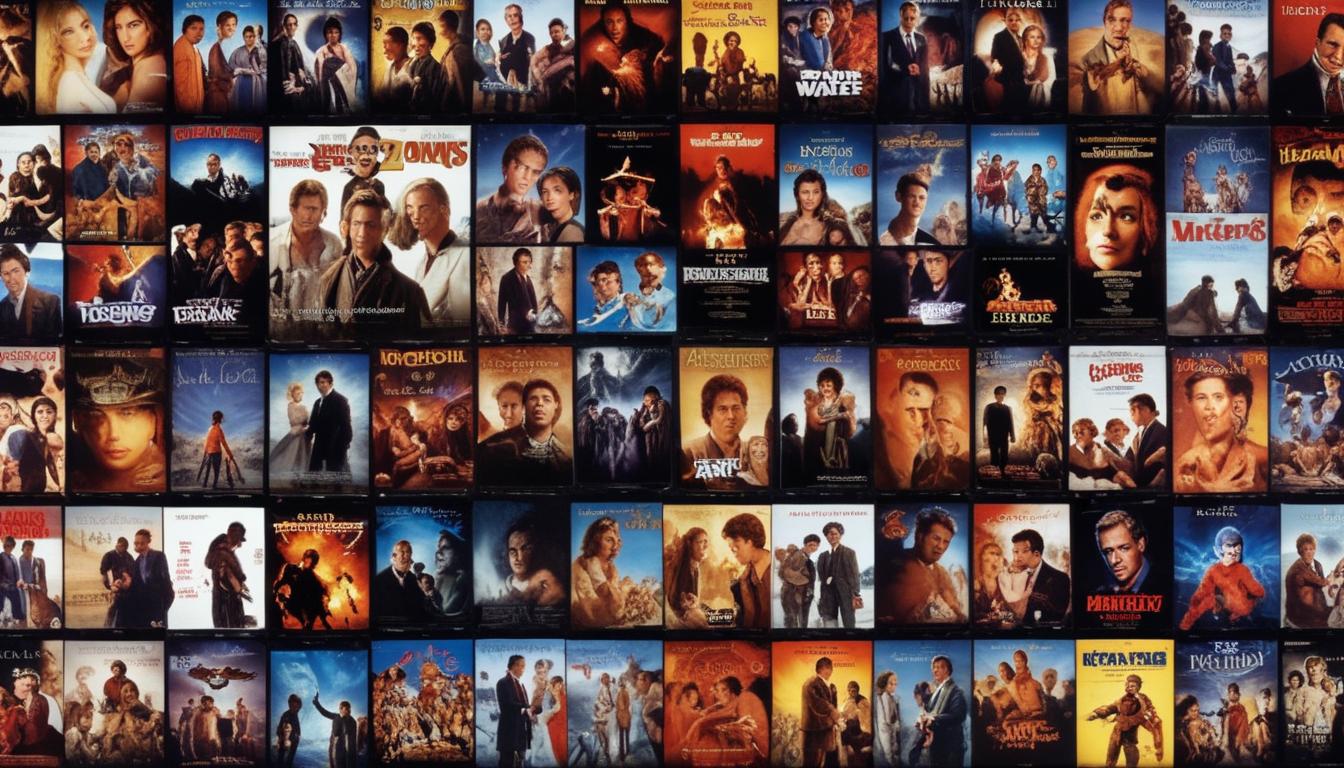
There’s something magical about timeless cinema that keeps us coming back, no matter how many years pass. These films transcend generations and cultural shifts, retaining their relevance with every new viewing. They’re not just movies; they’re a bridge to shared human experiences, enveloping us in stories, performances, and visuals that refuse to age. From black-and-white epics to golden-age dramas, these rewatchable films remind us why we fell in love with the art of storytelling in the first place.
Among the many Second-Time Hits, classics like *Casablanca* and *Gone with the Wind* sit at the top. Who can resist the bittersweet romance of Rick and Ilsa, or Scarlett O’Hara’s relentless determination? These are films with unforgettable dialogues, impeccable direction, and nuanced characters that seem to reveal something new each time you watch them. It’s that rediscovery, that subtle new layer you missed the first time, that makes them so special.
Equally impactful are films like *The Godfather* trilogy or *Citizen Kane*, which redefined what cinema could be. Their intricate plots, storytelling innovations, and iconic performances make them indispensable pillars of filmmaking. More importantly, they belong to the rare breed of films that grow deeper and richer with repeated viewings, as you notice the carefully threaded details and masterful subtext that were tucked away in the background on your first watch.
Revisiting these gems is not always about their technical brilliance, though. Sometimes, it’s pure nostalgia that calls us back to these masterpieces of timeless cinema. Whether it’s the simple charm of *Singin’ in the Rain* or the heart-swelling tension in *It’s a Wonderful Life*, the movies in this category don’t just entertain us—they offer a sense of comfort, anchoring us to moments of joy, wonder, and emotion in our lives. And isn’t that the true essence of rewatchable films?
unforgettable performances
Some films linger in our memory long after the credits roll, leaving behind performances so compelling that they demand to be experienced again. These are the movies where actors transcend their craft, inhabiting their characters so fully that it feels as though you’re watching real lives unfold on screen. Rewatching these performances is like revisiting an old friend; each time, you notice new subtleties, fresh nuances, and deeper layers to their portrayals.
Take Daniel Day-Lewis in *There Will Be Blood*, for example. His portrayal of Daniel Plainview is raw, intense, and utterly mesmerizing, a masterclass in how one actor can dominate the screen. Watching it a second, third, or even fourth time is an exercise in discovering the genius behind each expression, pause, and inflection. Similarly, Meryl Streep’s transformative role in *The Iron Lady* or *Sophie’s Choice* is a testament to her unparalleled ability to slip seamlessly into a character, creating emotional moments that feel heartbreakingly real. Streep’s work is so intricate and layered that it practically begs for a rewatch to fully appreciate the depth of her performance.
Then there are roles that don’t just define an actor’s career but become cultural touchstones in popular consciousness. Heath Ledger’s chilling, anarchic turn as the Joker in *The Dark Knight* remains one of the most talked-about performances in modern cinema. Revisiting it gives viewers a fresh chance to absorb how Ledger’s meticulous attention to detail transformed a villain into an unforgettable, larger-than-life presence. Jack Nicholson’s edge-of-sanity brilliance in *One Flew Over the Cuckoo’s Nest* is another stellar example, blending menace, charm, and vulnerability into a single, captivating role that demands repeated viewings to fully grasp.
Rewatchable films in this category often feature performances that evolve with each subsequent viewing. Joaquin Phoenix in *Joker*, Al Pacino in *Scent of a Woman*, or Viola Davis in *Fences* uncover new emotional truths every time you revisit them, rewarding audiences who take the time to dig deeper. It’s no wonder these Second-Time Hits are beloved; they remind us of the transformative power of acting and how a single performance can elevate a movie into something legendary.
But unforgettable performances aren’t limited to dramas alone. Comedy brings its own flavor of brilliance, with actors like Robin Williams in *Dead Poets Society* or *Good Morning, Vietnam*, whose quick-witted improvisation and heartfelt sincerity make it impossible not to revisit their work. These performances remind us how humor and emotion can coexist, crafting characters that stay with us long after the laughs or tears subside.
Ultimately, these performances are the heart and soul of timeless cinema. They’re why we go back again and again—not just to relive the magic but to let these characters take us on their journeys anew, to rehear their unforgettable lines and feel their raw emotions. It’s this unparalleled connection between the audience and the actor that makes these films unforgettable and undeniably rewatchable.
masterful storytelling
Few things are as gratifying in the world of cinema as stories that grip you so tightly, even on a second or third viewing. These are the kinds of movies where every twist, turn, and line of dialogue has been carefully stitched into a larger narrative tapestry. Rewatchable films that showcase masterful storytelling go beyond surface-level entertainment—they dive into themes and moral dilemmas that challenge and intrigue audiences, beckoning them to return again and again to discover something new.
One standout in this category is Christopher Nolan’s *Inception*. The layered narrative about dreams within dreams is as thrilling as it is complex. No matter how many times you’ve experienced Cobb’s high-stakes journey to reconcile with his past, there’s always another clue hiding in the corners, a fresh perspective to uncover. Similarly, Denis Villeneuve’s *Arrival* masterfully unfolds its narrative, turning what at first seems like a simple alien contact story into an emotional exploration of time, communication, and the human condition. It’s only on repeat viewings that you can truly grasp the depth of its intricate design.
Then there are films like *The Shawshank Redemption*, which weave hope, friendship, and resilience into a story that transcends its prison walls. The tightly crafted screenplay and symbolic storytelling elements keep audiences invested no matter how many times they revisit it. Likewise, David Fincher’s *Fight Club* reveals its layered social commentary and psychological complexity bit by bit. A first-time viewer may focus on the twist, but returning to it opens up new layers of insight into its critique of consumerism, identity, and masculinity.
In timeless cinema, stories are often enhanced by subtle, symbolic details that only become apparent after multiple rewatches. In Alejandro G. Iñárritu’s *Birdman*, for instance, the film’s single-shot illusion reinforces its commentary on ego, legacy, and redemption. Each rewatch allows viewers to deepen their appreciation of how every frame connects to the larger themes of the narrative. Or take Guillermo del Toro’s *Pan’s Labyrinth*, a poignant melding of fantasy and historical drama. Its layers of allegory and myth demand you step back into its enchanting, heartbreaking world to understand the story’s true resonance fully.
At times, masterful storytelling also means leaving room for interpretation. Films like *Donnie Darko* or *Mulholland Drive* embrace ambiguity, their cryptic narratives sparking endless debates among fans. These are Second-Time Hits that reward you for diving back in, encouraging audiences to piece together their enigmatic plots—and maybe even reach a completely different conclusion the second or third time through.
There’s also a special kind of masterful storytelling in epics like Peter Jackson’s *The Lord of the Rings* trilogy. With its sprawling plotlines, richly detailed world-building, and deeply human character arcs, it’s nearly impossible to appreciate every storytelling thread in just one viewing. Rewatching gives you the chance to catch foreshadowing in Frodo’s quiet moments, to see the political undertones in Aragorn’s rise, or to truly revel in the nuance of Gandalf’s wisdom as he guides the Fellowship.
Even smaller, more intimate films can carry a resonance that grows with time. Greta Gerwig’s *Lady Bird* and Richard Linklater’s *Boyhood* use subtle storytelling to explore universal themes of identity, growth, and the passage of time. These films transform ordinary moments into extraordinary reflections of the human experience—watching them again isn’t just a revisit; it’s an emotional journey that becomes richer with context and maturity.
The magic of these stories lies in their ability to connect the audience to the characters, themes, and narrative techniques in ways that feel personal and profound. Whether intricate mysteries, sweeping epics, or poignant dramas, these examples of timeless cinema prove that masterful storytelling is the thread that ties unforgettable movies together. They are, unequivocally, the heart of what makes a film worth returning to, time and time again.
cinematic breakthroughs
Some films aren’t just marvels of storytelling or acting; they change the cinematic landscape entirely, pushing boundaries and redefining what is possible on screen. These cinematic breakthroughs are the kind of movies that demand to be rewatched, not only because of their innovation but because every viewing reveals new intricacies hidden in plain sight. They aren’t just movies; they’re milestones in timeless cinema, leaving audiences in awe of their technical brilliance, visionary directors, and groundbreaking achievements.
Take Stanley Kubrick’s *2001: A Space Odyssey*, for example. Even decades after its release, the film’s striking visuals, philosophical themes, and bold narrative structure remain unparalleled. Viewing it multiple times allows fans of the genre to uncover the deeper existential questions Kubrick embedded within its frames. The seamless blend of classical music with awe-inspiring imagery transforms this film into a hypnotic experience that feels fresh with every rewatch.
Another revolutionary work is George Lucas’ *Star Wars: A New Hope*. While today the *Star Wars* saga is deeply woven into pop culture, it’s worth remembering how the original installment changed science fiction and blockbuster filmmaking forever. The lived-in feel of its universe, coupled with groundbreaking visual effects, created a cinematic breakthrough that audiences had rarely seen before. Each revisit sparks nostalgia while also offering a reminder of just how far Lucas dared to explore outside the confines of 1970s movie norms, birthing an entire genre of mainstream space operas.
More recently, James Cameron’s *Avatar* pushed the envelope for what digital filmmaking and 3D technology could achieve. Whether appreciated on its initial release or in a subsequent viewing, its dazzling world of Pandora and innovative motion capture techniques offer viewers a vivid spectacle that feels like an event each time they watch. Cameron’s relentless pursuit of technological advancement ensured that his work stood as a turning point in modern cinema, one that fans of rewatchable films love revisiting to marvel at its artistry.
It’s not just advancements in technology that mark cinematic breakthroughs—storytelling formats and genres find reinvention as well. Quentin Tarantino’s *Pulp Fiction* obliterated the conventions of linear narrative with its wildly original structure. At first viewing, audiences are often captivated by its snappy dialogue and unforgettable characters, but repeated watches unlock the brilliance of its storytelling layers. How does a non-linear plot feel so natural? How do scenes toggle between humor and violence so seamlessly? This film’s sheer inventiveness ensures it remains a Second-Time Hit, perfect for analytically-minded cinephiles.
On the animation front, films like Hayao Miyazaki’s *Spirited Away* entered the realm of cinematic breakthroughs by proving that animated films could be just as profound and artistically compelling as live-action dramas. The richness of its hand-drawn animation, combined with Miyazaki’s ability to weave magical realism with deeply human emotions, demands more than one viewing. With each rewatch, viewers are transported back to its lush, surreal world, noticing small, delicate details that elevate it into a masterpiece of timeless cinema.
Then there’s *The Matrix*, the Wachowskis’ sci-fi juggernaut that reshaped action filmmaking with its revolutionary use of “bullet time” and philosophical underpinnings. Radically fresh on its debut, the film continues to inspire awe on rewatches, not just for its stunts and effects but for its layered themes about reality, control, and human freedom. Like all great cinematic breakthroughs, it doesn’t just stand the test of time—it seems to exist outside of it, earning its place among rewatchable films that feel relevant with each revisit.
These films and their game-changing contributions are why we often label them as Second-Time Hits. They aren’t just about their visual innovations or technological leaps; they also challenge audiences to rethink how stories are told, how emotions are conveyed, and even how movies are made. With each viewing, they unfold like puzzles, offering new insights into what made them groundbreaking in the first place. It’s the mark of truly timeless cinema—the kind of cinema that rewards you for coming back, time and time again.
nostalgia rewound
Sometimes, rewatching a film isn’t just about the story, performances, or visual brilliance—it’s about rediscovering that special feeling you had the first time you pressed play. These are the movies that take us back in time to moments of pure joy, wide-eyed wonder, and heartfelt emotion. Rewatchable films in this category are more than just entertainment; they’re gateways to cherished memories, serving as time capsules that capture the essence of an era or a moment in our lives.
Take, for instance, the unforgettable magic of *E.T. the Extra-Terrestrial*. This Steven Spielberg classic evokes childhood curiosity and the universal longing for connection, all wrapped up in a charming tale of friendship between a boy and an alien. Rewatching it as an adult only deepens your appreciation for its heartwarming sincerity and timeless charm. Similarly, *The Goonies* captures the boundless excitement of youthful adventure, inviting audiences to relive their own treasure-hunting fantasies with every rewatch. It’s impossible not to be swept up again in the camaraderie and thrill of these classic coming-of-age films.
Nostalgia rewound also means revisiting films that defined the pop culture of their time. For many, John Hughes’ *The Breakfast Club* remains an anthem of teenage rebellion and self-discovery, with each rewatch striking a chord with anyone who has ever felt misunderstood. The same can be said for *Dirty Dancing*, where the music, dancing, and iconic lines transport viewers to the summer of the Catskills—a time filled with first loves and unforgettable moments. Whether you’re revisiting these classics for the umpteenth time or introducing them to someone new, they never fail to reignite a sense of youthful energy.
Animated classics shine just as brightly in this category, appealing to kids and adults alike. Disney’s *The Lion King* continues to tug at heartstrings with its sweeping narrative of loss, redemption, and the circle of life. Meanwhile, Pixar’s *Toy Story* perfectly captures the bittersweet transition of growing up, making it a perennial favorite for families and adults who find new layers of meaning with each rewatch. These films remind us of the enduring power of storytelling, where universal themes resonate as strongly today as they did decades ago.
Of course, some movies tap directly into the nostalgia of their time, with trends, styles, and soundtracks that evoke specific eras. Few films embody the ’80s quite like *Back to the Future*, with its high-energy time-travel shenanigans and endlessly quotable dialogue. Watching it today feels like a joyful trip to a neon-lit past filled with hoverboards, DeLoreans, and unforgettable characters. Similarly, rom-coms like *You’ve Got Mail* or *Clueless* offer slices of the ’90s that are just as enjoyable decades later, filled with moments that feel warmly familiar with each rewatch.
And then there are the blockbuster phenomena that defined entire generations. Who among us hasn’t heard the iconic crescendo of *Jurassic Park*’s theme music and felt an immediate flood of astonishment as the dinosaurs roar to life on screen? Steven Spielberg’s masterpiece isn’t just a marvel of technical achievement; it holds a timeless appeal that makes audiences feel like wide-eyed kids again. The same can be said for *Harry Potter and the Sorcerer’s Stone*, which introduced countless viewers to the wizarding world, becoming an annual favorite for fans who find comfort in re-experiencing the magic.
What makes these movies truly special is their ability to evolve with us. A film like *Forrest Gump* might have captured audiences with its quirky humor and heartfelt simplicity on a first viewing, but it becomes more poignant over time as we reflect on its themes of love, resilience, and fate. Similarly, *The Princess Bride* is filled with layers of wit, romance, and adventure that only grow richer with repeated viewings, making it a treasure trove of nostalgic delight.
Nostalgia isn’t just about looking back; it’s about how each rewatch reflects who we are now, compared to who we were when we first saw these films. That’s the beauty of Second-Time Hits within the world of timeless cinema—they allow us to revisit not just the movies themselves but also our own memories, offering a comforting blend of familiarity and rediscovery. So, when the urge strikes to watch these classics once more, lean into the joy, the laughter, and even the tears. Rewinding nostalgia is what keeps these films truly timeless.
