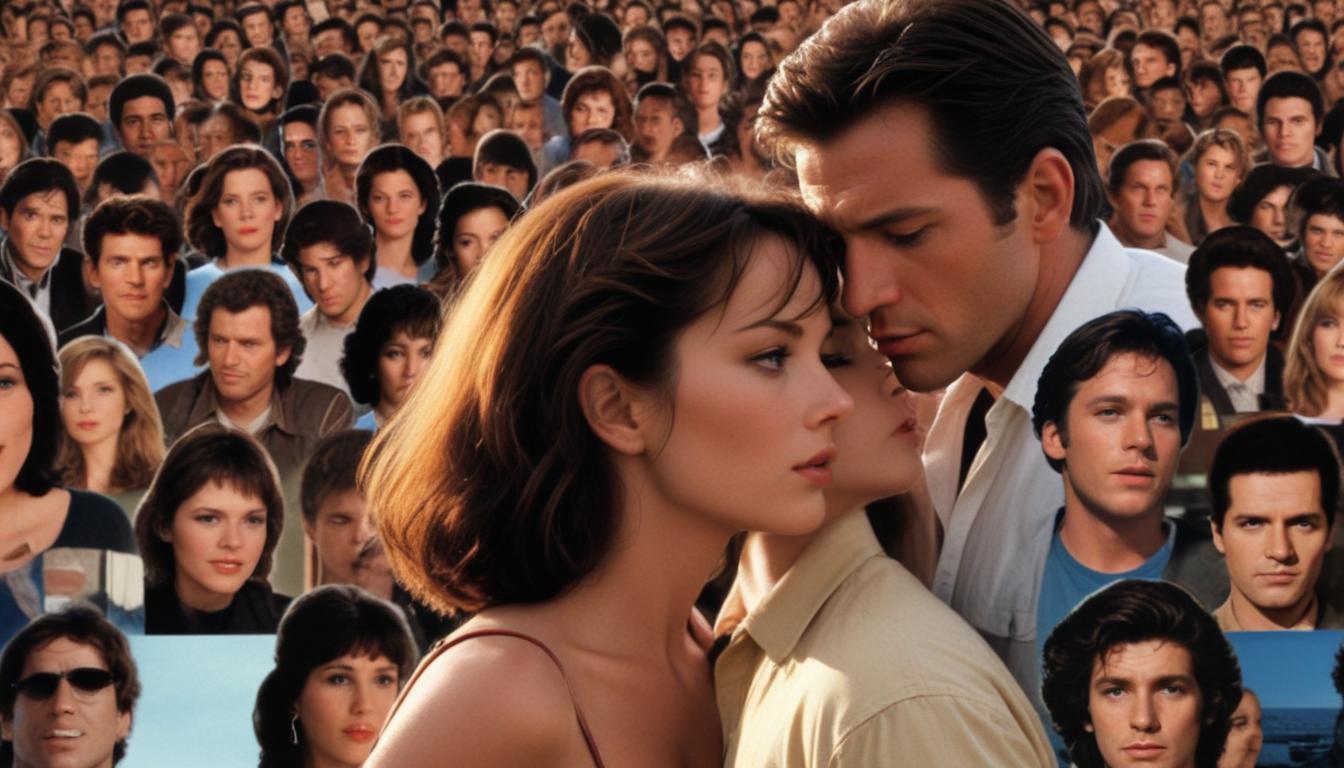
- timeless classics in cinematic music
- modern masterpieces you can’t miss
- animated films with iconic scores
- collaborations that defined generations
- indie gems with standout soundtracks
When it comes to timeless classics in cinematic music, certain films transcend generations by marrying unforgettable visuals with equally unforgettable tunes. These movies have become cultural touchstones, introducing audiences everywhere to iconic scores that resonate far beyond the movie screen. These are more than just films with music; they are experiences that have shaped the way we remember cinema’s golden eras.
A quintessential example is “The Godfather” (1972), which features a soundtrack composed by Nino Rota. The hauntingly beautiful main theme, with its melancholic mandolin melodies, blends perfectly with the movie’s themes of loyalty, family, and betrayal. It’s considered by fans and critics alike as one of the best movie soundtracks of all time and has been endlessly referenced in pop culture since its debut.
Similarly, “Casablanca” (1942) made waves not only for its story but also for the unforgettable “As Time Goes By.” While technically a popular song predating the film, its use within the movie alongside Max Steiner’s orchestral arrangement immortalized it as a symbol of love and longing. Fans continue to associate this evocative tune with some of Hollywood’s most romantic moments ever captured on screen.
No list of timeless classics is complete without mentioning “Star Wars: A New Hope” (1977). John Williams’ groundbreaking score helped redefine how music could heighten storytelling. The opening fanfare remains instantly recognizable, not just to fans of the franchise, but in global popular culture as a whole. Williams’ work not only set a gold standard for sci-fi adventure movies but created an entirely new relationship between emotion and orchestration.
Then there’s “Lawrence of Arabia” (1962), with Maurice Jarre’s iconic score. The sweeping desert vistas captured in the film are perfectly complemented by an equally majestic musical theme, one that has etched itself into the collective cinematic consciousness. Every note seems to embody the vastness and beauty of the Arabian deserts while reflecting the inner journey of its titular character.
These films remind us of the power of music in cinema, not as background noise but as an integral storytelling element. They’ve set the stage for generations of directors and composers to follow and inspired what we now call the best movie soundtracks. Each of these works continues to endure, proving that classic never goes out of style.
modern masterpieces you can’t miss
In more recent years, a new wave of films has graced the screen, pairing unforgettable storytelling with soundtracks that leave an indelible impression on audiences. These modern masterpieces boast iconic scores and curated soundtracks that span genres, introducing both casual moviegoers and die-hard cinephiles to some of the best movie soundtracks of our time. From haunting melodies to euphoric beats, these movies prove that the art of matching music to moments is alive and well in contemporary cinema.
One standout example is Christopher Nolan’s “Inception” (2010), featuring a mind-bending score by the legendary Hans Zimmer. The thunderous and layered sound of tracks like “Time” has become synonymous with the film’s themes of memory and manipulation of reality. Zimmer’s use of slowed-down, reimagined sounds — particularly the manipulation of Edith Piaf’s “Non, Je Ne Regrette Rien” — to replicate the feeling of time distortion was nothing short of groundbreaking. It’s a perfect example of how films with music can deeply enhance the psychological and emotional resonance of a narrative.
Another cinematic tour de force is “The Social Network” (2010), which redefined what a modern soundtrack could be. Composed by Trent Reznor and Atticus Ross, the score is an atmospheric blend of electronic and minimalist sounds that mirrors the cold ambition and relentless drive of Mark Zuckerberg’s character. Pieces like “Hand Covers Bruise” become iconic for their ability to convey loneliness and intensity, illustrating how innovative scores can reshape a story’s tone and become instantly recognizable in pop culture.
For a film that marries nostalgia with contemporary energy, look no further than “Guardians of the Galaxy” (2014). Its soundtrack, aka “Awesome Mix Vol. 1,” is a curated collection of retro pop songs from the ’70s and ’80s, breathing life into the film’s intergalactic escapades. Classics like “Hooked on a Feeling” by Blue Swede and “Come and Get Your Love” by Redbone don’t just provide pulse-pounding beats — they build character and humor, making this one of the best movie soundtracks for giving old-school hits a new lease on life.
Musicals are, of course, a genre unto themselves when it comes to iconic scores, and “La La Land” (2016) is a recent example that stands out. Composed by Justin Hurwitz, its jazz-infused score features unforgettable pieces like “City of Stars” and “Another Day of Sun,” each one holding a blend of euphoria and bittersweet emotion. As a film about dreams, love, and sacrifice, its music becomes an essential storytelling tool, leaving audiences humming long after the credits roll.
Soundtracks in modern cinema are increasingly aware of their cultural impact, carefully curated to shape an entire movie’s personality and legacy. Films with music that linger in people’s minds are rare, but when they work as seamlessly as in these examples, the result is nothing short of magic. Whether through orchestral compositions or throwback hits, these modern masterpieces remind us that the best movie soundtracks aren’t just accompaniment — they are the heartbeat of their stories.
animated films with iconic scores
Animated films have long been celebrated for their ability to seamlessly blend visual artistry with unforgettable and iconic scores. From the sweeping orchestral arrangements of classic Disney favorites to the contemporary, toe-tapping songs of modern-day blockbusters, these movies prove that storytelling in animation thrives when paired with powerful music. Some of the best movie soundtracks of all time originate from animated features, embedding themselves into the hearts of audiences across generations.
One of the early milestones in this category is Disney’s “The Lion King” (1994). With music composed by Hans Zimmer and songs by Elton John and Tim Rice, the soundtrack became a cultural phenomenon. Tracks like “Circle of Life” and “Can You Feel the Love Tonight” not only elevated the emotional weight of the film but also earned awards and critical acclaim, becoming staples for fans of films with music that goes far beyond the screen. Zimmer’s stirring orchestral score, combined with African-inspired rhythms and vocals, captured the grandeur of the Serengeti and the personal trials of its characters, making it one of the most evocative animated scores of all time.
Another timeless example is “Beauty and the Beast” (1991), one of the rare animated films to be nominated for Best Picture at the Academy Awards. Alan Menken and Howard Ashman’s dazzling compositions brought depth and personality to every scene. Songs like “Be Our Guest” and the titular “Beauty and the Beast” not only set the standard for animated musicals but also proved how a movie can use music to deepen character connections and underline pivotal emotional moments. The soundtrack remains one of the best movie soundtracks ever created, beloved by audiences young and old.
Pixar joined the ranks of animated films with iconic scores through masterpieces such as “Toy Story” (1995), featuring heartfelt music by Randy Newman. Tracks like “You’ve Got a Friend in Me” became synonymous with themes of friendship and loyalty, perfectly encapsulating the relationship between Woody and Buzz Lightyear. Pixar’s commitment to pairing their groundbreaking animation with equally poignant music made the film an instant classic, and its songs continue to evoke nostalgia whenever played.
In recent years, Disney’s “Frozen” (2013) emerged as a massive cultural moment, largely thanks to its soundtrack. Its breakout hit “Let It Go,” composed by Kristen Anderson-Lopez and Robert Lopez, took on a life of its own, winning an Oscar and becoming a worldwide anthem of empowerment and self-expression. The film’s music was pivotal in its storytelling, blending soaring ballads and playful melodies to reflect themes of family, identity, and resilience. Few animated films achieve the global reach and iconic status that “Frozen” did, largely due to its unforgettable score.
Studio Ghibli, too, has left its indelible mark on animation with a musical legacy crafted by the incomparable Joe Hisaishi. Films like “Spirited Away” (2001) feature scores that transcend language and culture. Hisaishi’s work for Studio Ghibli films creates a world filled with magic and wonder, perfectly complementing the fantastical visuals. Tracks like “One Summer’s Day” from “Spirited Away” evoke both melancholy and beauty, proving that the best movie soundtracks can transport audiences into entirely new dimensions whether or not a single lyric is sung.
Animated films with iconic scores remind us of the unparalleled power of music to elevate storytelling. Whether it’s through sweeping symphonies, touching ballads, or even playful sing-along tunes, they capture emotions that resonate universally. These films with music as central as their animation continue to shape how we experience cinema, leaving behind melodies that stand the test of time.
collaborations that defined generations
Some of the most unforgettable soundtracks owe their legacy to remarkable collaborations between directors and composers or between filmmakers and musicians. These partnerships didn’t just create excellent music for films; they redefined what soundtracks could be, weaving iconic scores and curated tracks so seamlessly into the narratives that the music became just as celebrated as the visuals. The results? Some of the best movie soundtracks that not only defined their generations but also continue to inspire both filmmakers and audiences today.
A prime example of this is the legendary collaboration between director Quentin Tarantino and music supervisor Mary Ramos, whose work on “Pulp Fiction” (1994) set a new standard for using existing songs to help tell a story. Tarantino’s handpicked soundtrack, featuring everything from Dick Dale’s “Misirlou” to Chuck Berry’s “You Never Can Tell,” is a genre-defying masterclass in using music to build character and atmosphere. The jukebox-like compilation didn’t just compliment the nonlinear storytelling and vibrant dialogue; it gave the film an edge that felt fresh and timeless, cementing its reputation as one of the best movie soundtracks in cinema history.
Similarly, the partnership between director Danny Boyle and the band Underworld for “Trainspotting” (1996) perfectly captured the raw energy and rebellious spirit of 1990s youth culture. With tracks like Underworld’s hypnotic “Born Slippy (Nuxx)” and Iggy Pop’s irreverent “Lust for Life,” the soundtrack remains synonymous with the movie’s gritty exploration of addiction and defiance. The music not only amplified the film’s visceral tone but also marked it as a cultural touchstone, proving that films with music curated this thoughtfully can strike a chord that lasts for decades.
Few collaborations have had the lasting cultural impact of director Baz Luhrmann and composer Craig Armstrong, whose partnership reached its pinnacle in “Moulin Rouge!” (2001). The film’s unique blend of classic songs revamped with contemporary twists stood out as a revolutionary approach to the movie musical genre. From the emotional ballad “Come What May” to the dazzling “Elephant Love Medley,” every track worked to heighten the emotive and theatrical essence of the story. Luhrmann’s bold vision combined with Armstrong’s musical prowess created a soundtrack that became inseparable from the film’s identity, beloved by audiences for its daring originality.
Then there’s the iconic collaboration between director Martin Scorsese and The Band for “The Last Waltz” (1978), a music documentary often described as “the greatest concert film ever made.” Chronicling The Band’s farewell performance, Scorsese captured not just live renditions of their classics but also had them perform alongside legendary artists like Bob Dylan and Joni Mitchell. The music wasn’t simply an accompaniment to the visuals—it was a celebration of an era, making the soundtrack one of the best musical artifacts of its time. Films with music that embody the spirit of their generation, as “The Last Waltz” does, remain unmatched cultural treasures.
A more recent collaboration to make waves is director Bradley Cooper teaming up with Lady Gaga for “A Star Is Born” (2018). The chemistry between Cooper’s direction and Gaga’s musical genius resulted in emotionally charged songs like the Oscar-winning “Shallow.” The film’s soundtrack wasn’t just a hit—it became a global phenomenon. With its mix of heartfelt ballads and rousing anthems, the music brought depth to the characters’ journey and resonated with audiences worldwide, solidifying its place among iconic soundtracks of the modern era.
These partnerships illustrate that when filmmakers and musicians come together with a shared vision, the results can be transformative. Whether through innovative mashups, timeless melodies, or songs that perfectly encapsulate a film’s mood, these collaborative efforts stand as testament to the enduring power of music in storytelling. Together, they’ve not only delivered some of the best movie soundtracks ever but have also shaped the way we experience films with music as a core, indispensable element.
indie gems with standout soundtracks
Indie films have a special way of resonating with audiences, often because of their intimate storytelling or unique visual styles. But what truly makes these movies unforgettable is how they pair their narratives with standout soundtracks. From subtle acoustic tracks to eclectic mixes featuring emerging artists, the music in indie films often mirrors the raw, unpolished emotions of the characters and plot. These films with music tailor-made for their worlds stand out as some of the best movie soundtracks, drawing fans into their distinctive atmospheres.
A landmark example of this is “Garden State” (2004), in which Zach Braff curated a soundtrack that became almost as iconic as the film itself. Featuring a combination of indie darlings like The Shins and Iron & Wine, the music perfectly encapsulates the soul-searching and melancholic tones of the movie. Tracks like The Shins’ “New Slang” not only define pivotal scenes but also opened the floodgates for indie music to reach mainstream audiences. Upon release, the album won a Grammy and reaffirmed the idea that a well-curated indie film soundtrack can become its own cultural phenomenon.
Another essential inclusion in this category is “Juno” (2007), whose quirky, youthful vibe is amplified by its charming lo-fi soundtrack. Featuring tracks by Kimya Dawson and The Moldy Peaches, the music seamlessly aligns with the film’s eccentric yet heartfelt tone. Songs like “Anyone Else but You” became inseparable from the movie, helping it connect deeply with its audience. “Juno” proved that indie films with music this meticulously integrated could distinguish themselves even in a crowded cinematic landscape.
“Lost in Translation” (2003) also deserves mention for its moody, atmospheric score and collection of indie and alternative tracks curated by Sofia Coppola. The ethereal “Just Like Honey” by The Jesus and Mary Chain serves as a perfect closing moment for the film, while the drifting soundscapes of Air and Kevin Shields (of My Bloody Valentine) create an auditory portrait of displacement and longing. The soundtrack stands as one of the best movie soundtracks for capturing the subtle emotional rhythms of a story and translating them into iconic scores.
One indie gem that stands apart for its use of music is “Once” (2007), a low-budget Irish film about two struggling musicians. Featuring original songs performed by the lead actors Glen Hansard and Markéta Irglová, the soundtrack is deeply entwined with the narrative. Tracks like the Oscar-winning “Falling Slowly” not only convey the emotional depth of the story but elevate the music itself to a central storytelling device. Few films with music as integral as “Once” achieve such critical and popular acclaim, making it a standout example in indie cinema.
Of course, no discussion of indie soundtracks would be complete without mentioning “500 Days of Summer” (2009). From the opening credits featuring Regina Spektor’s “Us” to pivotal moments set to The Smiths and Feist, the film brims with a curated playlist that perfectly echoes the bittersweet trajectory of the story. It’s a quintessential example of how films with music that deeply resonates with their themes and emotions can remain iconic long after they leave theaters.
The brilliance of indie film soundtracks lies in their ability to introduce audiences to new artists and songs while effortlessly blending those tracks into the cinematic experience. These films aren’t just paired with music; they’re shaped by it, proving that the best movie soundtracks don’t need blockbuster budgets to make a lasting impact. By championing creativity and authenticity, these indie gems create sonic landscapes that stay with us, long after the final credits roll.
