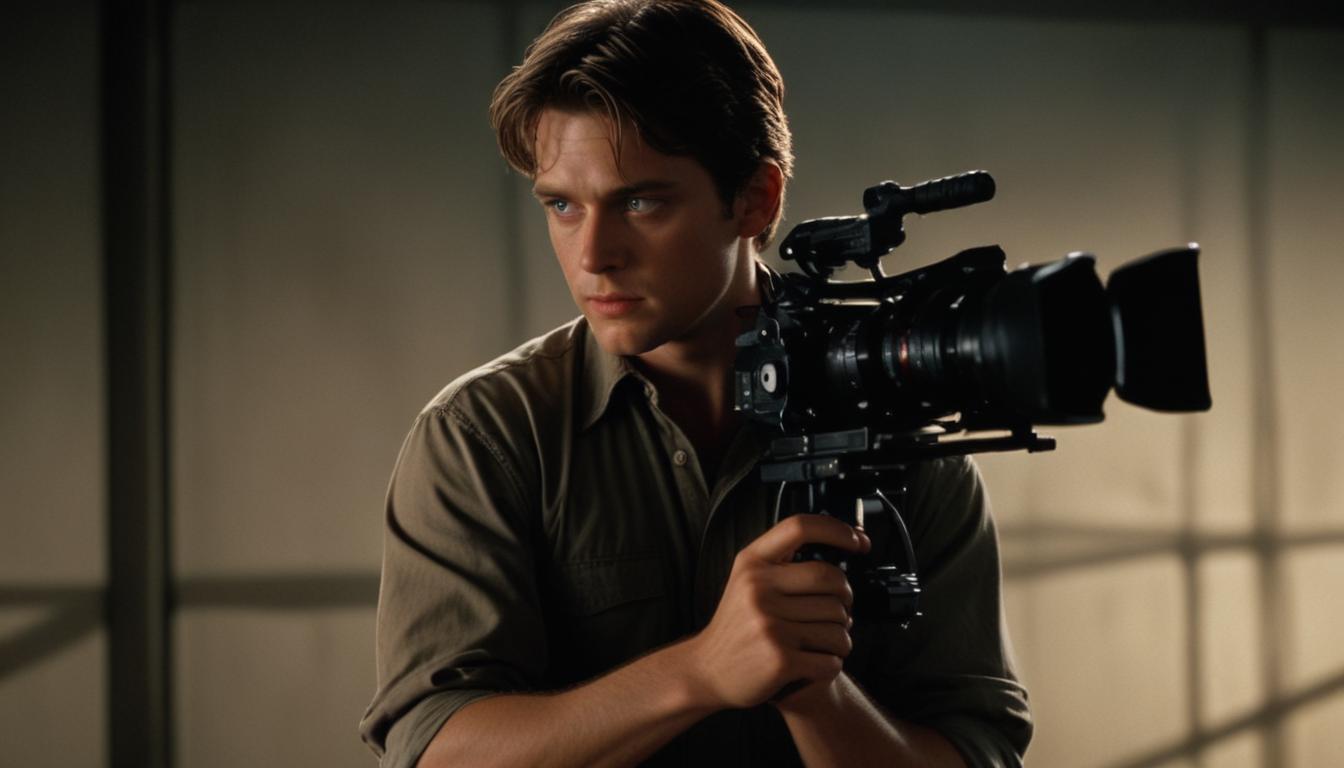
- defining cinematic brilliance
- iconic directors and their visual styles
- unforgettable color palettes in film
- the role of lighting in storytelling
- camera techniques that captivate
When discussing what makes a film truly remarkable from a visual standpoint, the idea of cinematic brilliance often emerges as a central theme. At its core, cinematic brilliance is about the seamless blend of storytelling and visual execution, where every frame is imbued with purpose. It’s not merely about what looks beautiful on screen; it’s about how those visuals contribute to the emotions, themes, and narrative arcs of the film. Some of the most visually stunning movies achieve this by transforming their cinematography into a language of its own, speaking to the audience in ways that dialogue and plot cannot fully articulate.
The best cinematography often begins with a deep collaboration between the director, cinematographer, and production design team. Together, they craft a vision where every element — from the framing and composition to the use of natural or staged lighting — works harmoniously to draw the audience into the world of the film. The most celebrated films, known for their cinematic visuals, strike a balance between the technical and the emotional. For instance, in “Blade Runner 2049,” Roger Deakins masterfully uses light and shadow to create a dystopian, yet mesmerizing, atmosphere that mirrors the existential struggles of the characters. Here, the visuals don’t just serve as a backdrop; they are a vital part of the story, subtly guiding the audience through its deeper layers.
Another component of defining cinematic brilliance lies in how the camera interacts with its subjects. Precision in framing can elevate even the simplest of scenes into a visual masterpiece. This is evident in “The Grand Budapest Hotel,” where Wes Anderson’s meticulous compositions and symmetrical shots create a visually satisfying experience that complements the whimsical yet poignant nature of the narrative. The camera’s movements — whether fluid tracking shots or intentional stillness — help convey the emotional tone of the moment, ensuring that each scene resonates on a visual and visceral level.
It’s also worth noting the importance of innovation and risk-taking in defining what makes a film stand out visually. Filmmakers who push the boundaries of traditional cinematography often leave a lasting impact on the industry. Take “Gravity” as an example, where Emmanuel Lubezki’s pioneering use of long takes and immersive, zero-gravity camera work redefined how space itself could be captured on film. The end result is a breathtaking experience that not only showcases technical prowess but also keeps the audience deeply engaged with the survival journey of its central characters.
Ultimately, cinematic brilliance is about creating an indelible visual experience that lingers in the audience’s minds long after the credits roll. Whether it’s through striking imagery, innovative techniques, or deeply atmospheric settings, the best cinematography transforms films into works of art. Each frame becomes a canvas, painted with thought, care, and creativity, elevating the movie beyond entertainment into a profound visual encounter.
iconic directors and their visual styles
Some of the most visually stunning movies owe their impact to the unmistakable signature of their directors — artists who fuse their storytelling sensibilities with a distinct visual style. These auteurs don’t just create films; they create experiences, where their unique stamp on cinematography transforms each frame into a carefully curated piece of art. It’s not merely about crafting beautiful images but about creating a visual identity that resonates with the narrative, characters, and emotions of the film. Each choice — from the placement of the camera to the use of color and movement — reflects their creative vision, leaving behind an indelible mark on cinematic visuals.
Take for instance Stanley Kubrick, a filmmaker widely celebrated for his obsessive attention to detail and impeccable framing. His dedication to symmetrical compositions and one-point perspective shots has become iconic, offering a sense of order and foreboding that aligns with the themes of isolation and control in films like “The Shining.” The combination of haunting lighting setups, bold color contrasts, and Kubrick’s careful manipulation of depth highlights his unparalleled ability to use visual storytelling as a narrative device. It’s the reason why his films continue to be studied as benchmarks of the best cinematography in cinematic history.
On the other hand, directors like Terrence Malick take a more fluid and intimate approach to their visual style. Known for his use of natural light and freeform, almost ethereal camera movements, Malick creates films that feel like poetic meditations on human existence. Works like “The Tree of Life” capture the grandeur of the cosmos while juxtaposing it with the fragility of human life. The result is awe-inspiring imagery that invites viewers to reflect on their place in the universe. With cinematographers like Emmanuel Lubezki by his side, Malick crafts some of the most visually stunning movies that blur the line between narrative and visual poetry.
Similarly, the visionary style of Christopher Nolan has carved a distinct space in modern filmmaking. With films such as “Inception” and “Dunkirk,” Nolan’s partnership with cinematographer Hoyte van Hoytema has resulted in visual compositions that are as striking as they are inventive. Nolan’s love for practical effects, combined with intricate camera movements and his penchant for IMAX photography, immerses audiences in sprawling narratives that feel both large in scale and deeply personal. His use of light, texture, and sharp contrasts keeps viewers visually and emotionally engaged, further cementing his mastery of cinematic visuals.
Wong Kar-wai, often revered for his lush and melancholic aesthetic, takes a completely different yet mesmerizing approach. His films, such as “In the Mood for Love,” utilize richly saturated colors, slow motion, and tight framing to evoke longing and nostalgia. Collaborating with cinematographer Christopher Doyle, Wong deliberately uses shadow and texture to reflect the emotional undercurrents of unspoken desires and fleeting moments. Every frame is drenched in atmosphere, making his work unforgettable for fans of visually stunning movies.
The hallmark of iconic directors lies in their ability to push the boundaries of what the camera can achieve and how it can communicate. Through innovation, experimentation, and a deep collaboration with their cinematographers, these filmmakers redefine what it means to combine substance and style. Their visual storytelling is not just a backdrop for the narrative—it becomes an integral layer of meaning, a silent language that speaks to the viewer on a subconscious level. It is this fusion of technical mastery and artistic vision that cements these directors as architects of the best cinematography in the art form.
unforgettable color palettes in film
Color serves as one of the most potent tools in a filmmaker’s arsenal, capable of influencing mood, drawing attention to details, and enhancing the emotional depth of a story. Many of the most visually stunning movies achieve their impact through unforgettable color palettes, where each hue feels deliberate, each shadow intentional, and every shade contributes to the storytelling. These meticulously designed palettes transform the best cinematography into a canvas of emotions, merging visual artistry with narrative intent.
Consider the vibrant color palette in “La La Land,” where director Damien Chazelle and cinematographer Linus Sandgren created a dreamlike atmosphere rooted in the nostalgia of classic Hollywood musicals. From the saturated yellows and blues of the opening freeway scene to the warm, golden glow that bathes Mia and Sebastian during their iconic dance under the stars, every frame feels meticulously styled. These colors not only create a heightened sense of romance but also underline the film’s themes of ambition, love, and missed opportunities. The result is a cinematic visual feast that remains etched in the viewer’s memory.
On the other end of the spectrum, the muted yet deliberate colors of Denis Villeneuve’s “Blade Runner 2049” craft a dystopian world that feels eerily alive. Roger Deakins’ Oscar-winning cinematography constructs a desolate yet beautiful future, where neon oranges collide with icy blues to evoke the stark contrast between human warmth and the cold sterility of technology. These carefully chosen tones immerse the audience into the bleak yet captivating landscape, making the color palette itself a key player in the narrative. The film’s visual storytelling, embedded in its striking use of color, solidifies its place as one of the best cinematography showcases in modern filmmaking.
Wes Anderson, another filmmaker celebrated for his visually stunning movies, is renowned for his unapologetic love of color. “The Grand Budapest Hotel” exemplifies his distinctive approach to curated palettes, with pastel pinks, purples, and reds dominating the mise-en-scène. Anderson’s methodical use of these hues not only reinforces the whimsical nature of the story but also accentuates the bittersweet nostalgia that pervades the film. The vibrancy of the visuals perfectly complements the tonal shifts in the narrative, balancing humor with an underlying poignancy that feels uniquely Andersonian.
Diving into a more symbolic use of color, Zhang Yimou’s “Hero” employs an evolving palette that shifts to reflect the characters’ perspectives and the story’s emotional arcs. Boldly saturated reds, serene blues, and crisp whites dominate the film’s visual language, each representing differing interpretations of truth, loyalty, and sacrifice. Collaborating with cinematographer Christopher Doyle, Yimou treats every sequence as a visual poem, where the interplay of color and movement becomes an integral part of the storytelling. The film’s unforgettable palette elevates its cinematography to the level of fine art, capturing the soul of martial arts cinema with unparalleled elegance.
Some of the most innovative color palettes in film arise from a desire to evoke intensity and realism, as seen in George Miller’s “Mad Max: Fury Road.” The scorching oranges of the desert contrast sharply with the deep blues of twilight storms, creating a visceral, high-octane experience that mirrors the chaos and beauty of the story. Cinematographer John Seale and the design team leaned into the exaggerated saturation of these colors, ensuring that every frame pulses with energy and urgency. This bold approach not only enhances the film’s visual identity but solidifies it as one of the defining works of cinematic visuals in the action genre.
Ultimately, the thoughtful use of color palettes is a hallmark of the best cinematography, proving that the shades on screen are as critical as the dialogue spoken or the notes in the score. Whether it’s through subtle contrasts or dramatic explosions of hues, films that master color become unforgettable visual experiences. These palettes don’t merely decorate the screen; they serve as reflections of the characters’ journeys, evoking emotions and creating immersive worlds that linger in the audience’s imagination long after the credits have rolled.
the role of lighting in storytelling
Lighting is an essential tool in the art of filmmaking, allowing directors and cinematographers to communicate emotions, build atmosphere, and shape how audiences perceive a story. Whether it’s the soft glow of sunlight filtering through a window, the dramatic interplay of shadows in a noir film, or the harsh fluorescents of a gritty urban setting, lighting transforms ordinary scenes into powerful, evocative moments. It is one of the key ingredients that elevate a movie’s visual language, cementing its place among the most visually stunning movies. The role of lighting is not merely to illuminate a scene; it is to draw the viewer in and evoke a visceral response that words alone cannot achieve.
In “Schindler’s List,” the stark black-and-white cinematography crafted by Janusz Kamiński uses high-contrast lighting to evoke the bleakness and raw intensity of the Holocaust. The interplay of light and shadow across characters’ faces captures their emotional turmoil, while the infamous scene of the girl in the red coat, highlighted in Technicolor amidst a monochromatic backdrop, uses light and color to pierce through the audience’s heart. The carefully manipulated lighting not only makes the film visually unforgettable but also enhances its thematic gravitas, underscoring the humanity and inhumanity at its core. This is cinematography at its most artful, with lighting serving as a silent storyteller.
Similarly, Denis Villeneuve’s “Arrival” demonstrates how subtle, controlled lighting can create intimacy and mystery. Bradford Young’s Oscar-nominated cinematography uses diffused, natural light to create a sense of realism and vulnerability while wrapping the alien visitors in an almost otherworldly aura. The soft, muted tones amplify the emotional complexities of the narrative while maintaining a haunting, ethereal quality that defines the film’s atmosphere. The lighting choices emphasize the emotional journey of the protagonist, grounding the film even as it explores extraterrestrial themes, and solidifying its status as a masterclass in cinematic visuals.
Another example of lighting’s narrative power can be found in “The Godfather.” Gordon Willis, nicknamed the “Prince of Darkness,” used low-key lighting to create a visual language that reflects the moral ambiguity and shadowy dealings of the Corleone family. The dimly lit rooms and the way light falls unevenly across characters’ faces serve both as a stylistic choice and a metaphor for the blurred lines between loyalty, power, and crime. The deliberate use of shadows and chiaroscuro lighting gives the film an iconic aesthetic while enhancing the weight of its storytelling, ensuring its place among movies with the best cinematography.
In a completely different vein, the dazzling neon lights of Nicolas Winding Refn’s “Drive” transport viewers into the heart of Los Angeles at night. The film’s cinematographer, Newton Thomas Sigel, creates an electrifying contrast between the seductive, vibrant glow of the city’s nightlife and the underlying darkness of the story’s violence. The interplay of harsh artificial light and deep shadows immerses the audience in the duality of the protagonist’s calm demeanor and explosive outbursts. The radiant visual flair of “Drive” elevates it as one of the most visually stunning movies in recent years, with lighting playing a pivotal role in creating its hypnotic tone.
Another masterful interplay of lighting and storytelling can be found in “1917,” a film that mimics a continuous single take. Roger Deakins, renowned for crafting some of the best cinematography in modern cinema, uses lighting to define the film’s haunting World War I setting. From the golden glow of a burning village that bathes the protagonist in surreal hues to the stark, bleak daylight exposing the desolation of the battlefield, each lighting choice feels deliberate and emotionally resonant. Deakins manipulates both natural and artificial light to heighten tension and immerse the audience in the harrowing, yet oddly beautiful, journey of the characters.
Lighting is also central in creating the timeless magic of animated films like “The Lion King” or “Spider-Man: Into the Spider-Verse.” In these cases, digital lighting is carefully crafted to evoke mood, depth, and realism that rivals live-action photography. “Spider-Man: Into the Spider-Verse” in particular uses a stunning mix of vivid, comic book-inspired lighting and textures to breathe life into its characters and universe. This artistic approach not only enhances the film’s vibrant world-building but also helps it stand out as a unique triumph of cinematic visuals.
Whether it’s the subtle warmth of candlelight in Barry Lyndon’s period authenticity, the stark blue and red lighting of “Blade Runner 2049,” or the foreboding shadows of a psychological thriller like “Black Swan,” lighting remains an indispensable element in creating the best cinematography. Each decision regarding brightness, shadow, direction, and tone contributes to how a film feels to the audience. It bridges style and substance, ensuring that films are more than just visually stunning—they resonate deeply, lingering in the viewers’ minds long after the credits roll.
camera techniques that captivate
A film’s impact on audiences often hinges on its ability to immerse them, and much of this immersion stems from the techniques used to operate the camera. Camera movements, angles, and framing choices are the cornerstone of how stories are told visually, and they play a crucial role in creating some of cinema’s most unforgettable moments. The best cinematography is defined not only by how stunning the imagery is but also by how effectively the camera becomes a character in its own right—guiding emotions, shaping perspectives, and revealing truths in ways that dialogue or exposition cannot.
Take, for instance, the breathtaking use of the continuous shot, a technique that has evolved into one of the most powerful ways to convey realism and tension. Alejandro González Iñárritu’s “Birdman” exemplifies this brilliantly; the entire film is crafted to appear as though it unfolds in a single, unbroken take. Emmanuel Lubezki’s camera flows seamlessly through corridors, backstage areas, and city streets, creating an engrossing sense of immediacy and urgency. This daring approach to filming does not just impress through technical mastery—it immerses the audience into the psyche of the protagonist, making them feel the unraveling pressure along with him in real time.
Meanwhile, tracking shots have an unparalleled ability to heighten drama, and some of the most visually stunning movies shine because of their creative execution of this technique. In Martin Scorsese’s “Goodfellas,” the iconic tracking shot through the Copacabana nightclub is a masterclass in storytelling through movement. The camera’s unbroken path mirrors the main character’s rising confidence and influence, allowing the audience to experience the allure and chaos of his world from within. By placing viewers in Henry Hill’s shoes, Scorsese transforms what might have been a static scene into a vibrant, symphonic celebration of cinematic visuals.
Angles, too, contribute deeply to the emotional resonance of a film. Orson Welles’ “Citizen Kane,” often celebrated for its innovative camera use, combines extreme low-angle shots with deep focus to establish the film’s imposing themes of power and isolation. These angles, which position characters dramatically against vast, oppressive ceilings or in intense close-ups, underscore the protagonist’s ambition as well as his ultimate loneliness. This pioneering approach to cinematography shaped how generations of filmmakers think about framing and mise-en-scène, cementing the film as a classic example of the best cinematography in film history.
Unforgettable visuals also often stem from techniques that defy traditional filmmaking norms. Christopher Nolan’s “Dunkirk” makes strategic use of aerial cinematography to depict the vast scope and chaos of war. Hoyte van Hoytema’s use of IMAX cameras creates staggering, immersive shots of the Dunkirk beaches and dogfights in the sky. Yet, Nolan and van Hoytema balance these sweeping visuals with tightly framed, human-scale angles, toggling between the panoramic brutality of war and the individual harrowing experiences of those involved. This seamless symphony of scale and intimacy ensures its place as one of the most visually stunning movies of the 21st century.
Dynamic yet purposeful camera movements can enhance tension, and few directors understand this better than Alfred Hitchcock. His pioneering use of the dolly zoom in “Vertigo” distorts perception and tangibly portrays the protagonist’s acrophobia. This technique—often referred to as the “Vertigo effect”—continues to be a hallmark of suspenseful, psychological cinematography, utilized by countless directors looking to unnerve their audiences. It’s an enduring testament to how inventive camerawork can elevate the emotional stakes of a story, blending technical innovation with narrative purpose.
The application of handheld cameras represents another way to enhance immersion and realism, drawing viewers into the immediate experiences of characters. In Paul Greengrass’s “United 93,” the handheld visual style amplifies the urgency and stakes of its harrowing true story. The jittery, on-the-ground perspective conveys chaos and claustrophobia while lending an almost documentary-like authenticity to the film, transforming its visuals into an emotional powerhouse. This technique, when wielded artfully, makes the audience feel less like passive viewers and more like participants in the unfolding action.
Meanwhile, filmmakers like Terrence Malick revolutionize camera techniques through their use of naturalistic handheld styles and innovative angles that render each frame poetic. In “The Tree of Life,” Malick and Emmanuel Lubezki create fluid, dreamlike shots that hover, float, and glide in rhythm with the characters’ movements. These unconventional angles emphasize emotion over precision, resulting in some of the most visually stunning movies that blur the line between cinema and visual art. The camera becomes less of an observer and more an expression of the characters’ thoughts and memories, inviting viewers into the profound intimacy of the film.
Another revolutionary use of the camera can be found in Alfonso Cuarón’s “Gravity,” where long takes and unbroken sequences immerse viewers into the vast expanse of space. The camera spins, tilts, and moves weightlessly with Sandra Bullock’s character, mimicking the disorienting sensation of zero gravity. Such camerawork goes far beyond traditional techniques, pushing visual storytelling into the realm of sensory experience. Cuarón demonstrates how the camera itself can become part of the narrative, reshaping how audiences interact with cinematic visuals in innovative and emotional ways.
Ultimately, the camera isn’t just a tool that captures what unfolds in front of it; it molds the very essence of how a story is experienced. Through precise framing, experimental movements, and inventive techniques, filmmakers create a visual identity where every shot resonates with purpose. The best cinematography doesn’t merely document—it transforms, delivering unforgettable visuals that weave together the threads of emotion, narrative, and artistry into a seamless tapestry, leaving audiences captivated long after the story ends.
