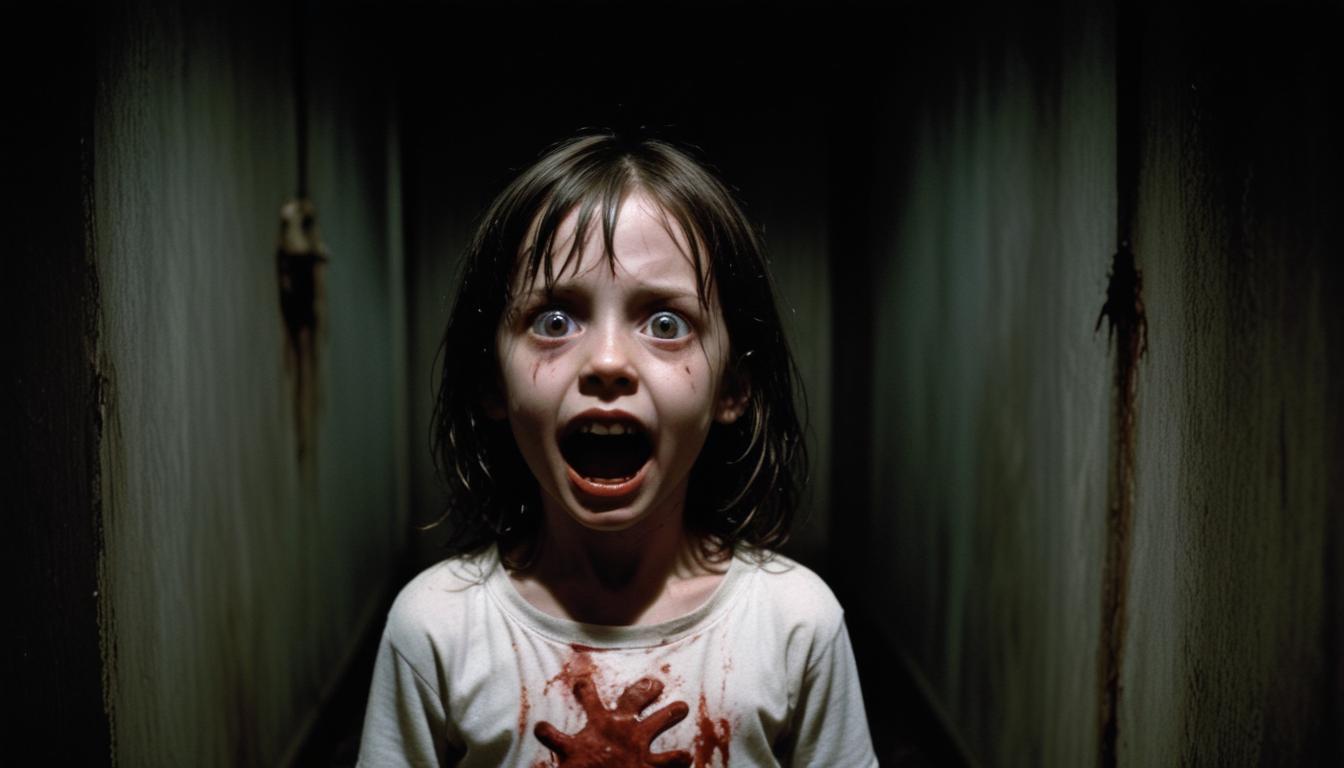
Horror classics set the foundation for what we now consider one of the most enduring and emotionally powerful genres in cinema. These films not only shaped our understanding of fear and suspense but also introduced many of the tropes and techniques still seen in scary movies today. From eerie atmospheres to psychological tension, these trailblazing works stand as time-tested pillars in the best spooky cinema.
One vivid example is Alfred Hitchcock’s *Psycho* (1960), a film that redefined horror by diving into the fractured psyche of its characters. Its iconic shower scene, with Bernard Herrmann’s jarring score, has since become one of the most recognizable moments in all of movie history. Similarly, George A. Romero’s *Night of the Living Dead* (1968) rewrote the rules for supernatural horror, popularizing the concept of zombies as flesh-eating creatures while weaving in subversive commentary on societal fears of the time.
Another cornerstone is *The Exorcist* (1973), frequently cited as one of the best horror films ever made. Arguably the first major blockbuster of the genre, its gripping story of demonic possession broke new ground in psychological and visual terror, with chilling performances and groundbreaking practical effects. Decades after its release, audiences continue to feel the impact of its harrowing set pieces and its theological exploration of good versus evil.
John Carpenter’s *Halloween* (1978) also deserves mention, as it gave birth to the modern slasher film, effectively introducing audiences to the indelible figure of Michael Myers. Carpenter’s sparse score, combined with his use of tight framing and lurking point-of-view shots, cultivated a tense, claustrophobic atmosphere that continues to inspire filmmakers today. Alongside this, *The Texas Chainsaw Massacre* (1974) brought raw intensity and grim realism to the genre, establishing itself as a cinematic endurance test with its unrelenting tone and gritty style.
These defining horror classics carry an ageless quality, their innovations and mastery of fear still resonating with both seasoned enthusiasts and newcomers alike. For anyone exploring the roots of horror films, these productions remain essential viewing, representing the stark brilliance of genre pioneers who understood that the scariest stories often hide beneath the surface of the familiar.
modern masterpieces
In recent years, the horror genre has experienced a revitalization, with filmmakers experimenting boldly to produce some of the most compelling and visually arresting works in its history. These modern masterpieces combine traditional scares with innovative storytelling, blending deeper character development, social commentary, and unparalleled artistry to create films that redefine what scary movies can achieve.
A prime example of this elevated approach is Jordan Peele’s *Get Out* (2017), which masterfully weaves psychological horror with biting social critique on race and privilege. Peele’s razor-sharp writing and unsettling tension culminate in a story that sticks with viewers long after the credits roll, proving that horror films can be as thought-provoking as they are terrifying. Similarly, *Hereditary* (2018) by Ari Aster has captivated audiences with its bleak exploration of grief and familial trauma, paired with atmospheric dread and harrowing performances, particularly from Toni Collette. This film solidified Aster’s reputation as one of the genre’s brightest contemporary auteurs.
Robert Eggers has also left an indelible mark with period-set psychological horror, as seen in *The Witch* (2015) and *The Lighthouse* (2019). These films embrace a slower pace and meticulous attention to historical detail, allowing unease to grow naturally from the isolation, paranoia, and primal fears of their settings. Eggers’ work demonstrates a commitment to crafting horror as an art form, ensuring that the best spooky cinema is not just frightening but also visually stunning and intellectually stimulating.
No discussion of modern horror would be complete without mentioning Mike Flanagan’s hauntingly beautiful storytelling, seen in films like *Doctor Sleep* (2019) and series such as *The Haunting of Hill House* (2018). Flanagan excels at intertwining supernatural elements with real-world emotional struggles, creating deeply human stories that also contain moments of shocking terror. His works remind us that the line between the internal and external horrors is often deliberately blurred in the most powerful scary movies.
Other recent heavyweights like *The Babadook* (2014) and *It Follows* (2015) showcase how innovation can transcend budgetary constraints. Jennifer Kent’s *The Babadook* delivers a gripping allegory on grief and mental illness, while David Robert Mitchell’s *It Follows* reinvigorates classic horror tropes with an eerie sense of lingering dread and an existential twist. Both films underscore how much modern horror prioritizes substance alongside style, crafting narratives that linger in the mind as much as they spark visceral reactions.
With such a surge of creativity in modern masterpieces, the genre continues to push boundaries and attract fresh talent ready to explore new pathways. Whether through allegory, atmosphere, or groundbreaking visuals, these films exemplify how the best spooky cinema can evolve while still tapping into timeless human fears.
cult favorites
Horror films with cult status often break away from genre norms, creating lasting impressions through their boldness, eccentricity, and ability to foster fiercely loyal fanbases. These movies may not achieve mainstream success upon release, but their unique qualities, whether unsettling, campy, or outright bizarre, ensure they leave an indelible mark on audiences and the best spooky cinema as a whole. Often celebrating creative risks and unconventional storytelling, these offerings earn their place as must-watch landmarks for horror aficionados.
One quintessential example is Sam Raimi’s *The Evil Dead* (1981), a low-budget marvel that redefined the boundaries of independent horror. With groundbreaking special effects, inventive camera work, and buckets of gore, it became the ultimate midnight movie and gave rise to the enduring character of Ash Williams, played by Bruce Campbell. Its blend of visceral horror and dark humor paved the way for the bizarre brilliance of its sequel, *Evil Dead II*, which leaned further into slapstick chaos while maintaining its horrifying core. Together, they demonstrate the enduring appeal of fearless creativity.
Another cult favorite deserving of recognition is Don Coscarelli’s *Phantasm* (1979), a surreal and dreamlike dive into the macabre. Its eerie villain, the looming and enigmatic Tall Man, along with the film’s iconic flying silver sphere, creates a sense of dread and fascination that captivates viewers decades later. The film straddles the line between nightmare logic and straightforward horror, offering a disorienting yet deeply atmospheric take on otherworldly terror.
*Rocky Horror Picture Show* (1975) deserves its place on the list, even as it treads the boundary between campy musical and spooky cinema. With its outlandish characters, unforgettable soundtrack, and boundary-pushing narrative, this cult classic embraced its weirdness unapologetically, sparking a community of fans who celebrate it with interactive midnight screenings to this day. Few films have transcended horror and cultural phenomenon status as deftly as *Rocky Horror*.
*Re-Animator* (1985), directed by Stuart Gordon, represents another key cult masterpiece, blending grotesque body horror with a twisted sense of humor. Loosely based on H.P. Lovecraft’s work, the film centers on the demented experiments of Herbert West, played with eerie charisma by Jeffrey Combs. Its unapologetic gore and tongue-in-cheek wit have made it a favorite among fans who appreciate horror that doesn’t shy away from absurdity.
For those seeking cult horror films that embrace the profoundly strange, *Hausu* (1977) stands out as a singular experience. This Japanese film defies explanation with its kaleidoscopic visuals, bizarre narrative, and surreal blending of comedy and horror. Directed by Nobuhiko Obayashi, *Hausu* showcases a wildly imaginative approach to the genre, offering a haunting, hilarious, and thoroughly unique adventure through the uncanny.
Lastly, *They Live* (1988) deserves a mention, as John Carpenter’s subversive mix of science fiction and horror builds on a foundation of biting social commentary. The infamous fight sequence between Roddy Piper and Keith David, coupled with clever one-liners and the unsettling revelation of a world controlled by subliminal messages, has earned the film a passionate following. Its timeless critique of consumerism and authority ensures its relevance and cult status persist today.
These cult favorites highlight how boundary-pushing ideas and offbeat visions can transform scary movies into something far greater than their modest origins. Not every horror film needs critical acclaim or a blockbuster budget to resonate; instead, these works achieve their lasting legacy by daring to be different, forging connections with audiences that appreciate their wildly creative spirit. Few entries in the best spooky cinema delight so fully in challenging conventions and embracing the strange quite like these unforgettable gems.
international standouts
One of the most exciting aspects of the horror genre is its ability to transcend cultural boundaries, delivering universal chills while incorporating the unique flavors of its country of origin. International horror films have introduced audiences to fresh perspectives, innovative storytelling, and unsettling imagery that redefine the best spooky cinema. Whether steeped in folklore, history, or avant-garde experimentation, these films have helped elevate the genre to new heights and captivated a global audience.
South Korea has solidified its reputation as a powerhouse of thrilling cinema, with *Train to Busan* (2016) standing out as a masterwork of zombie horror. Directed by Yeon Sang-ho, this adrenaline-pumping film deftly combines relentless action with deeply emotional storytelling, following a father and daughter’s fight for survival aboard a high-speed train during a zombie apocalypse. Its high-stakes tension and poignant exploration of sacrifice and humanity make it a standout not just in the zombie subgenre but in scary movies as a whole.
Japan‘s contributions to the genre are legendary, with works like Hideo Nakata’s *Ringu* (1998) leaving an indelible mark on international horror. The eerie tale of a cursed videotape that leads to death within seven days introduced the world to the terror of slow-building, psychological dread. Its minimalist approach and iconic antagonist, Sadako, have inspired countless imitations but remain unparalleled in their ability to evoke fear. Similarly, *Ju-On: The Grudge* (2002), directed by Takashi Shimizu, builds an oppressive atmosphere of doom through its non-linear storytelling and vengeful hauntings, cementing its place in the pantheon of the most terrifying horror films ever created.
In recent years, Southeast Asia has also emerged as a source of cinematic nightmares. Thailand’s *Shutter* (2004), directed by Banjong Pisanthanakun and Parkpoom Wongpoom, is a chilling exploration of guilt and vengeance. Its hair-raising depiction of a ghostly presence lurking in photographs bridged the gap between supernatural folklore and modern fears, ensuring its spot as one of the genre’s most unsettling offerings. Meanwhile, Indonesia’s *Satan’s Slaves* (2017), helmed by Joko Anwar, reimagines a classic 1980s horror film with a terrifying take on familial bonds and demonic forces, blending heartfelt storytelling with spine-chilling scares.
Europe has long been a hub for innovative horror, with films like Sweden’s *Let the Right One In* (2008) offering a tender yet horrifying perspective on vampires. Directed by Tomas Alfredson, this hauntingly beautiful story of a lonely boy and his peculiar, bloodthirsty neighbor combines elegant cinematography with a profound sense of melancholy, proving that horror films can be as emotionally resonant as they are bone-chilling. From Spain, *[Rec]* (2007) by Jaume Balagueró and Paco Plaza reinvigorates the found-footage genre, following a late-night TV crew trapped in an apartment complex overrun with terrifying creatures. Its claustrophobic tension and moments of sheer terror make it one of the best spooky cinema experiences of its era.
No discussion of international horror would be complete without mentioning Guillermo del Toro’s *Pan’s Labyrinth* (2006) from Mexico, which blurs the line between horror and fantasy. Set against the backdrop of post-Civil War Spain, the film intertwines a dark fairy tale with the grim realities of a violent regime. Del Toro’s masterful blend of grotesque creatures, eerie atmosphere, and heartbreaking storytelling solidifies its status as a modern classic.
India has also begun carving a niche in the genre, with films like the Malayalam-language *Ezra* (2017), directed by Jay K, exploring themes of possession and historical trauma. Much like many of its international counterparts, it showcases how cultural and regional specificities can breathe new life into familiar horror tropes while delivering scares steeped in local lore. Similarly, Iranian filmmaker Babak Anvari’s *Under the Shadow* (2016) has been hailed as a chilling psychological drama. Set in war-torn Tehran during the 1980s, it seamlessly blends real-world fears with supernatural menace, highlighting how horror can serve as both a mirror and an escape from collective trauma.
International horror films hold a unique allure, offering fans unfamiliar fears and diverse cultural contexts that expand the boundaries of what scary movies can represent. From the slow-burn terror of suspenseful ghost stories to the heart-pounding rush of creature features, these global gems enrich the best spooky cinema, proving that the language of fear is truly universal. Whether terrifying audiences with folklore’s dark legends or crafting allegories out of historical strife, these entries are essential viewing for aficionados who seek fresh and unforgettable takes on the genre.
underrated gems
When discussing horror films that have flown under the radar, there exists a treasure trove of overlooked masterpieces that deserve far more recognition than they’ve received. These underrated gems may not have commanded the cultural spotlight, but they deliver spine-chilling frights and unforgettable storytelling that rival the genre’s more prominent entries. Often blending fresh ideas with ambitious execution, these films showcase the boundless creativity of the best spooky cinema.
One such standout is *The Autopsy of Jane Doe* (2016), helmed by André Øvredal. This supernatural mystery centers on a father-and-son coroner duo who attempt to uncover the identity and cause of death of an enigmatic young woman brought into their morgue. As they delve deeper, the film’s claustrophobic setting amplifies the tension, while meticulously built dread erupts into chilling revelations. With its minimalist approach and stellar performances from Brian Cox and Emile Hirsch, this film demonstrates how atmosphere and pacing can turn a simple premise into something grotesquely captivating.
Similarly, *Lake Mungo* (2008) takes a deeply emotional approach to the horror genre, disguising itself as a faux-documentary about a family grieving the sudden, tragic loss of their teenage daughter. What unfolds is a meditative exploration of grief, secrets, and the possibility of life after death, interspersed with unexpected scares that linger long after the screen goes dark. Directed by Joel Anderson, this Australian film utilizes its grounded realism and slow-burn storytelling to evoke a haunting sense of unease, proving that horror can resonate deeply without the need for bombastic frights.
The science fiction-infused horror *Coherence* (2013), directed by James Ward Byrkit, also deserves its due praise. Made on a shoestring budget, this brain-bending tale revolves around a group of friends at a dinner party on the night of a mysterious astronomical event. When reality begins to fracture in increasingly sinister ways, the film morphs into a taut, nerve-rattling exploration of paranoia and identity. By leaning heavily on its clever script and raw performances, *Coherence* underscores how innovative storytelling can elevate scary movies, even with limited resources.
Another hidden gem is *Session 9* (2001), an unnerving psychological horror film set in an abandoned mental institution. Directed by Brad Anderson, the story follows an asbestos cleaning crew whose members are slowly driven to paranoia and madness as the building’s sordid history begins to take hold of them. The film’s oppressive atmosphere, aided by its unsettling setting and mounting psychological tension, makes it a nerve-wracking journey into the darker recesses of the human psyche. It’s a prime example of how horror thrives on the interplay between internal and external threats.
Fans of gothic horror should not overlook *The Others* (2001), directed by Alejandro Amenábar. While its critical acclaim and box office success were substantial at the time of its release, the film’s legacy has faded somewhat in recent years—a disservice to its brilliance. This haunting period piece builds fear through its reliance on shadows, whispers, and an agonizingly slow reveal of its secrets. Nicole Kidman’s tour-de-force performance elevates a story steeped in themes of loss and isolation, reminding us that some of the most chilling tales arise from the depths of human emotion.
Rounding out the list is *The House of the Devil* (2009), directed by Ti West. This retro-inspired love letter to 1980s horror expertly captures the aesthetic and mood of its influences while delivering a uniquely unsettling narrative. Following a cash-strapped college student who takes a babysitting job in a creepy, secluded mansion, the film draws viewers in with its deliberate pacing and escalating dread. When the third act finally explodes into chaos, it rewards patient audiences with a payoff as terrifying as it is satisfying. West’s craftsmanship here displays how commitment to tone and detail can render even a seemingly simple setup endlessly captivating.
These underrated gems exemplify the diversity and depth of scary movies, offering a reminder that some of the strongest entries in the genre remain hidden in the shadows, waiting for discovery. Whether through intricate plotting, emotional resonance, or innovative scares, these films contribute to the best spooky cinema in ways that are as thrilling as they are memorable. Exploring these hidden treasures can be a rewarding experience for any horror fan seeking fresh perspectives beyond the genre’s biggest blockbusters.
