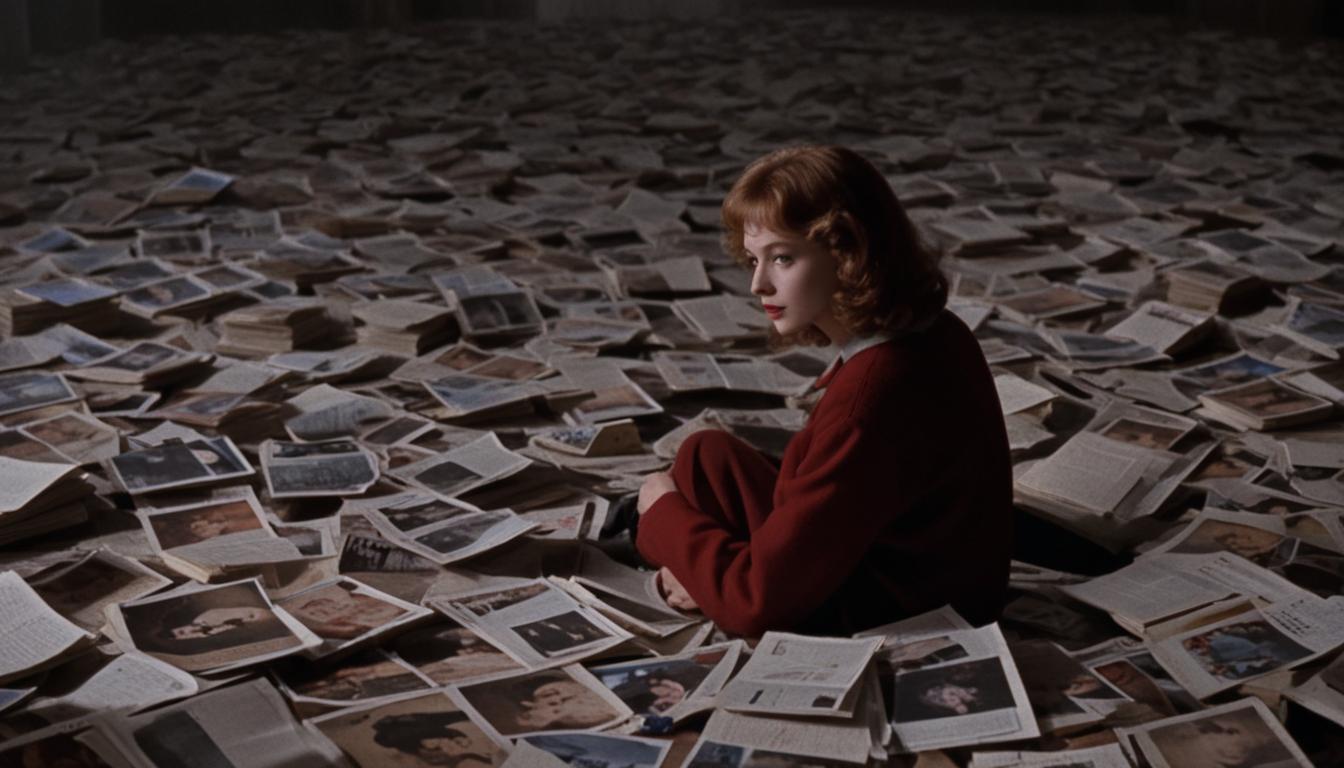
- classic mystery masterpieces
- modern tales of intrigue
- psychological mystery thrillers
- international mystery gems
- must-watch mystery series
Classic mystery masterpieces are the cornerstone of the genre. These films laid the foundation for the intricate plots and gripping storytelling that mystery lovers have come to adore. One cannot discuss this category without mentioning Alfred Hitchcock’s “Rear Window.” This timeless tale of voyeurism and suspense follows a wheelchair-bound photographer who suspects foul play in his neighbor’s apartment. The movie’s slow build-up of tension and masterful use of visuals make it an outstanding example of the “whodunit” tradition. Hitchcock’s direction ensures every glance, shadow, and silence keeps audiences perched on the edge of their seats.
Another iconic entry in this realm is Agatha Christie’s “Murder on the Orient Express” (1974). Directed by Sidney Lumet, this adaptation of Christie’s celebrated novel is a shining example of mystery films that combine a stellar ensemble cast with an intricately woven plot. Featuring the legendary detective Hercule Poirot, played by Albert Finney, the story delivers twist after twist as the passengers of the luxurious train reveal their connections to the murder victim. With its lavish setting and airtight narrative, this film remains a benchmark for cinematic adaptations of detective fiction.
Fans of noir cinema will find delight in the moody and atmospheric “The Maltese Falcon” (1941). Starring Humphrey Bogart as the cynical private investigator Sam Spade, the film is a textbook example of film noir, complete with shadowy visuals, morally ambiguous characters, and sharp dialogue. The plot centers on the search for a priceless statuette, but the real intrigue lies in the complex relationships and ulterior motives of the characters. This movie stands as a testament to how mystery films can perfectly blend suspense and style.
Perhaps one of the greatest examples of gripping storytelling in classic mystery cinema is “Laura” (1944). Directed by Otto Preminger, this film introduces audiences to Detective Mark McPherson, who becomes entangled in the mystery of Laura Hunt’s supposed murder. As he delves deeper into her life, an unexpected twist alters the course of the investigation. The movie’s haunting score, compelling characters, and surprising revelations make it an enduring favorite among fans of the genre.
These classics continue to captivate audiences with their timeless appeal, providing intrigue and inspiration for generations of filmmakers and viewers alike. They serve as a reminder of why mystery films hold such a cherished place in cinematic history, combining suspense, intellect, and emotional depth to create unforgettable stories.
modern tales of intrigue
The evolution of mystery films in recent decades has brought a fresh take on the genre, skillfully blending traditional narratives with modern storytelling techniques. One shining example is “Gone Girl” (2014), directed by David Fincher. This gripping tale of deception and media manipulation takes viewers into the complexities of a troubled marriage, where secrets unravel after Amy Dunne goes missing and her husband, Nick, becomes the prime suspect. With its shocking twists and razor-sharp commentary on perception versus reality, this film exemplifies why today’s audiences remain enthralled by whodunits with a contemporary edge. Fincher’s meticulous direction and Rosamund Pike’s chilling performance elevate it into a modern masterpiece.
Another standout is Rian Johnson’s “Knives Out” (2019), a vibrant whodunit that balances old-school detective work with a playful satirical tone. The plot centers on the mysterious death of a wealthy patriarch, with a cast of eccentric and deceitful family members all coming under scrutiny. Daniel Craig shines as detective Benoit Blanc, whose quirky charm offsets the tense and layered mystery. With its sharp wit, clever plotting, and fresh take on the murder-mystery formula, “Knives Out” rejuvenates the genre while honoring its classic roots. It’s a perfect example of how gripping storytelling can live on through reinvention.
Denis Villeneuve’s “Prisoners” (2013) offers a darker, more somber take on mystery and suspense. This harrowing film delves into the desperation of a father seeking his missing daughter and her friend. Hugh Jackman and Jake Gyllenhaal deliver powerhouse performances as the grieving father and obsessive detective, whose paths cross in a nail-biting investigation. The film’s haunting tone and moral ambiguity leave viewers questioning the limits of justice and personal resolve. Its deliberate pacing paired with stunning cinematography creates an atmosphere rife with tension, distinguishing it as one of the most powerful modern mystery films.
For fans of tech-driven, cyber intrigue, “The Girl with the Dragon Tattoo” (2011), also directed by David Fincher, stands out as an unrelenting exploration of crime and personal vengeance. Based on the acclaimed novel by Stieg Larsson, the movie introduces viewers to the enigmatic Lisbeth Salander, a hacker with a traumatic past, and journalist Mikael Blomkvist as they investigate a decades-old disappearance. The duo’s chemistry combined with a labyrinthine plot and Fincher’s meticulous approach results in a film packed with tension and unexpected turns. This film captures how modern mystery blends dark storytelling with razor-sharp intellect.
These contemporary gems reflect how the mystery genre continues to evolve while capturing the attention of a new era of cinephiles. Whether it’s through breathtaking aesthetics, clever twists, or rich character studies, modern mystery films take the timeless allure of the genre and magnify it to gripping effect. Each of these movies provides a unique lens into the human psyche, making modern tales of intrigue an unforgettable experience for audiences.
psychological mystery thrillers
Psychological mystery thrillers push the boundaries of traditional whodunits by diving into the darkest recesses of the human mind. These films are less about overt clues and more about unraveling the intricate, often disturbing psychological landscapes of their characters. Darren Aronofsky’s “Black Swan” (2010) is a brilliant example of how gripping storytelling can blur the line between reality and delusion. The plot follows Nina, a dedicated ballerina, as she strives to embody perfection in her pursuit of the lead role in “Swan Lake.” As the pressure mounts, the audience is thrust into her spiraling descent into madness, with every interaction and hallucination adding layers to the haunting mystery of her fractured psyche. Natalie Portman’s Academy Award-winning performance captures every nuance of Nina’s paranoia, ambition, and vulnerability, leaving viewers questioning what’s real and what’s a product of her unraveling mind.
David Lynch’s “Mulholland Drive” (2001) takes psychological mystery to surreal heights, leading viewers through a labyrinth of fragmented identities and cryptic events. Beginning as a seemingly straightforward story of an amnesiac woman and a hopeful actress trying to piece together her past, the narrative transforms into a disturbing puzzle that defies linear storytelling. Lynch masterfully employs dreamlike visuals and uncanny sound design to evoke a sense of unease, making it an unforgettable exploration of obsession, regret, and the haunting nature of unfulfilled desires. Every scene is imbued with symbolic undertones, making this film a quintessential choice for mystery enthusiasts who relish unraveling multi-layered enigmas.
One cannot overlook “The Sixth Sense” (1999) when discussing psychological thrillers that redefined mystery films. Directed by M. Night Shyamalan, this masterpiece is celebrated for its jaw-dropping twist that recontextualizes the entire narrative. It follows a troubled young boy, Cole, who claims to see and communicate with the dead, and his therapist, Dr. Malcolm Crowe, who is determined to help him. The film’s slow-burn tension and emotionally resonant performances by Haley Joel Osment and Bruce Willis keep viewers captivated, culminating in a chilling revelation that elevates this movie to iconic status. “The Sixth Sense” is a shining example of gripping storytelling that resonates even after the credits roll.
For fans of more claustrophobic tension, “Shutter Island” (2010), directed by Martin Scorsese, delivers a psychological mystery drenched in paranoia and uncertainty. Leonardo DiCaprio stars as U.S. Marshal Teddy Daniels, sent to investigate the disappearance of a patient from an asylum for the criminally insane. As Teddy delves deeper into the case, the lines between reality and illusion blur, with cryptic clues and ominous encounters suggesting a deeper conspiracy at play. Scorsese’s meticulous direction weaves a spellbinding tale of trauma and deception, with every frame hinting at the shocking revelations to come. This deeply atmospheric mystery thriller is a testament to the genre’s ability to keep viewers questioning everything.
Finally, Park Chan-wook’s “Oldboy” (2003) subverts traditional mystery tropes by blending psychological intensity with visceral revenge. The story revolves around Oh Dae-su, who is inexplicably imprisoned for 15 years and then suddenly released, with no clue as to who orchestrated his captivity or why. As he embarks on a quest for answers and vengeance, the film masterfully builds dread and suspense, slowly unveiling a tragic and deeply unsettling truth. The narrative’s psychological depth and shocking twists solidify “Oldboy” as a standout entry in mystery films, proving that exploring human motives can lead to some of the most harrowing and unforgettable cinematic experiences.
These psychological mystery thrillers highlight how intricate storytelling and a deep dive into character psyches can redefine audience expectations. By leveraging the complexities of fear, trauma, and perception, these films keep audiences clutching their seats, mesmerized by the perilous journey into the unknown territories of the mind.
international mystery gems
The realm of international cinema has long been a treasure trove for mystery enthusiasts, offering stories that are as culturally rich as they are narratively intricate. One standout is Bong Joon-ho’s “Memories of Murder” (2003), a South Korean masterpiece based on the true story of the country’s first recorded serial murders. The film follows two very different detectives attempting to solve the case, with their conflicting methods reflecting broader social tensions. Bong’s meticulous direction combines an atmospheric setting, dark humor, and poignant human drama, creating a mystery that is as emotionally impactful as it is gripping. The film’s haunting exploration of justice and futility leaves an indelible impression, solidifying its place among the greatest mystery films of all time.
Swedish cinema also brings its own brand of dark intrigue, most notably with the original adaptation of Stieg Larsson’s “The Girl with the Dragon Tattoo” (2009). Directed by Niels Arden Oplev, this film introduces viewers to the enigmatic hacker Lisbeth Salander and journalist Mikael Blomkvist as they investigate a long-unsolved disappearance. With its stark Nordic aesthetic, morally complex characters, and chilling revelations, this adaptation captures the essence of its source material. The gritty tension and compelling performances serve as a reminder of why Scandinavian thrillers have carved out such a significant place in the global mystery genre.
For mystery aficionados seeking masterful storytelling from the East, Akira Kurosawa’s “High and Low” (1963) remains a must-watch. This Japanese classic is a brilliant blend of crime drama and social commentary, following the kidnapping of a chauffeur’s child who is mistaken for the son of a wealthy businessman. Kurosawa’s use of tight, suspenseful pacing and dynamic camerawork creates a film that is both a riveting whodunit and a profound examination of morality, power dynamics, and class disparity. “High and Low” is a testament to how gripping storytelling can transcend cultures and leave a lasting mark on cinema worldwide.
From France, “Tell No One” (2006), directed by Guillaume Canet, further demonstrates how international filmmakers masterfully innovate within the mystery genre. Based on the novel by Harlan Coben, the film follows a pediatrician who becomes the prime suspect in his wife’s murder—only to receive a shocking email suggesting she may still be alive. With its relentless twists and emotional depth, the film skillfully balances gripping suspense with heartfelt human drama, making it essential viewing for anyone who appreciates tightly woven mystery films.
Another noteworthy gem is “The Wailing” (2016), a South Korean horror-mystery directed by Na Hong-jin. Set in a small village plagued by a string of strange and violent deaths, the story follows a local policeman desperate to unravel the supernatural and psychological elements behind these events. The film weaves folklore, spirituality, and paranoia together into a chilling tapestry that keeps audiences on edge until its shocking conclusion. Through its layered plot and spine-tingling atmosphere, “The Wailing” showcases the extraordinary potential of international mystery films to captivate and unsettle in equal measure.
These international gems demonstrate that the allure of mystery knows no borders. Each film leverages its unique cultural backdrop to craft gripping storytelling that resonates universally while offering fresh perspectives. Whether it’s through the brooding landscapes of Scandinavia, the intricate narratives of South Korea, or the poetic style of Japanese cinema, these stories remind us why the mystery genre remains a global phenomenon for seekers of suspense and intrigue.
must-watch mystery series
When it comes to gripping storytelling in the world of television, a handful of mystery series stand out as essential viewing for fans of intricate plots and gripping whodunits. These shows artfully stretch out mysteries across episodes—or even entire seasons—allowing for deep character development and intense narrative arcs that keep viewers eagerly coming back for answers.
One of the most celebrated entries in this sphere is “True Detective” (2014–). This anthology series redefined modern crime dramas, with its first season standing as a landmark in the genre. Matthew McConaughey and Woody Harrelson deliver unforgettable performances as a pair of detectives investigating murders with deeply unsettling undertones in rural Louisiana. What sets “True Detective” apart is its blend of philosophical dialogues, layered suspense, and haunting visuals. Each season offers a distinct mystery, but it’s the atmospheric sense of dread and the deeply flawed characters that make this show one of the finest examples of long-form mystery storytelling.
Another unmissable series is “Broadchurch” (2013–2017), a British drama that examines not only the mystery of a young boy’s murder in a quiet seaside town but also its profound emotional impact on the community. Starring David Tennant and Olivia Colman, this show masterfully builds suspense while also exploring themes of grief, family, and trust. Every episode peels back layers of the crime, revealing shocking truths about seemingly ordinary characters. With breathtaking cinematography and sharply written dialogue, “Broadchurch” epitomizes how mystery series can fuse gripping storytelling with emotional depth to produce truly unforgettable television.
For fans of darker, more complex narratives, “The Killing” (2011–2014) offers a slow-burn mystery ripe with twists and chilling turns. Set in the moody backdrop of Seattle, the show follows detectives Sarah Linden and Stephen Holder as they dig into murder cases that are anything but straightforward. The series is noted for its atmospheric tone and attention to the personal struggles of its protagonists, making it more than just a procedural. Whether it’s discovering the truth behind a crime or wrestling with their own demons, these characters make each episode feel urgent and compelling.
No conversation about must-watch mystery series would be complete without mentioning “Twin Peaks” (1990–1991; 2017). A landmark in television history created by David Lynch and Mark Frost, this series blends surrealism with intrigue in its exploration of the murder of high schooler Laura Palmer in a small, enigmatic town. From its quirky characters and eerie soundtrack to its dreamlike storytelling, “Twin Peaks” remains a cultural phenomenon. Its mix of humor, horror, and mystery influenced countless shows that followed, making it a must-see for mystery lovers looking to immerse themselves in something truly unique and unforgettable.
For global audiences, the Spanish series “Money Heist” (“La Casa de Papel,” 2017–2021) took the world by storm, mixing high-stakes heists with unrelenting tension. While primarily a crime thriller, the show’s multiple layers of mystery—particularly the intricate plans of its genius mastermind, The Professor—keep viewers guessing at every turn. The narrative’s juggling of shifting alliances, hidden motives, and unexpected revelations shows how mystery elements enrich other genres, making this series a standout even beyond traditional whodunit frameworks.
Finally, “Sherlock” (2010–2017) offers a modern reimagining of Sir Arthur Conan Doyle’s legendary detective. Benedict Cumberbatch’s portrayal of the brilliant yet socially distant Sherlock Holmes and Martin Freeman’s grounded Dr. Watson breathe new life into iconic stories. With its sleek visuals, witty scripts, and engaging mysteries, the series manages to capture the spirit of traditional detective fiction while appealing to a contemporary audience. Each episode is a finely crafted puzzle, making “Sherlock” an essential pick for anyone seeking cerebral thrills.
These must-watch mystery series demonstrate the evolving, versatile nature of the genre, proving that gripping storytelling and intricate mysteries are just as compelling on the small screen as they are in feature-length films. By immersing audiences in rich worlds filled with intrigue, these shows ensure that mystery fans have endless hours of thrilling content to devour.
