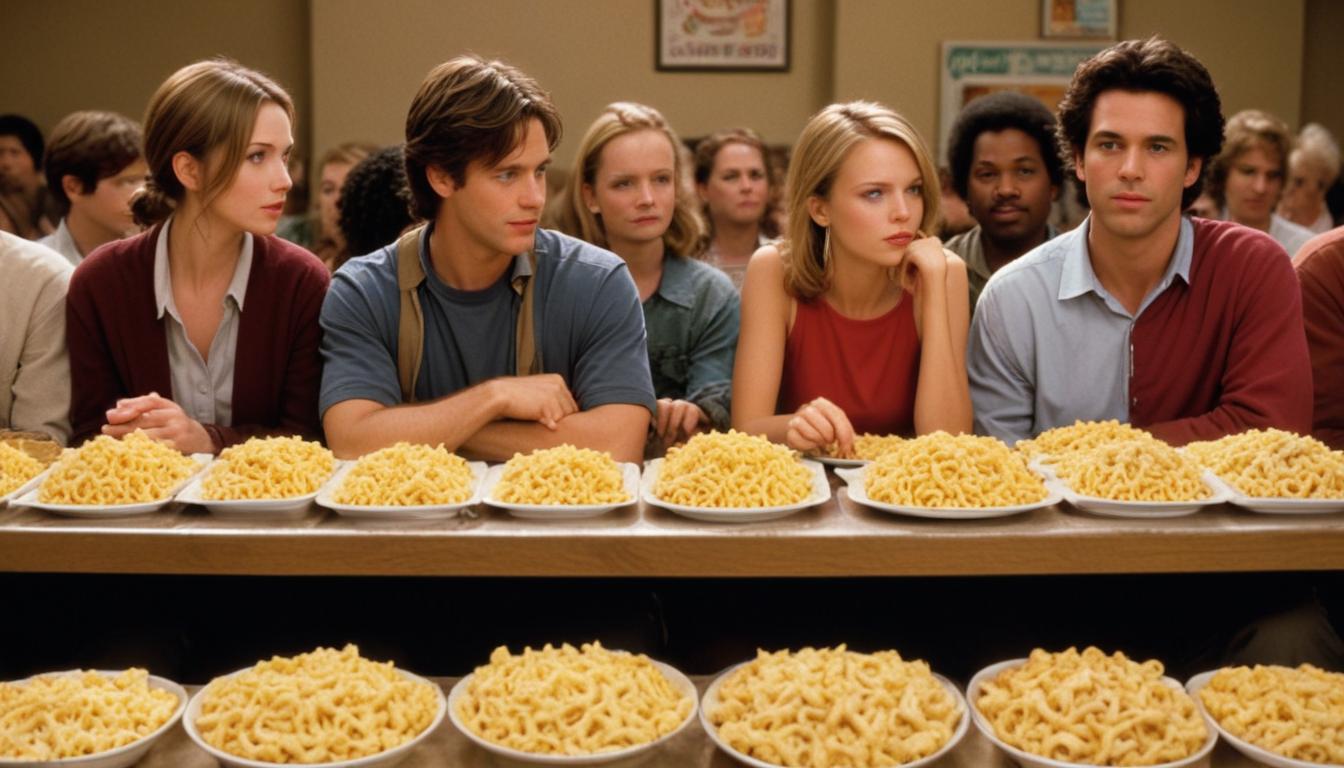
- celebrating culinary journeys
- iconic food scenes in film
- stories of passion and flavor
- cultures through cuisine
- delectable documentaries
There’s a unique magic in movies that take us on journeys through the world of food, whisking viewers away to exotic kitchens, vibrant street markets, and charming countryside estates. These foodie films don’t just offer tales of adventure but immerse us in the art, tradition, and transformative power of cooking. In these cinematic experiences, the food isn’t merely a prop—it becomes a character of its own, central to the emotional and sensory depth of the story.
Culinary movies like *Chef* encapsulate this sense of epicurean wanderlust. From the sizzling griddle of a food truck to the diverse flavors of New Orleans, the United States becomes a flavorful map, with every stop adding more color, texture, and spice to the story. Similarly, *Julie & Julia* takes audiences from modern-day Queens to Parisian kitchens of the past, blending two timelines into one savory celebration of French cuisine. Watching these films is like indulging in a feast; you taste the highs, the lows, and everything in between, all through the lens of food.
Then there’s *The Hundred-Foot Journey,* a delicious cinema gem that explores what happens when different culinary traditions collide. The film beautifully captures the contrast between haute French gastronomy and the bold, spicy flavors of Indian cooking. Through its characters’ culinary rivalries and eventual collaboration, the movie reinforces the universal language of food and its ability to bridge divides. These stories inspire us to explore not just recipes but also the cultures and people behind them, ensuring that a love for food becomes a love for its makers and their stories.
Foodie films often pair stunning visuals with deeply emotional narratives, as seen in *Eat Pray Love,* where Julia Roberts’ character digs into plates of Italian pasta as part of her journey of self-discovery. It’s impossible to watch the film without dreaming of breaking into a hearty cacio e pepe in a dimly lit Roman trattoria. Such movies remind us that food is more than sustenance; it’s an experience, a memory, and an expression of love.
Whether you’re a casual moviegoer or a dedicated food lover, these culinary movies invite you to pack your taste buds along for the ride. There’s always a new dish, a new destination, and a new story waiting to be discovered in the journey through delicious cinema.
iconic food scenes in film
Some of the most unforgettable moments in culinary movies are the iconic food scenes that stay etched in our minds long after the credits roll. These visually and emotionally charged moments have the power to make us crave a dish we’ve never tasted or bring back fond memories of meals shared with loved ones. In the world of delicious cinema, food doesn’t just sit on the table; it tells stories, reflects characters’ inner worlds, and transforms relationships. It’s no wonder that foodie films so often gravitate toward these pivotal moments to create lasting impressions.
Take, for instance, the perfectly choreographed preparation of the ratatouille dish in Pixar’s *Ratatouille*. As Remy the rat maneuvers skillfully through the kitchen, every chop, sauté, and garnish comes together in a heartfelt homage to the power of humble ingredients elevated through passion and creativity. The climax of this scene, when the gruff food critic Anton Ego takes a single bite and is transported to his childhood, captures the essence of culinary magic—the way a single dish can spark memories and soften even the hardest hearts.
Similarly, in *Goodfellas*, the seemingly mundane task of slicing garlic with a razor blade during a prison kitchen sequence becomes an unforgettable moment. The tender care and precision taken in preparing a simple meal reflect a sense of community, culture, and pride even in the most unlikely of places. It’s a vivid reminder that food is often a source of comfort and connection, bringing normalcy and joy even amid adversity. Moments like these underscore why foodie films resonate so deeply with audiences—they remind us of the universal humanity expressed through food.
And who could forget the vivid chocolate-making sequence in *Chocolat*? As Juliette Binoche’s character stirs luscious pools of molten chocolate, the camera lingers indulgently on the pouring, mixing, and tasting. This sequence doesn’t just showcase culinary artistry but also establishes a deep sense of sensuality and celebration. The transformative power of chocolate in the lives of the film’s characters emphasizes food’s role as a catalyst for change, healing, and celebration.
Food in film often transcends the plate to speak to something larger. In *Eat Drink Man Woman*, the opening scene in which a master chef meticulously prepares a traditional Taiwanese banquet is not only a visual feast but also an entry point into the complex emotions and familial bonds underlying the story. The attention to detail—the slicing, steaming, and seasoning—is almost meditative, and viewers can’t help but be swept into the rhythm of the kitchen and the unspoken communication it fosters.
Iconic food scenes are the reason delicious cinema holds such a special place in our hearts. They create moments where we can almost taste the flavors and feel the emotions radiating from the screen. Whether it’s the joy of experimentation, the comfort of tradition, or the allure of the exotic, these signature scenes have a way of leaving an indelible mark on our senses and our souls.
stories of passion and flavor
Culinary movies often explore the deeply personal and passionate relationships people have with food, weaving stories that blend creativity, resilience, and love. These films celebrate not just the act of eating but the emotions, bonds, and dreams that food evokes. It’s in these tales of passion and flavor that the heart of delicious cinema resides, reminding us why food is so inherently tied to the human experience.
One movie that exemplifies this is *Burnt*, starring Bradley Cooper as a brilliant but troubled chef trying to rebuild his career after hitting rock bottom. The film is a striking portrayal of both the intensity of the culinary world and the redemptive power of following one’s passion. From the precise plating of haute cuisine to the heated dynamics of a Michelin-starred kitchen, the movie captures the artistry and obsession that drives chefs to achieve perfection. Yet, it’s not just about food; *Burnt* delves into the inner struggles of its characters, showing how their craft becomes both a sanctuary and a battleground. This blend of emotional depth and culinary brilliance makes it a standout in the genre of foodie films.
Similarly, *Big Night* is another gem that masterfully balances passion, conflict, and the joy of culinary creation. The story revolves around two Italian immigrant brothers running a struggling restaurant and their ambitious plan to host a grand feast in hopes of reviving their business. The centerpiece of the film is the preparation of a glorious dish called timpano, a labor-intensive baked pasta dome that serves as both a metaphor for the brothers’ struggles and a testament to their love for their craft. Through its heartfelt storytelling and mouthwatering visuals, *Big Night* reinforces the idea that food is not just sustenance but a labor of love, driven by an unwavering commitment to excellence and creativity.
For a more romantic twist on food and passion, *Chocolat* offers a tale of transformation through indulgence and courage. Juliette Binoche’s character, an unconventional chocolatier, uses her creations to uplift a small French village stuck in its old ways. The seductive allure of chocolate becomes a symbol of freedom, boldness, and self-expression. With vivid imagery and a story built on bridging divides, it’s a prime example of how food can tell a tale far deeper than what’s on the plate, connecting characters through shared desires and new beginnings.
And then there’s *Tampopo*, a Japanese masterpiece often referred to as a “ramen Western.” This quirky and delightful film celebrates the pursuit of perfection in food, as the titular character works tirelessly to transform her small ramen shop into a haven of culinary delight. With its blend of humor, philosophy, and love for good food, *Tampopo* offers a heartfelt reminder of the dedication and soul that goes into making the simplest of dishes truly extraordinary. The film’s reverence for culinary craftsmanship will resonate with anyone who has ever poured their heart into their craft, making it a masterpiece of delicious cinema.
These movies don’t just showcase beautiful food—they dive into the emotion, determination, and passion that fuel the characters’ culinary dreams. Whether it’s a chef’s road to redemption, a family‘s fight for their culinary identity, or a celebration of individuality through chocolate or ramen, these stories of passion and flavor highlight the transformative power of food. They reinforce why culinary movies hold such a special place in the hearts of audiences, offering not just visual feasts but deeply human stories where food is the anchor of connection, ambition, and love.
cultures through cuisine
The intricate relationship between food and culture is beautifully portrayed in culinary movies that explore cuisine as both an art form and a medium for storytelling. These films highlight how the traditions and flavors of a region reflect its history, identity, and the souls of its people. Food becomes a bridge between generations, a keeper of memories, and an exploration of the ties that bind us to our roots. In the realm of delicious cinema, these films go beyond tantalizing visuals to reveal the profound connection between people and their culinary heritage.
*The Lunchbox* is a perfect example, offering a poignant tale of connection through food in the bustling chaos of Mumbai. Centered around an accidental exchange in the famously efficient lunchbox delivery system, the film captures the essence of Indian cuisine as both a deeply personal and communal experience. Each meal becomes a love letter from the heart of the cook, infused with spices, care, and memories. The movie’s quiet intimacy and longing remind viewers how food can transcend physical distances and create relationships even where none existed before.
Similarly, *Jiro Dreams of Sushi* celebrates the obsessive dedication of an artisan to preserving the purity and precision of Japanese sushi-making. This documentary doesn’t merely showcase the delicate cutting of fish or the perfect rolling of rice; it delves into the philosophy of mastery passed down through generations. Through Jiro Ono’s pursuit of perfection, the film paints a broader picture of Japanese culture, where respect for tradition and discipline melds seamlessly with artistry. It’s a love letter to the craft and a window into a cultural legacy meticulously maintained through food.
In *The Farewell*, food plays a quieter but equally significant role as a cultural unifier. The shared meals among an extended Chinese family become sacred rituals, spaces for laughter, love, and sorrow. The film’s depiction of banquet scenes captures the communal spirit intrinsic to Chinese culture, where dishes are shared family-style to signify unity and togetherness. The multigenerational interactions around the table exemplify the idea that food is more than sustenance—it is a vehicle for preserving traditions and passing them on to future generations.
Another standout in this category is *Babette’s Feast*, a Danish classic that explores the transformative power of food in bridging cultural divides. The story follows Babette, a French refugee who brings her culinary heritage to a reserved Danish village by preparing a lavish meal for the locals. Through her artistry, she introduces them to the sensual, joyful spirit of French cuisine while fostering newfound appreciation and connection. It’s a poignant meditation on how food brings people of different cultural backgrounds together, instilling mutual respect and understanding.
On a lighter but no less poignant note, *The Hundred-Foot Journey* shares a vivid portrayal of culinary fusion, where a migrant Indian family opens a restaurant across from a Michelin-starred French establishment in a quaint village. Fusing bold Indian spices with the sophistication of French gastronomy, the movie showcases how cuisines evolve when cultures intersect. The story emphasizes that the richness of culinary traditions isn’t diminished by collaboration; rather, it’s enriched, reaffirming food’s role as a universal language that celebrates diversity.
Foodie films that focus on culture through cuisine have a unique power to expand our understanding of the world. Whether it’s a tightly packed bento box from Japan, a copper pot of cassoulet simmering in France, or a steaming plate of biryani brimming with Indian spices, these dishes serve as symbols of identity, history, and pride. By letting us explore far-flung kitchen tables and traditions, these culinary movies remind us of the shared humanity found in the flavors and rituals of dining around the world. Delicious cinema like this opens our eyes—and our appetites—to the profound stories hidden within each meal.
delectable documentaries
Foodie films don’t just entertain—they educate, inspire, and open our eyes to the often-unseen artistry and dedication behind the food we consume. Delectable documentaries shine a spotlight on the real-life stories of individuals, communities, and traditions that make the culinary world so endlessly fascinating. These films aren’t bound by scripts or actors; instead, they delve into the heart of the kitchen, revealing the authentic struggles, joys, and triumphs of those who live to create, innovate, and savior. For food lovers, they provide a deeply satisfying behind-the-scenes look into what truly goes into every bite.
One of the most celebrated documentaries in the world of delicious cinema is *Jiro Dreams of Sushi*. A mesmerizing peek into the life of Jiro Ono, a revered Japanese sushi master, this film transports viewers into the delicate, disciplined world of sushi-making. From the perfectly measured grains of rice to the meticulously sourced fish, Jiro’s work is nothing short of an existential pursuit of perfection. Yet, this documentary extends beyond the preparation of food; it’s a meditation on dedication, legacy, and the lifelong pursuit of excellence, capturing the very essence of Japanese culture’s relationship with food. It reminds audiences that passion, discipline, and tradition elevate cuisine into an art form.
For a more modern exploration of the culinary world, films like *Chef’s Table*—a masterfully crafted series—bring vividly intimate portraits of globally renowned chefs to the screen. From kitchens buried deep in nature to bustling urban landscapes, the series illuminates the diverse approaches to food while offering stunning visuals that capture the colors, textures, and movements of dishes being prepared. Each episode feels like a love letter to culinary dreams and innovation, showcasing how each chef’s unique journey shapes their approach to cuisine. The series reminds us that food goes beyond sustenance—it’s storytelling on a plate.
An equally powerful documentary is *The Biggest Little Farm,* which explores sustainability and its role in the future of food production. While not exclusively about culinary arts, this film illustrates the deep connections between nature, farming, and the food we eat. Chronicling the trials and triumphs of creating a fully sustainable farm over eight years, it gives viewers a newfound appreciation for the toil and care that goes into providing fresh, flavorful, and responsible ingredients. The breathtaking visuals and uplifting narrative broaden the idea of what food culture encompasses—teaching us that our connection to the land is just as vital as our time in the kitchen.
Meanwhile, *Somm* ventures into the exquisite yet high-pressure world of master sommeliers. This wine-focused documentary pulls back the velvet curtain on the intense study and skill required to achieve the title. Following a group of candidates as they prepare for one of the hardest exams in the world, it immerses viewers in the nuances of wine, pairing, and tasting. As you see these passionate individuals swirl, sniff, and sip, you come to appreciate wine not just as a beverage but as a deeply cultural and sensory experience that complements the world of food so perfectly. It’s a thrilling reminder that food and drink are inextricably linked in the tapestry of fine dining.
Finally, no list of delectable documentaries would be complete without mentioning *Street Food*. A spin-off from the creators of *Chef’s Table*, this series takes a more intimate approach, focusing on the unsung culinary heroes of street kitchens around the world. From the mouthwatering snacks of India and Thailand to the sizzling grills of Mexico, it shines a light on the culinary passion found in street stalls, where tradition, innovation, and family heritage blend seamlessly. Each episode reminds viewers that great food isn’t confined to fine dining restaurants—sometimes, it’s crafted with love in a tiny cooking cart that nourishes not just appetites but entire communities. It’s a powerful portrait of how food goes beyond flavors, connecting people to their roots and each other.
Delectable documentaries immerse us in the beauty, complexity, and humanity of food. They tell stories that inspire us to think deeper about the meals we eat, the people behind them, and the environments that grow and sustain them. From showcasing the art of sushi, to illustrating the beauty of a street-side taco, or exploring what it takes to grow a sustainable world, these culinary movies capture the heart and soul behind every plate. Delicious cinema like this fosters respect and awe for the culinary world, leaving every foodie craving both flavors and the stories behind them.
