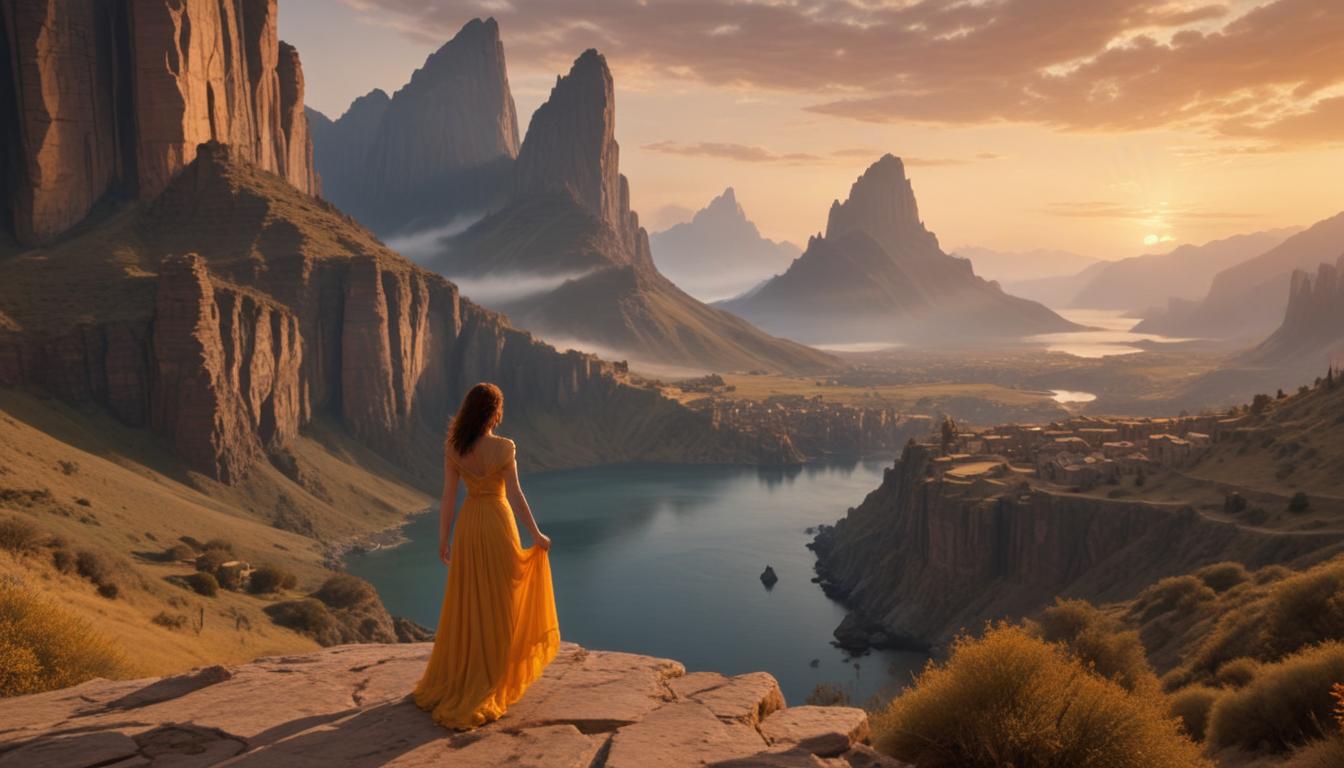
- exploring iconic historical settings
- capturing nature’s raw beauty
- showcasing exotic urban landscapes
- embracing remote and untouched locales
- revisiting dreamy coastal escapes
Few things draw audiences into a story quite like iconic historical settings brought vividly to life on the silver screen. These cinematic backdrops not only support the narrative but transport viewers to another time, making them feel as though they are walking among ancient ruins or witnessing pivotal historical moments. Among the most stunning examples is the majestic Colosseum in Rome, featured in the Oscar-winning epic “Gladiator.” With its towering arches and weathered grandeur, the Colosseum added authenticity to the film’s depiction of Ancient Rome, immersing audiences in a world of gladiatorial combat and imperial politics. This is one of those timeless beautiful movie locations that even today lures film fans and history buffs to explore its real-life remnants.
Similarly, the ancient city of Petra in Jordan has provided the perfect dramatic scenery for films like “Indiana Jones and the Last Crusade.” The Treasury, a breathtaking rock-carved structure, became an unforgettable part of the film’s quest for the Holy Grail. Its intricate architecture and sense of mystery have left such a lasting impression that countless visitors make their way to this UNESCO World Heritage Site every year, inspired by its cinematic scenery. Few places combine history and adventure so seamlessly, making it both a travel-worthy film destination and a historical treasure.
For those captivated by medieval history, the fortified city of Aït Benhaddou in Morocco offers another unforgettable connection between film and reality. Featured in productions such as “Gladiator” and “Game of Thrones,” this ancient settlement, with its earthen architecture and dramatic desert surroundings, perfectly epitomizes the powerful allure of historical settings. Its cinematic charm underscores not just the visual storytelling on screen but its ability to evoke a sense of timelessness. Visiting Aït Benhaddou feels like stepping into a living museum, a place where past and present blur in the most enchanting way.
And who could overlook the haunting beauty of Schindler’s Factory in Kraków, Poland, as shown in “Schindler’s List”? While the story itself is somber and deeply moving, the historical setting adds an indelible layer of realism to the film. Now turned into a museum, this location serves as a poignant reminder of history’s weight while also standing as an example of how film can bring historical events to a global audience.
These films prove that some of the most breathtaking cinematic scenery resides in the real-world places where history lives and breathes. Whether it’s soaring ancient columns, mysterious desert cities, or carefully preserved sites of human triumph and tragedy, each brings us closer to the past while showcasing the enduring beauty of these locations. They’re not only beautiful movie locations but also time capsules that continue to captivate and inspire. For cinephiles and travelers alike, these sites transform screen dreams into travel-worthy films and destinations, blending storytelling with historical exploration in unforgettable ways.
capturing nature’s raw beauty
Some of the most visually arresting moments in cinema occur when a movie highlights the raw, untamed beauty of nature. These scenes transport audiences to places where humanity is dwarfed by the scale and splendor of the natural world. One unforgettable example can be found in “The Lord of the Rings” trilogy, filmed across the verdant landscapes of New Zealand. From sweeping shots of rolling green hills to the snow-capped peaks of the Southern Alps, the films showcased the country’s striking diversity and vastness. Fans of these epic tales have since flocked to explore iconic spots like Fiordland National Park and Tongariro National Park, making New Zealand synonymous with Middle-earth—a cinematic scenery that feels almost otherworldly.
Equally breathtaking is the awe-inspiring expanse of Monument Valley, featured prominently in classics such as “Stagecoach” and “The Searchers.” Located on the Arizona-Utah border, this iconic landscape of towering sandstone buttes and vast desert plains has become the quintessential backdrop for western dramas. The timeless beauty of this location, untouched by modernization, creates a perfect canvas for stories of frontier adventure. Its stark yet majestic terrain not only captivates audiences but also draws countless visitors eager to step into what feels like a movie set come to life. It’s more than a filming location—it’s a travel-worthy destination, steeped in cinematic history.
Then there’s the mesmerizing power of Iceland’s wild beauty, as featured in films like “Interstellar” and “The Secret Life of Walter Mitty.” The country’s dramatic landscape—marked by volcanic craters, glittering glaciers, and thundering waterfalls—adds an ethereal quality to every story it graces. Scenes from “Interstellar,” shot on the black sand beaches and glacial plains near Svínafellsjökull, perfectly capture the stark isolation of distant planets. Meanwhile, “The Secret Life of Walter Mitty” uses the otherworldly charm of locations like Stykkishólmur and Vatnajökull to symbolize personal growth and discovery. For adventurous cinephiles, Iceland offers the ultimate fusion of stunning visuals and real-world experiences, embodying the spirit of beautiful movie locations that ignite wanderlust.
In “The Revenant,” the untamed wilderness of Alberta, Canada, takes center stage. The film’s unflinching commitment to authenticity placed the harsh, wintry landscapes front and center, turning the cold forests and icy rivers into characters as crucial as the actors themselves. These remote, untouched surroundings were captured in such vivid detail that viewers felt transported, their senses awakened by the sheer force of nature on display. The Canadian Rockies and Kananaskis Country, in particular, deliver an unparalleled sense of wilderness, making them unforgettable additions to the pantheon of travel-worthy films.
For audiences and travelers alike, these films remind us of the overwhelming beauty and scale of the natural world. From pristine forests to alien-like volcanic terrain, these places prove that nature itself can be the most breathtaking protagonist in any story. As cinematic scenery, these locations don’t just support a narrative; they create an experience so vivid and captivating that seeing them on screen only scratches the surface of what they offer in real life. Stunningly beautiful movie locations like these inspire adventure and exploration, urging us to connect deeply with the planet’s raw, untamed beauty.
showcasing exotic urban landscapes
Few cinematic experiences rival the intrigue and energy of films set in vibrant urban landscapes that feel dynamic and alive. These movies often use the bustling charm of exotic cities, blending architecture, atmosphere, and culture into an unforgettable visual tapestry. A prime example is the glittering cityscape of Tokyo, Japan, in Sofia Coppola’s “Lost in Translation.” The film captures the enchanting chaos of Tokyo’s streets—neon-lit alleys, bustling crosswalks like Shibuya Crossing, and tranquil moments in serene temples—all of which perfectly complement the protagonist’s emotional journey. As viewers are immersed in the nocturnal beauty of the city’s cinematic scenery, they are left craving a visit to experience this mixture of modernity and tradition firsthand.
Similarly, the vibrant energy of Marrakech, Morocco, steals the show in the spy drama “Mission: Impossible – Rogue Nation.” With its maze-like souks, bustling markets, and intricate tile-adorned riads, the city provides a strikingly exotic backdrop for the film’s high-octane action sequences. Marrakech exudes an old-world mystique, creating an ideal setting for shadowy exchanges and thrilling chase scenes. Tourists often visit this destination drawn not only by its connection to cinema but by its palpable sense of history and culture woven into every corner—a testimony to the allure of beautiful movie locations that inspire wanderlust and adventure.
In contrast, the futuristic cityscapes of Singapore dazzled audiences in “Crazy Rich Asians.” Scenes set in the lavish Marina Bay Sands, with its iconic rooftop infinity pool, and breathtaking shots of the Supertree Grove in the Gardens by the Bay underscore the city’s striking blend of nature, innovation, and opulence. Singapore emerges as more than just a setting—it becomes an aspirational destination, showing how travel-worthy films can propel viewers to explore glamorous urban locales for themselves.
Another unforgettable urban backdrop is the vibrant city of Rio de Janeiro, Brazil, featured in “The Incredible Hulk” and “Fast Five.” Rio’s sprawling favelas, with their colorful homes stacked against lush mountains, juxtaposed with iconic landmarks such as Christ the Redeemer, create a visually arresting environment. The city pulses with life, energy, and intensity, all of which lend themselves perfectly to action-packed storytelling. Rio’s role in these films not only highlights its cinematic appeal but also showcases its cultural richness, solidifying its place among stunningly beautiful movie locations that leave an indelible impression.
Even the streets of Paris, captured with poetic elegance, have earned their status as true cinematic scenery. Woody Allen’s “Midnight in Paris” paints the City of Light with a nostalgic glow, bringing its cobblestone streets, charming cafés, and the banks of the Seine to life. Each frame drips with timeless romance, making Paris feel less like a location and more like a supporting character. Paris, often regarded as the ultimate travel-worthy film destination, continues to captivate audiences and visitors alike with its enduring global appeal.
These films transport us to urban landscapes that are as diverse as they are inspiring. From modern metropolises ablaze with lights to historical cities steeped in tradition and character, each destination amplifies the storytelling while showcasing the beauty of its culture and architecture. Cinephiles seeking real-world connections to their favorite movies will find these stunning locales as enthralling in person as they are on screen, proving once again that beautifully crafted urban settings are the ultimate blend of art, escapism, and travel inspiration.
embracing remote and untouched locales
Some of the most memorable cinematic scenery comes from films that dare to venture into remote and untouched locales, where the landscapes themselves tell a story. These places, often hidden far from the bustling rhythms of modern civilization, provide breathtaking backdrops that transport audiences into worlds where nature reigns supreme. One such awe-inspiring location is the mountainous wilderness of Patagonia, split between Argentina and Chile, as featured in films like “The Motorcycle Diaries.” Its rugged terrain, glacial lakes, and sweeping vistas evoke a sense of raw beauty and solitude that perfectly complements the film’s themes of personal discovery and journey. For travelers, Patagonia embodies the dream of escaping into unspoiled nature, making it a prime example of how beautiful movie locations can inspire exploration.
Equally mesmerizing is the otherworldly Wadi Rum desert in Jordan, often nicknamed “The Valley of the Moon.” Seen in epic productions such as “Lawrence of Arabia,” “The Martian,” and “Dune,” this vast expanse of red sand dunes and towering sandstone cliffs feels almost extraterrestrial. Its untouched beauty has made it a cinematic favorite for portraying alien planets and remote, isolated landscapes. Exploring this desert in real life offers an unforgettable way to connect with one of the most iconic travel-worthy films in cinematic history. Whether under the blazing sun or a star-strewn night sky, Wadi Rum’s scenery is as stunning in person as it is on screen, a true testament to its otherworldly allure.
The island of Skellig Michael off the coast of Ireland also ranks as one of the most strikingly remote filming locations. This UNESCO World Heritage Site, with its rugged cliffs and dramatic isolation in the Atlantic Ocean, became an iconic part of “Star Wars: The Force Awakens” and “The Last Jedi.” Its ancient monastery and untouched landscapes give it an almost mythical quality on screen, making it a destination that feels more imaginary than real. Visiting this wind-swept island, with its steep rocky steps and panoramic views, feels like stepping directly into the Star Wars universe, a unique experience for movie lovers and adventure seekers alike.
Moving to the stark beauty of Siberia, the movie “Siberiade” captures the vast solitude of the Siberian forests and tundra. These remote landscapes, with endless horizons and untouched wilderness, perfectly mirror the emotional and physical struggles portrayed in the film. For travelers with a taste for true seclusion and adventure, Siberia offers an opportunity to witness cinematic scenery that feels boundless and timeless—an expansive canvas of nature that leaves visitors in awe.
No discussion of remote and untamed filming sites would be complete without mentioning the wild landscapes of Namibia, as seen in “Mad Max: Fury Road.” The Namib Desert, with its rolling red dunes and desolate beauty, provided the post-apocalyptic setting for George Miller’s high-octane masterpiece. The parched, endless desert emphasizes both the fragility and resilience of life, creating unforgettable visual moments on screen. Namibia’s barren beauty attracts adventurers who wish to experience firsthand the stark, cinematic scenery immortalized in one of the most visually stunning and travel-worthy films of recent years.
These films remind us of the allure found in untouched corners of the planet—areas where silence, isolation, and natural grandeur converge to create something truly transcendent. These remote filming locations not only elevate the stories they accompany but inspire travelers to step off the beaten path in search of adventure. Beautiful movie locations like these awaken the explorer within us, inviting us to experience their magic in person and marvel at the natural wonders captured so vividly on film.
revisiting dreamy coastal escapes
Few genres of cinematic scenery resonate as deeply as those that transport us to dreamy coastal destinations, where the rhythmic crashing of waves and sun-soaked horizons create unforgettable backdrops. One such breathtaking location is the Amalfi Coast of Italy, immortalized in films like “The Talented Mr. Ripley” and “Under the Tuscan Sun.” With its pastel-colored villages clinging to steep cliffs and the sparkle of the Mediterranean below, the Amalfi Coast imbues these stories with a mix of romance, mystery, and allure. This location epitomizes travel-worthy films, inspiring viewers to experience the bliss of Italian coastal living firsthand, whether through leisurely strolls in Positano or savoring fresh seafood along the azure shoreline.
Equally magical is the Greek island of Santorini, which provided the idyllic setting for “The Sisterhood of the Traveling Pants” series. With its iconic whitewashed buildings, bright blue domes, and sweeping views of the Aegean Sea, Santorini serves as more than a film location—it becomes a character in the story. Its sun-drenched beauty and intimate connection to the human spirit offer travelers the chance to step into their favorite cinematic scenes while enjoying some of the most stunningly beautiful movie locations in the world.
For fans of tropical paradise, the Hawaiian Islands have played host to countless films, but few have showcased their beauty quite like “Forgetting Sarah Marshall.” Filmed on the lush beaches of Oahu and Maui, the movie captures the serenity of turquoise waters, dramatic cliffs, and swaying palm trees that define Hawaii’s enduring charm. Likewise, “Pirates of the Caribbean: On Stranger Tides” highlights the wild perfection of Molokai and Kauai’s untouched shores, reminding audiences of nature’s power to inspire awe. These screen-ready locations not only charm moviegoers but also call adventurers to explore their splendor in real life, bridging the gap between fiction and wanderlust.
Across the globe, Australia’s Whitsunday Islands provided the canvas for “Fool’s Gold,” with its golden sands and crystal-clear waters enhancing the treasure-hunting adventure of its characters. This archipelago, which nestles near the Great Barrier Reef, epitomizes cinematic scenery that feels both otherworldly and accessible. From snorkeling through coral reefs to basking on Whitehaven Beach—one of the most photographed beaches in the world—this movie destination inspires countless travelers to follow in its sandy footsteps.
Perhaps no coastal film destination has captured hearts as universally as the beaches of Thailand, particularly Maya Bay on the island of Ko Phi Phi Leh, made famous by “The Beach” starring Leonardo DiCaprio. Encircled by towering limestone cliffs and ringed by turquoise waters, this serene paradise radiates a sense of adventure and discovery. Though overtourism temporarily closed Maya Bay to visitors, its undeniable allure as one of the most beautiful movie locations ensures it will forever remain a dream spot for wanderlust-fueled travelers.
Whether it’s a windswept Greek island, a sun-kissed Pacific shore, or a cliffside Mediterranean village, films that feature coastal escapes have an unparalleled ability to evoke feelings of freedom, romance, and possibility. These travel-worthy films remind us to slow down and savor life while urging us to explore the world’s shoreline treasures in their full, stunning authenticity. For cinephiles and adventurers alike, these coastal escapes are portals to both the big screen and real-world beauty, where every sunset feels like the perfect fade to black.
