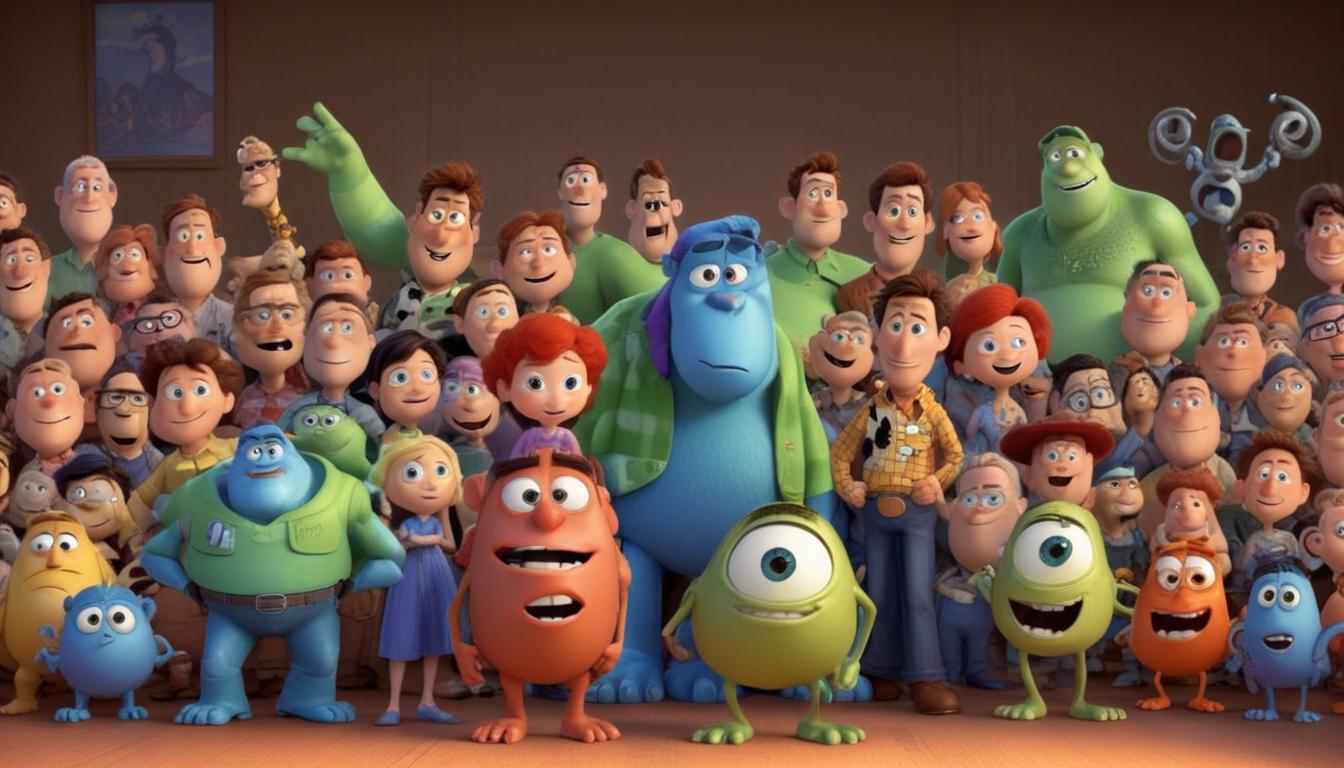
- standout classics
- unforgettable characters
- visual storytelling mastery
- emotional themes explored
- audience favorites ranked
When it comes to standout classics, Pixar Films has consistently delivered animated masterpieces that resonate across generations. These are the type of productions that have not only cemented their place as family-friendly movies but also earned acclaim from critics and audiences alike for their ingenuity, creativity, and heart. Examples like “Toy Story” and “Finding Nemo” showcase Pixar’s ability to craft immersive worlds filled with emotion and adventure. These films are more than just entertainment; they are cultural touchstones that define what animated classics truly mean.
One hallmark of these timeless creations is their ability to balance universal themes with imaginative storytelling. “The Incredibles,” for instance, redefined the superhero genre by blending thrilling action sequences with relatable family dynamics, while “Up” enchanted viewers with its poignant portrayal of love and loss—all within the first few minutes. Whether it’s through anthropomorphic robots in “WALL-E” or the emotional journey inside a teenager’s mind in “Inside Out,” Pixar has proven its unparalleled capacity for creating stories that linger in the minds of viewers long after the credits roll.
Another reason Pixar films are regarded as standout classics lies in their meticulous attention to detail, from character design to environmental world-building. Pixar doesn’t just create visual wonders; it crafts believable universes that feel alive. In “Monsters, Inc.,” for example, the vibrant city of Monstropolis transports audiences to a world both whimsical and engaging, while “Ratatouille” transforms an animated version of Paris into a bustling, romantic dreamscape. These immersive worlds help anchor the emotional stories at their core, making them even more impactful and memorable.
Ultimately, the enduring appeal of Pixar’s standout classics lies in their ability to entwine artistry, humor, and heart. These films remain touchpoints in cinematic history, reminding us why Pixar set the bar so high for family-friendly movies and animated storytelling. Audiences turn to these tales not only for their dazzling visuals and clever humor but for the deep emotional connections they create, ensuring they remain evergreen favorites in households around the globe.
unforgettable characters
Pixar Films is synonymous with unforgettable characters that are as iconic as they are relatable. From the enthusiastic sheriff Woody and the adventurous Buzz Lightyear in “Toy Story” to the curious fish Nemo and his overprotective father Marlin in “Finding Nemo,” these characters go beyond mere drawings on a screen. They are brought to life with rich personalities, distinct quirks, and deeply human emotions, making them resonate with audiences of all ages. Each character has a purpose, anchoring the story in a way that turns animated classics into heartfelt experiences.
What makes Pixar’s characters particularly memorable is their complexity and growth. Take Joy and Sadness from “Inside Out,” for example. Though they embody seemingly opposite emotions, their journey to understand the value of each other’s presence highlights Pixar’s commitment to multidimensional storytelling. Similarly, in “Up,” Carl Fredricksen’s gruff exterior and Russell’s relentless optimism create a bond that is both heartwarming and humorous, demonstrating how unlikely friendships can lead to transformative adventures. These character arcs serve as emotional bridges, drawing audiences into their worlds and showing that even the most fantastical stories are grounded in genuine human experience.
Pixar also excels in creating non-human characters that feel utterly real. The lonely robotic protagonist of “WALL-E” manages to tug at viewers’ hearts with only his expressive eyes and a few simple sounds, proving that powerful storytelling doesn’t always require dialogue. Likewise, Remy the rat from “Ratatouille” turns the concept of a rodent in the culinary world into a story about passion, determination, and the courage to defy expectations. These anthropomorphic creations not only captivate audiences but remind us of universal truths—be it about chasing dreams, overcoming obstacles, or finding love in unexpected places.
Part of what makes these characters unforgettable is Pixar’s meticulous approach to crafting every detail, from their design to their voice performances. Legendary talent like Tom Hanks, Ellen DeGeneres, and Ed Asner lend their voices to these creations, enhancing their authenticity and charm. Moreover, the animators imbue the characters with subtle gestures and expressions that mirror the complexities of real people, making their struggles and triumphs deeply relatable. Whether it’s Mater’s endearing clumsiness in “Cars” or Elastigirl’s impressive feats in “The Incredibles,” every moment feels genuine and impactful.
Through its dedication to developing dynamic and unforgettable characters, Pixar has redefined family-friendly movies. These are not just figures on a screen—they are companions, role models, and even reflections of ourselves. It’s this commitment to emotional depth and authenticity that ensures Pixar’s animated classics continue to leave an enduring mark on viewers, young and old. Pixar Films has shown us time and again that while visuals make a movie captivating, it’s the characters who make it unforgettable.
visual storytelling mastery
Pixar Films has long been celebrated for its ability to tell stories visually, crafting moments that leave audiences spellbound without the need for excessive dialogue or exposition. From the very beginning, this hallmark of their animated classics has set the studio apart, showing that emotion, humor, and narrative depth can be conveyed with just the right imagery, timing, and music. Perhaps the most iconic example of this is the opening sequence of “Up,” where Carl and Ellie’s life together is beautifully told through a wordless montage. In just a few minutes, Pixar delivers a poignant portrayal of love, loss, and the passage of time, all while connecting with viewers on an incredibly personal level. This mastery of visual storytelling elevates family-friendly movies far beyond mere entertainment, creating emotional experiences that resonate deeply.
The same approach can be seen in “WALL-E,” where the first half of the film unfolds almost entirely without dialogue. Instead, the story relies on the expressive movements and adorably clunky sounds of the titular robot, as well as the haunting beauty of a desolate Earth. The barren landscapes, contrasting with WALL-E’s quiet hopefulness, tell a tale of environmental neglect and enduring optimism more powerfully than any spoken words could. Similarly, in “Finding Nemo,” the vibrant underwater scenes do more than just dazzle the eyes—they define the characters’ emotional states. For instance, the ominous, shadowy depths of the ocean reflect Marlin’s fear and uncertainty, while the colorful coral reef serves as a symbol of wonder and possibility. Every frame is deliberate, creating a visual language that draws the audience deeper into the world of the characters.
Pixar’s use of visual storytelling isn’t just limited to emotion—it also drives the humor and charm of their movies. Consider how the animators use physical comedy in films like “The Incredibles,” where Dash’s high-speed antics and Elastigirl’s stretchable problem-solving result in clever, wordless gags that bring the house down with laughter. In “Toy Story,” subtle visual cues, such as Woody’s envious side-glances or Buzz Lightyear’s oblivious self-importance, tell us everything about their characters’ evolving personalities without the need for explanation. This blend of humor and heart through visuals is what makes Pixar’s family-friendly movies so universally engaging, as they effortlessly speak to both children and adults alike.
Music also plays a crucial role in Pixar’s visual storytelling mastery, working hand-in-hand with the imagery to deepen emotional connections. Composer Michael Giacchino, responsible for scores in films like “Up” and “Inside Out,” often crafts melodies that perfectly echo the on-screen action. For example, the soft, hopeful notes of Carl lifting his house via balloons in “Up” communicate a sense of adventure tinged with melancholy, while in “Inside Out,” the music seamlessly transitions between Joy’s upbeat enthusiasm and Sadness’s more contemplative tone. These musical accompaniments amplify the emotions conveyed visually, ensuring that every scene leaves a lasting impression on viewers.
Moreover, Pixar empowers its visual storytelling by embedding small, meaningful details that reward close observation. In “Coco,” for instance, the bustling, intricate beauty of the Land of the Dead underlines the celebration of Mexican culture and tradition, while subtly depicting the interconnectedness of family ties. In “Ratatouille,” the way Remy handles food—juxtaposing his small, precise movements with the chaotic world of the kitchen—reinforces his identity as a dreamer who thrives on creativity. By using details like these, Pixar transforms their animated classics into immersive experiences, ensuring their stories are imbued with authenticity and greater emotional depth.
In every movie, Pixar Films demonstrates an unparalleled ability to use visuals as a profound storytelling tool, proving time and again that animation is a true art form. Whether it’s through breathtaking landscapes, nuanced character actions, or music that harmonizes with every frame, Pixar elevates family-friendly movies to a form of high cinematic art. It’s this commitment to creating emotionally powerful and visually captivating narratives that has rightfully earned Pixar its place as a pioneer in the world of animation. These are not just films to be watched—they are to be felt, experienced, and cherished for generations to come.
emotional themes explored
Pixar Films has a unique ability to explore emotional themes that resonate deeply with viewers, transcending age and cultural boundaries. Their animated classics aren’t just movies—they’re mirrors reflecting the most profound aspects of the human experience, often woven seamlessly into fantastical and imaginative tales. One of the studio’s hallmarks is its ability to tackle topics that might seem heavy for family-friendly movies, but they do so with such finesse that audiences leave theaters both entertained and enriched. Whether it’s grappling with themes of loss, identity, mental health, or love, Pixar consistently delivers relatable, heartfelt stories that strike universal chords.
In “Inside Out,” for example, Pixar cracks open the inner workings of a child’s mind and turns intangible emotions into vivid, relatable characters. By placing Joy and Sadness at the forefront, the film unveils an important message: that it’s okay to feel sadness, and that emotional complexity is an essential part of life. Such a nuanced take on mental well-being helps children and adults alike process their feelings in a more accepting way, making “Inside Out” not just an animated classic, but an important cultural touchstone.
Similarly, “Coco” delves into themes of family and memory, exploring the tender balance between honoring loved ones who have passed and forging one’s path in life. The film’s depiction of death and the afterlife is both vibrant and reverent, offering a poignant reminder of how storytelling and tradition keep our connections alive. The emotional weight of “Coco” is heightened in its climactic moment when Miguel sings “Remember Me” to his great-grandmother, underscoring how love and music bridge even the widest divides. These deceptively simple yet powerful moments exemplify Pixar’s ability to explore deep emotional themes without losing their family-friendly appeal.
Pixar’s willingness to dive into the ache of loss and the pain of saying goodbye is perhaps most evident in the “Toy Story” franchise. Each installment grows with its audience, tackling themes of letting go, belonging, and finding purpose. The ending of “Toy Story 3,” with Woody, Buzz, and the gang being passed down to a new owner, is a potent metaphor for moving on—a bittersweet yet necessary part of life. Rather than shying away from these adult emotions, Pixar embraces them, ensuring that both young and older audiences walk away with tears in their eyes and hearts full of understanding.
Another standout example of emotional authenticity is “Up,” which compresses the story of Carl and Ellie’s life into a four-minute montage that captures the joys and heartbreaks of a lifelong partnership. This sequence explores love, loss, and dreams deferred with such raw honesty that it’s impossible not to feel moved, reminding us of the fleeting yet beautiful nature of life. By the time Carl embarks on his adventure, the emotional investment in his journey feels personal, as if viewers themselves are carrying Ellie’s spirit alongside him.
Pixar’s strength lies in its ability to make even the most imaginative stories feel deeply human. Think of the relationship between Marlin and Nemo in “Finding Nemo,” which is a heartfelt metaphor for the challenges parents face in learning to let go and trust their children. Or look at “WALL-E,” where a lonely robot’s longing for connection mirrors humanity‘s own universal desire for love and companionship. Even in these fantastical settings, the emotional throughlines are undeniably authentic, proving that family-friendly movies can be just as introspective and powerful as live-action dramas.
The studio also knows how to balance these emotional undertones with lightheartedness and hope, ensuring the films resonate without becoming overwhelming. For instance, in “Monsters, Inc.,” the bond between Sulley and Boo brings forth themes of attachment and sacrifice, but it’s paired with plenty of humor and whimsy, allowing viewers to appreciate the depth without being weighed down. This careful balance is part of what makes Pixar’s animated classics so timeless—they spark both laughter and tears, ensuring an emotional experience that feels complete.
Pixar Films continues to redefine the boundaries of family-friendly movies by weaving complex, emotional themes into their narratives. Whether focusing on the bittersweet nature of growing up, the power of love and memory, or the importance of acknowledging every emotion as valuable, their films resonate long after the credits roll. These stories do more than entertain; they encourage audiences to reflect on their own lives and relationships, making Pixar’s contributions to the world of animated classics both groundbreaking and profoundly meaningful.
audience favorites ranked
When it comes to ranking audience favorites among Pixar Films, the task is both daunting and delightful. Over the years, Pixar has carved out a reputation for creating animated classics that resonate with every generation, earning devoted fans across the globe. From adventurous tales to deeply emotional journeys, each film holds a special place in the hearts of viewers. But among the studio’s extensive catalog of family-friendly movies, certain entries have stood out, captivating audiences like no other.
At the top of many lists is “Toy Story,” Pixar’s groundbreaking debut and the first-ever fully computer-animated feature film. Its legacy as both a nostalgic treasure and a cinematic revolution places it firmly as an all-time favorite. The original story of Woody, Buzz, and the gang introduced viewers to the magic of Pixar’s storytelling, one that’s rich in humor, adventure, and heartwarming friendship. Over the years, each sequel has expanded its emotional depth, but it’s the universal appeal of the characters and their journey in the first “Toy Story” that many fans hold dearest.
Equally celebrated is “Finding Nemo,” a masterpiece of vibrant animation and heartfelt narrative. Its universal theme of parental love and the quest to reunite a family touched audiences of all ages, making it a standout among family-friendly movies. From the lush coral reefs to the vast, intimidating ocean, the film not only dazzled visually but also delivered memorable characters like the forgetful yet endearing Dory, who later earned her own audience-favorite spinoff, “Finding Dory.” Few animated classics have left as indelible a mark on popular culture as “Finding Nemo,” making it a perennial choice for Pixar fans.
For those drawn to emotional storytelling, “Up” often ranks near the top. Its unforgettable opening sequence, chronicling Carl and Ellie’s love story, resonated so powerfully that it became an instant cultural touchstone. The film’s blend of poignant themes and whimsical adventure—complete with talking dogs, a floating house, and an eccentric explorer—created a fanbase that regards it as one of Pixar’s finest contributions to film. It’s this unique balance of joy and heartbreak that keeps “Up” resonating with audiences worldwide.
Another longtime fan favorite is “The Incredibles,” Pixar’s foray into the superhero genre, made special by its rich character dynamics. Viewers were enthralled not just by the Parr family’s superpowers but by their relatable struggles as a family trying to balance everyday life with extraordinary adventures. The film’s blend of action, humor, and heartfelt moments struck a chord across generations, and when its sequel arrived 14 years later, audiences flocked to theaters in record-breaking numbers, proving its enduring popularity.
For younger and older audiences alike, “Coco” took its place among Pixar’s most beloved works. Its breathtaking animation, vibrant depiction of Mexican culture, and profound exploration of family ties and legacy resonated deeply. The emotional weight of its climactic scenes, particularly Miguel’s heartfelt rendition of “Remember Me,” solidified its position as more than just a family-friendly movie; it became a cherished celebration of life, memory, and love. “Coco” is one of those rare animated classics that feels both deeply personal and universally relatable, further enhancing its status as a fan favorite.
No conversation about audience favorites is complete without mentioning “Monsters, Inc.” and its unique charm. From the lovable dynamic between Sulley and Mike to the unforgettable laughter (and a few tears) inspired by Boo, the film’s narrative of friendship and courage has made it a nostalgic favorite for many early Pixar fans. Its prequel, “Monsters University,” may not have achieved the same universal acclaim, but the original remains a cornerstone of Pixar’s storytelling legacy.
Of course, ranking audience favorites always stirs vibrant debate, as everyone’s connection to these animated classics is deeply personal. Whether it’s rooting for Lightning McQueen in “Cars,” getting swept up in Remy’s culinary dreams in “Ratatouille,” or marveling at the futuristic commentary in “WALL-E,” each Pixar film brings something unique to the table. Their family-friendly movies are celebrated not just for their cinematic artistry but for the countless memories they’ve created for fans over the years. Ultimately, the variety of audience favorites underscores Pixar’s unparalleled ability to craft stories that are both timeless and universally loved.
