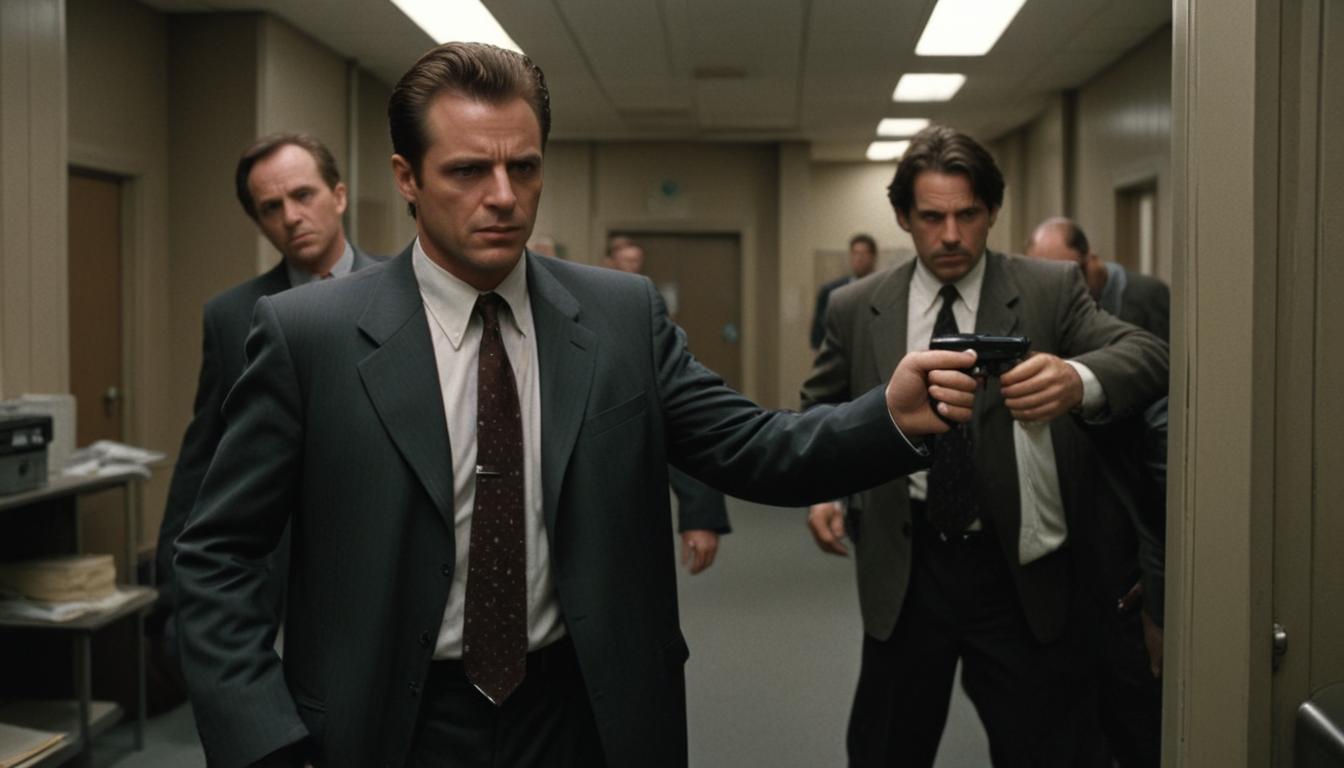
- cinematic masterpieces about crime
- unforgettable heist thrillers
- iconic characters in the criminal underworld
- suspenseful plots that keep you guessing
- timeless classics and modern gems
Crime films often captivate audiences with their ability to delve deep into the dark complexities of human nature, exploring moral ambiguity and the consequences of living on the edge of legality. One cannot discuss cinematic masterpieces about crime without mentioning hits like *The Godfather* by Francis Ford Coppola, a thought-provoking narrative of power, family, and betrayal. This film set the gold standard for how crime stories could be told with operatic gravitas and layered characters. Similarly, *Goodfellas*, directed by Martin Scorsese, is another groundbreaking work that unravels the allure and eventual downfall of a criminal lifestyle, drawing viewers into its gritty and uncompromising portrait of mob life. The visceral intensity coupled with its tight storytelling cements its place as a landmark in thriller cinema.
Not all masterpieces need to revolve around organized crime to leave a gripping impression. *Seven*, directed by David Fincher, ventures into the psychological complexity of crime investigation. Following two detectives hunting a killer inspired by the seven deadly sins, the film combines harrowing imagery with suspense that tightens like a vice. The relentless and haunting tone made it an unforgettable entry in the crime thriller genre. Additionally, films like *Heat* by Michael Mann perfectly bridge the gap between crime films and heist movies, delivering nerve-wracking sequences where themes of duty, loyalty, and obsession collide. It’s a thoughtful exploration of both cops and robbers, whose lives are more intertwined than they care to admit.
One of the unique aspects of cinematic crime masterpieces is how they reflect the era they were created in. Classics like *Chinatown* tap into the corruption and moral decay that defined public consciousness in the 1970s. The film masterfully combines complex storytelling with neo-noir aesthetics, making it a genre-defining piece that continues to inspire. In contrast, modern works such as *The Departed* put a fresh spin on traditional crime tropes, offering plenty of twists, compelling character arcs, and thrilling confrontations that linger with the audience long after the credits roll. From enduring classics to innovative modern interpretations, these films showcase the genre’s wide-reaching impact on thriller cinema.
unforgettable heist thrillers
Heist movies occupy a special corner of thriller cinema, blending meticulous planning, high-stakes tension, and adrenaline-pumping action into unforgettable cinematic experiences. One of the finest examples is Steven Soderbergh’s *Ocean’s Eleven*, a film that combines suave characters, sharp dialogue, and an intricate, flawlessly executed casino robbery. The movie’s charm lies not only in its star-studded cast but also in the clever, twist-filled plot that keeps audiences glued to the screen until the very end. This iconic entry set a new benchmark for heist films, inspiring sequels and countless imitations.
For those who crave something grittier, *Inside Man*, directed by Spike Lee, delivers a riveting blend of crime film artistry and heist ingenuity. The story centers on a seemingly perfect bank robbery executed with surgical precision, only to unravel with surprising depth as secrets and motivations come to light. What sets this film apart is its ability to mix cerebral plotting with emotional tension, leaving viewers questioning who the true villain might be. Similarly, *The Town*, helmed by Ben Affleck, offers an evocative dive into the lives of Boston criminals who pull off daring heists while grappling with loyalty, love, and the inevitability of consequences. It’s a film as much about human connections as it is about expertly staged robberies, earning a rightful place on any heist movie fan’s list.
The genre also leans into relentless tension with works like *Dog Day Afternoon*, a masterclass in character-driven storytelling. Al Pacino’s riveting performance as a desperate man attempting a bank robbery for personal reasons underscores the humanity often entwined with criminal acts. The film masterfully weaves drama and suspense, reminding audiences that not all heists go as planned, and that the fallout can be as compelling as the crime itself. Then, of course, there’s Christopher Nolan’s *Inception*, which fuses the heist formula with sci-fi ambition, crafting a mind-bending film where the stolen goods are dreams and ideas themselves. This innovative take redefined what heist movies could accomplish, pushing narrative boundaries while delivering relentless thrills.
No discussion of heist thrillers would be complete without acknowledging Quentin Tarantino’s *Reservoir Dogs*. This film upends expectations by focusing on the aftermath of a botched robbery instead of the heist itself. Through sharp dialogue, nonlinear storytelling, and deeply flawed characters, Tarantino crafts a claustrophobic and tense exploration of betrayal and trust among criminals. It’s a cornerstone of modern heist cinema, demonstrating the power of subverting conventions to deliver something truly distinctive. Ultimately, heist thrillers captivate us by blending razor-sharp plotting with bold filmmaking, offering a mix of strategy and suspense that defines the best of crime films.
iconic characters in the criminal underworld
Crime films and heist movies are often defined by their unforgettable characters, many of whom operate in the shadowy depths of the criminal underworld. These characters embody everything from ruthless ambition to calculated cunning, leaving an indelible mark on thriller cinema and popular culture as a whole. Tony Montana in *Scarface*, played with explosive intensity by Al Pacino, is the quintessential anti-hero, rising from a Cuban immigrant with nothing to the kingpin of Miami’s cocaine trade. His razor-sharp determination and eventual downfall perfectly illustrate the volatile nature of unchecked power and greed, making him one of the most iconic figures in film history. Similarly, *The Godfather* trilogy’s Michael Corleone, portrayed brilliantly by Pacino as well, is a study in transformation—going from a reluctant outsider to a cold and calculating mafia head whose decisions reverberate through generations.
In Martin Scorsese’s *Goodfellas*, we meet figures like Henry Hill and Tommy DeVito (Joe Pesci), who embody the dualities of the criminal world: camaraderie and chaos. Pesci’s electrifying portrayal of Tommy—a volatile gangster with no regard for human life—delivers some of the most chilling moments, steeped in both tension and dark humor. Meanwhile, *Casino* introduces Sam “Ace” Rothstein and Nicky Santoro, two characters whose partnership is built on trust but shatters under ambition and betrayal. Scorsese’s ability to craft layered crime bosses with vulnerabilities and vices helps these films transcend the genre, offering nuanced portraits of humanity amidst violence.
Expanding the realm of criminal underworld icons, *The Dark Knight* delivers Heath Ledger’s Joker, a completely chaotic force whose criminality is driven more by philosophy than greed. With his anarchic worldview and magnetic unpredictability, the Joker redefined what a crime villain could be in thriller cinema. Similarly, Javier Bardem’s chilling portrayal of Anton Chigurh in *No Country for Old Men* gives us a hitman whose moral compass is dictated by the flip of a coin, blending existential dread with cold efficiency. Bardem’s performance, coupled with the Coen brothers’ masterful direction, creates an unforgettable antagonist who is as terrifying as he is enigmatic.
On the opposite end of the spectrum are heist movie icons, with characters like Danny Ocean from *Ocean’s Eleven* who bring charm and charisma to the criminal profession. George Clooney’s sleek portrayal of a mastermind pulling together a crew of like-minded misfits captures the lighter, more glamorous side of the crime genre. Meanwhile, Robert De Niro’s Neil McCauley in *Heat* is the complete inverse—professional, stoic, and living by an ironclad code. Playing off against Al Pacino’s determined detective Vincent Hanna, De Niro crafts a character whose depth and discipline elevate the film’s exploration of the often-thin line between lawmen and lawbreakers.
Films like *Pulp Fiction* by Quentin Tarantino revolutionized character development in crime stories by giving complex, memorable personalities to every participant in the narrative. Vincent Vega, Jules Winnfield, and Marsellus Wallace, among others, are instantly recognizable personalities whose iconic lines and morally ambiguous actions have left an indelible imprint on thriller cinema. The diner scene alone showcases Tarantino’s talent for blending tension and sharp dialogue, making even the smallest moments riveting. These larger-than-life figures humanize the underworld, offering glimpses into their struggles, quirks, and philosophies that make audiences root for them—even as they break all the rules. From iconic mob bosses to career criminals and chaotic madmen, the criminal underworld continues to serve as a backdrop for some of the most unforgettable characters in film history.
suspenseful plots that keep you guessing
Suspense is the heartbeat of crime films and heist movies, and some of the most gripping entries in thriller cinema excel by keeping audiences on the edge of their seats from start to finish. Unexpected twists, unreliable characters, and elaborate schemes combine to create narratives that leave viewers questioning every revelation and motive. Few films capture this dynamic better than *The Usual Suspects*, a modern classic of deception where nothing is as it seems. Bryan Singer’s neo-noir masterpiece takes viewers on a labyrinthine journey, anchored by an unforgettable interrogation that unravels into one of cinema’s most jaw-dropping final twists. This film exemplifies how storytelling in the crime genre can be elevated through clever misdirection and intricate plotting.
Similarly, David Fincher’s *Gone Girl* delivers a searing exploration of trust and manipulation within a marital relationship, all cloaked in an unpredictable mystery. As layers of deceit peel back, the story morphs from a simple missing-person case into a shocking examination of human behavior and societal rituals. The film expertly builds tension through a combination of haunting visuals, sharp dialogue, and a serpentine structure that guarantees audiences never see what’s coming. It’s a testament to how crime films can merge suspenseful storytelling with complex character studies to elevate the art form.
Another standout in the realm of unpredictable thrillers is Christopher Nolan’s *The Prestige*. While it’s not a crime movie in the traditional sense, the rivalry between two obsessive magicians intertwines with schemes, betrayals, and morally ambiguous choices in ways that mirror the high-stakes plotting of heist films. Every lie and revelation builds to an astonishing conclusion, with Nolan masterfully keeping viewers guessing the entire time. The result is a tense and cerebral experience, proving once again that suspense is a universal cornerstone of great thriller cinema.
Alfred Hitchcock’s *Dial M for Murder* remains a foundational text in suspenseful crime storytelling, predating many modern classics while setting the bar for narrative tension. The film’s confined setting, layered plotting, and morally dubious characters create a suffocating atmosphere where every detail matters. Hitchcock’s mastery of suspense is fully realized here, as he keeps the audience one step ahead of the protagonists while still delivering shocking momentum shifts. In line with his other classics like *Vertigo* and *Rear Window*, this movie has had a lasting influence on generations of crime thrillers that followed.
Twist-filled plotting also defines Bong Joon-ho’s *Parasite*, which seamlessly blends crime and social commentary into a nail-biting thriller. Though its premise begins with a family’s calculated infiltration into a wealthy household, the film escalates into something far darker and more unsettling. Each plot turn deepens the viewer’s investment while simultaneously defying expectations, making it an unforgettable example of suspenseful storytelling. By the time the narrative reaches its shocking climax, Bong has crafted a crime film that transcends genre boundaries, punctuated by moments of raw emotion and moral complexity.
When it comes to suspense, heist movies often deliver a unique form of tension, rooted in the execution of seemingly perfect plans that inevitably unravel. *Rififi*, a French classic, pioneered much of the genre’s standard playbook with its incredible depiction of a silent heist, choreographed to the last detail. This seminal film set the stage for thrillers that focus on the intricate dance between precision and peril, captivating audiences by making every moment feel razor-thin. Following in its footsteps, more contemporary entries like Steven McQueen’s *Widows* layer emotional stakes into the calculated plotting, transforming what could be a straightforward crime story into a masterful tale of desperation, betrayal, and empowerment.
Even animated films have gotten in on the suspense game, with movies like *Fantastic Mr. Fox* introducing a whimsical take on heist narratives. Here, the stakes are heightened not by gun-toting criminals, but by cunning animals trying to outwit their human adversaries. Yet the sincerity and cleverness of the storytelling ensure suspense remains central, offering an accessible entry point into the genre’s tension-filled heart. Regardless of era, location, or medium, suspenseful crime films continue to spellbind audiences, demonstrating the timeless allure of uncertainty and the ever-present possibility of sheer, breathtaking surprise.
timeless classics and modern gems
Some crime films and heist movies have achieved the rare distinction of becoming timeless classics, while others have emerged as modern gems, redefining what the genre can accomplish. These films transcend their time of release and continue to resonate with audiences thanks to their compelling storytelling, unforgettable performances, and groundbreaking approaches to thriller cinema. *The Godfather* is perhaps the most iconic example of a timeless classic. Francis Ford Coppola’s magnum opus captures not only the rise and fall of the Corleone family but also a broader meditation on power, loyalty, and the American Dream. With its unforgettable quotes and masterful performances, including Marlon Brando as Don Vito Corleone and Al Pacino as his heir Michael, it remains a masterpiece that stands as a benchmark for all crime movies.
Another enduring classic is *Bonnie and Clyde*, the 1967 trailblazer that helped usher in the New Hollywood era. Chronicling the tragic romance of two desperate outlaws, the film blurred the lines between heroes and villains, making audiences empathize with anti-heroes like never before. Featuring electrifying chemistry between Warren Beatty and Faye Dunaway, it paved the way for morally complex storytelling and raw, stylized violence in crime films. Its cultural and cinematic legacy still echoes today, inspiring generations of filmmakers and audiences alike.
On the other hand, modern gems like *No Country for Old Men* have brought a new flavor to the crime thriller landscape. The Coen Brothers’ Oscar-winning film combines a stark narrative with existential dread, following a relentless chase for stolen drug money across the desolate Texas landscape. Javier Bardem’s chilling portrayal of Anton Chigurh, an unstoppable force of nature armed with a cattle bolt gun, ranks among the most terrifying villains in thriller cinema. It’s a haunting exploration of morality, fate, and the unstoppable march of time—all wrapped in a gripping crime story that’s as unsettling as it is unforgettable.
Quentin Tarantino’s *Once Upon a Time in Hollywood* serves as another modern gem that reimagines crime cinema. While not a traditional crime film, it’s steeped in the world of murder and criminal intrigue, set against the backdrop of late-1960s Los Angeles. Blending historical fiction with Tarantino’s signature wit and ultraviolence, the film offers a mesmerizing meditation on Hollywood’s golden age and the fleeting nature of fame. The climactic twist provides an audacious “what-if” scenario that turns historical tragedy into a wildly cathartic, subversive crime moment.
Timeless classics like *The French Connection* continue to set the standard for gritty, action-driven crime films. From its infamous car chase sequence to Gene Hackman’s legendary performance as the obsessive Detective Popeye Doyle, the film embodies the relentless pace and moral ambiguity that define the best of crime cinema. Similarly, Stanley Kubrick’s *The Killing* is a noir gem that provides an early blueprint for heist movies, meticulously depicting a methodical racetrack robbery while exploring the human flaws that unravel even the best-laid plans.
Shifting to more recent hits, *Drive* has become a cult classic that blends atmospheric style with minimalist storytelling. Nicolas Winding Refn’s neo-noir thriller, elevated by Ryan Gosling’s enigmatic performance as the stoic getaway driver, reinvents crime drama for the modern age. Its pulsating synth soundtrack and neon-soaked visuals establish a haunting yet romantic tone, making the film stand out as a contemporary masterpiece of thriller cinema. Likewise, *Sicario*, directed by Denis Villeneuve, pushes boundaries with its ruthless examination of the drug war along the U.S.-Mexico border. Its unflinching intensity and complex portrayal of justice in morally gray circumstances make it a thought-provoking addition to the genre.
Timeless classics and modern gems aren’t merely defined by their ability to entertain; they endure because of their profound impact on thriller cinema and their exploration of universal themes. From the tragic descent of Michael Corleone in *The Godfather* to the philosophical menace of Anton Chigurh in *No Country for Old Men*, these films remind us why crime stories continue to capture our imaginations. They are not only a testament to the genre’s evolution but also its limitless potential to reinvent itself anew.
