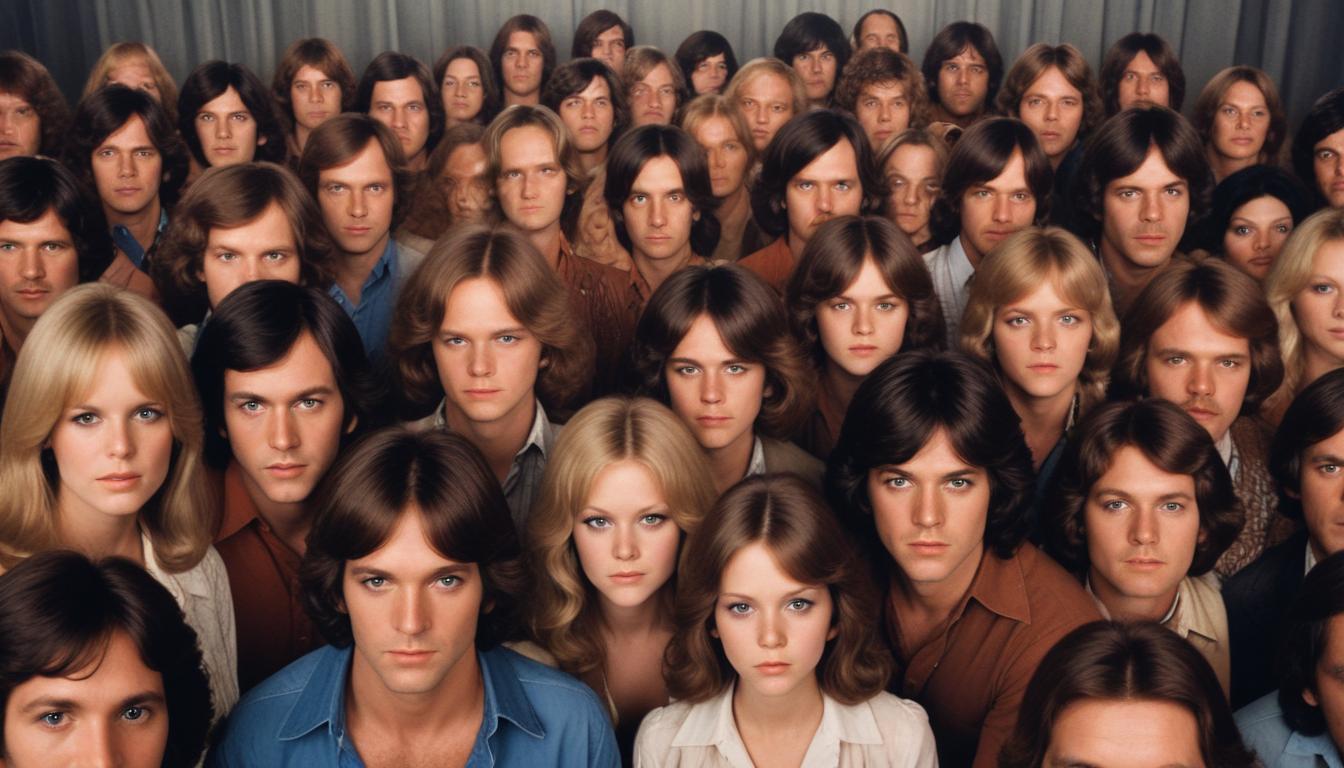
- notable directors of the decade
- iconic genres that defined the era
- memorable performances from the 70s
- soundtracks that shaped cinema history
- lasting cultural impacts of 70s films
The 1970s marked a golden age for filmmaking, with a wave of directors redefining storytelling, pushing creative boundaries, and cementing their legacy in the annals of cinematic history. Directors during this era embraced bold themes and experimental techniques, creating some of the most iconic movies of the 1970s. Among the standout visionaries of the time was Martin Scorsese, whose gritty, character-driven narratives, like “Taxi Driver,” delved into the haunting complexities of urban life. Scorsese’s fearless exploration of flawed, emotionally raw protagonists set him apart as a pioneer of 70s films that mirrored societal unease.
Another titan of this era was Francis Ford Coppola, whose “The Godfather” and its sequel elevated the crime genre to an art form. Coppola’s meticulous attention to detail and sweeping vision of family dynamics amidst organized crime transformed the way audiences perceived storytelling in vintage cinema. The decade also saw the rise of Steven Spielberg, who arguably launched the blockbuster era with “Jaws.” Spielberg’s knack for blending suspense, relatable characters, and groundbreaking special effects made his films standouts in a rapidly evolving industry.
Across the Atlantic, British-American director Stanley Kubrick continued to make waves with works such as “A Clockwork Orange.” Kubrick’s daring approach to controversial subject matter, combined with his trademark precision and atmospheric visuals, demonstrated how experimental storytelling could thrive in mainstream cinema. Meanwhile, George Lucas revolutionized the science fiction genre with “Star Wars,” blending cutting-edge technology with timeless archetypes to create a space epic that redefined popular entertainment and set a benchmark for 70s films in terms of cultural impact.
Other notable creators include Sydney Lumet, who tackled social issues with unnerving honesty in movies like “Network,” and Robert Altman, known for his ensemble casts and improvisational directing style in classics like “Nashville.” Their contributions brought nuance and intensity to the era’s ethos, crafting films that vividly reflected the shifting cultural and political landscapes of the time. Together, these filmmakers forged a legacy that turned the 1970s into a transformative decade for cinema. Their works remain timeless examples of how bold vision and artistic freedom can profoundly shape the world of film.
iconic genres that defined the era
The 1970s was a decade of reinvention for Hollywood, with several iconic genres rising to mainstream prominence and forever altering the cinematic landscape. Among the most influential genres to emerge was the gritty crime drama, defined by its morally ambiguous characters, harsh realism, and unflinching social commentary. Films like Martin Scorsese’s “Taxi Driver” and William Friedkin’s “The French Connection” encapsulated an atmosphere of paranoia and unrest, reflecting the turbulence of the real world. These movies turned urban grit into gripping art, and their raw, intimate style became a hallmark of 70s films, captivating audiences with their authenticity.
Another groundbreaking genre was the psychological thriller, which delved into the human mind with chilling precision. Roman Polanski’s “Chinatown” and Stanley Kubrick’s “A Clockwork Orange” exemplified this trend, offering complex, thought-provoking narratives steeped in suspense and often marked by disturbing imagery. These films pushed boundaries, exploring everything from corruption to psychological decay, reinforcing the decade’s reputation as a period of bold experimentation. Such works weren’t just entertaining but also posed hard-hitting questions about morality and humanity, cementing their place among the iconic movies of the 1970s.
Meanwhile, science fiction gained increasing legitimacy in the 70s, thanks to groundbreaking films like George Lucas’s “Star Wars” and Ridley Scott’s “Alien.” Where earlier sci-fi leaned heavily on kitschy effects and outlandish premises, these movies redefined the genre by incorporating complex characters, innovative visual effects, and layered storytelling. “Star Wars” in particular created an immersive universe that expanded the scope of vintage cinema, setting the stage for the blockbuster culture that prevails today. This rejuvenation of sci-fi wasn’t just popular—it was transformative, proving that fantastical worlds could deliver deeply resonant stories.
Horror also experienced a golden age in the 1970s, transforming into a genre that could profoundly unsettle the audience while telling compelling narratives. Films like “The Exorcist” and “Halloween” tapped into universal fears, blending supernatural elements with visual storytelling and unforgettable scores. These movies not only terrified audiences but also introduced new archetypes and tropes that remain integral to horror cinema to this day. Their success demonstrated that 70s films could evoke intense emotional reactions and still maintain artistic credibility.
Lastly, the rise of the anti-Western reimagined the traditional cowboy tales of yesteryear. Films like “McCabe & Mrs. Miller” and “The Outlaw Josey Wales” presented morally complex characters and subverted the mythos of the heroic lone gunslinger. These stories offered a grittier, more humanistic perspective on frontier life, reflecting the era’s disillusionment with authority and traditional values. By stripping away the romanticism, the anti-Westerns of the 70s became a powerful commentary on a changing society.
The iconic genres that emerged in this era didn’t simply entertain—they challenged audiences to think, to feel, and to see the world in new ways. They remain a cornerstone of vintage cinema, proving that the 1970s was not just a decade of change, but one of perpetual innovation and cultural resonance.
memorable performances from the 70s
The 1970s was a decade bursting with unforgettable on-screen talent, delivering performances that not only defined careers but also cemented some of the most iconic movies of the 1970s in the annals of vintage cinema. This was an era when actors fully immersed themselves into their roles, embodying the social, political, and cultural unease that permeated the time. Amongst the standout performances, Robert De Niro’s turn as Travis Bickle in “Taxi Driver” remains an unparalleled portrayal of loneliness and alienation. De Niro’s meticulous preparation, famously including months spent driving a taxi around New York City, resulted in a raw, visceral performance that perfectly encapsulated the grit and turmoil of 70s films.
Similarly, Marlon Brando’s portrayal of Vito Corleone in “The Godfather” has become legendary, an understated yet commanding performance that transformed a crime boss into a figure of both fear and sympathy. Brando’s use of whispery intonations and his iconic physicality—aided by the cotton balls he famously stuffed into his cheeks—redefined what it meant to inhabit a character. His work earned him an Academy Award and solidified “The Godfather” as one of the truly great cinematic masterpieces of the era.
Another towering achievement was Al Pacino’s evolution as Michael Corleone in both parts of “The Godfather” saga. Pacino’s transformation from a reluctant family outsider to a cold, calculating mob boss captured the moral deterioration and haunting complexities of power. His expressive restraint and the complexity he brought to the role made Michael Corleone one of the most compelling characters in vintage cinema. Pacino would further elevate his reputation with another magnetic performance in “Dog Day Afternoon” as a desperate criminal caught in extraordinary circumstances, showcasing his incredible range and ability to humanize even the most flawed individuals.
Female actors also delivered tour de force performances during this transformative period. Faye Dunaway’s role as the ambitious and ruthless Diana Christensen in “Network” symbolized the cutthroat nature of media and earned her an Academy Award for Best Actress. Her performance was layered and audacious, offering one of the most impactful critiques of the changing cultural tides in the 70s. Sissy Spacek, too, stunned audiences in “Carrie,” embodying the vulnerability and fury of a bullied teenager pushed to the brink. Her transition from timid outcast to a vessel of supernatural vengeance is as chilling as it is heartbreaking, making her one of the most memorable protagonists of 70s films.
Jack Nicholson also emerged as one of the most defining actors of the decade, delivering standout performances in films like “One Flew Over the Cuckoo’s Nest” and “Chinatown.” His take on R.P. McMurphy in “One Flew Over the Cuckoo’s Nest” was both rebellious and endearing, capturing the spirit of individuality in direct defiance of institutional oppression. Winning an Academy Award for the role, Nicholson solidified his reputation as a multifaceted actor capable of blending charm, wit, and rage effortlessly. In “Chinatown,” he embodied the sharp, skeptical private detective J.J. Gittes with a blend of cynical humor and persistent intensity, further enriching the legacy of 70s vintage cinema.
Meanwhile, the decade was home to performances that pioneered new definitions of heroism and villainy. Gene Hackman’s turn as the morally ambiguous detective Jimmy Doyle in “The French Connection” portrayed a flawed, obsessive cop whose views and methods were far from heroic, yet utterly compelling. On the flip side, Meryl Streep began her meteoric ascent with a smaller but memorable role in “The Deer Hunter,” proving with understated brilliance that she would soon redefine excellence in acting.
From method acting to groundbreaking portrayals that challenged societal norms, the 1970s delivered some of the most daring and iconic performances in film history. These actors, deeply immersed in their craft, did more than just entertain; they brought stories to life, leaving a lasting imprint on audiences and turning 70s films into timeless fixtures of vintage cinema.
soundtracks that shaped cinema history
The 1970s was a transformative decade for film music, as soundtracks evolved to become integral components of storytelling rather than mere accompaniments. From orchestral masterpieces to era-defining compilations, the soundscapes of iconic movies of the 1970s not only enhanced the emotional resonance of films but also left an indelible mark on vintage cinema. A perfect example of this evolution can be seen in John Williams’ iconic score for “Star Wars.” With its soaring symphonies and unforgettable leitmotifs, the music of “Star Wars” single-handedly revived the tradition of grand, orchestral film scores. Williams’ compositions created an emotional anchor for George Lucas’s space epic, turning the soundtrack into a cultural touchstone that inspired countless future filmmakers and composers.
Another groundbreaking contribution to 70s films came from Nino Rota’s hauntingly beautiful score for “The Godfather.” Rota’s music shaped the tone of the Corleone saga, blending melancholy, tradition, and an undercurrent of menace that perfectly mirrored the themes of power and family. The mournful trumpet solos and sweeping strings became iconic in their own right, so synonymous with the film’s legacy that they remain instantly recognizable even decades later. It was a soundtrack that elevated the film’s artistry, making it not just a work of cinema but a cultural phenomenon.
Similarly, Bernard Herrmann’s collaboration with Martin Scorsese on “Taxi Driver” exemplified the power of music to evoke mood and psychology. Herrmann’s final score before his death is both eerie and hypnotic, with its use of dissonant strings and jazzy saxophones perfectly underscoring Travis Bickle’s unraveling psyche and the gritty landscape of 1970s New York. The unique fusion of jazz and orchestral arrangements remains a masterclass in how music can deepen a film’s narrative complexity while standing alone as a brilliant piece of art.
On the other hand, 70s films like “Saturday Night Fever” exemplified the rise of soundtracks as cultural sensations, with their music transcending cinema to become iconic in popular culture. The Bee Gees’ disco-driven soundtrack turned “Saturday Night Fever” into more than a movie—it became a movement. With tracks like “Stayin’ Alive” and “Night Fever,” the soundtrack not only amplified the film’s energy but also defined an era, dominating airwaves and reshaping the music industry. It was a phenomenon that proved the commercial and cultural power of movie soundtracks in shaping public tastes and trends.
Films like “American Graffiti” embraced a different approach, using a compilation of pre-existing hits from the 1950s and 60s to create a nostalgic atmosphere that anchored the film’s coming-of-age narrative. George Lucas’s choice of rock-and-roll classics not only served as a time capsule of Americana but also established a blueprint for future filmmakers to use curated music as a storytelling tool. The soundtrack became an essential thread that tied the audience to the characters’ journeys, making it a key player in the film’s enduring charm and status as a piece of vintage cinema.
Horror films of the decade also utilized soundtracks to gripping effect. Mike Oldfield’s “Tubular Bells,” featured in “The Exorcist,” transformed an otherwise instrumental piece into a chilling hallmark of terror. The minimalist piano refrains, combined with unsettling arrangements, created a sense of dread that became synonymous with the film’s legacy. Similarly, John Carpenter’s self-composed, minimalist score for “Halloween” utilized repetition and simplicity to heighten suspense. The eerie, pulsating melody—created on a shoestring budget—would go on to become one of the most iconic film themes in history and an influential force in horror cinema.
The marriage of music and storytelling in the 1970s forever altered how audiences perceived and experienced cinema. From grand orchestras to genre-defining disco anthems, the soundtracks of this decade were pioneering in their ability to evoke emotion, create atmosphere, and enrich the narratives of some of the most iconic movies of the 1970s. Whether through unforgettable symphonies or era-defining pop hits, 70s films and their soundtracks left a profound impact on both the film and music industries, cementing the decade as an unparalleled era of innovation in vintage cinema.
lasting cultural impacts of 70s films
The 1970s was a decade that not only redefined cinema but also left an indelible mark on culture, influencing everything from fashion to politics to the way stories are told on screen. The sheer audacity and innovation of 70s films didn’t just reflect their time—they shaped it, creating ripples that continue to be felt in modern filmmaking and broader society. One of the most profound cultural impacts of this era was the shift toward more complex, morally ambiguous storytelling. Films like “The Godfather” and “Chinatown” abandoned the once-clear divisions between hero and villain, presenting characters that were intricate, flawed, and deeply human. This trend mirrored the societal unease of the time, allowing audiences to grapple with difficult truths about power, corruption, and individual morality. These themes didn’t just entertain—they challenged viewers to think more critically about the world around them, a hallmark of iconic movies of the 1970s.
The changing cultural tides also gave rise to the anti-establishment ethos found in many 70s films, reflecting the widespread disillusionment with authority prevalent in the post-Vietnam and Watergate era. The anti-heroes of this decade, from Travis Bickle in “Taxi Driver” to Randle McMurphy in “One Flew Over the Cuckoo’s Nest,” resonated with audiences who felt alienated or betrayed by traditional institutions. These characters, with their moral complexity and defiance of societal norms, came to symbolize a generation questioning outdated ideals and searching for authenticity in a rapidly shifting world. This rejection of conventional structures and archetypes redefined what vintage cinema could be, breaking free from formulaic storytelling and embracing narratives that were raw, real, and resonant.
Another significant cultural contribution of 70s films was the elevation of genre cinema into serious artistic territory. Science fiction, for instance, went from being a niche category to a mainstream phenomenon with George Lucas’s “Star Wars.” Suddenly, themes of heroism, mythology, and futuristic worlds weren’t just entertainment for particular audiences—they became universal, paving the way for the blockbuster era while demonstrating the vast emotional and commercial potential of “escapist” storytelling. Similarly, horror films like “The Exorcist” and “Halloween” redefined how fear could be evoked on screen and in society, crafting narratives that reflected the growing concerns of the time, from spiritual anxiety to the breakdown of suburban safety. These films didn’t just shift genres; they shifted how audiences consumed movies, blending entertainment with bigger cultural conversations.
The fashion and aesthetic trends seen in iconic movies of the 1970s also found their way into mainstream culture, with the gritty realism of 70s cinema influencing everything from streetwear to interior design. The minimalistic costumes of “Annie Hall,” for instance, sparked a nationwide trend in menswear-inspired women’s fashion, while the disco glam of “Saturday Night Fever” immortalized the era’s nightlife culture. More than just superficial style, these films presented a lens into the priorities, aspirations, and contradictions of the decade, making them time capsules of their sociopolitical landscapes. Through their visual language, 70s films helped define how the era would be remembered—not just as chaotic, but as creatively liberated, diverse, and alive with experimentation.
Finally, the cultural impacts of this era go hand-in-hand with its innovations in representation and inclusivity. While still far from perfect, the decade saw strides toward portraying characters and stories outside the traditional scope of white, male protagonists. Films like “Shaft” and “Claudine” were pivotal for Black representation in mainstream cinema, bringing stories from underrepresented perspectives to broader audiences. These works, while groundbreaking for their time, laid the foundation for future filmmakers to explore a wide range of identities and experiences within vintage cinema. Moreover, the provocative storytelling of the 70s encouraged debates around censorship, freedom of expression, and the role of art in pushing societal boundaries—discussions that remain vital in today’s cultural discourse.
The legacy of 1970s cinema cannot be overstated. It was a time when filmmakers dared to challenge the status quo, both in storytelling and in societal commentary, crafting films that have not only stood the test of time but actively shaped it. Whether through redefining heroes, elevating genre cinema, or reflecting the cultural psyche with unflinching honesty, the iconic movies of the 1970s continue to influence how we see the world—and how the art of filmmaking evolves within it. As a reflection of their era and a cornerstone of vintage cinema, they remain a profound testament to the enduring cultural power of this transformative decade.
